why we check our phones 100+ times a day

We check our phones over a hundred times a day because our brains are wired to seek novelty, connection, and reward—especially when notifications or boredom strike. Yet, the reasons are more complex than just habit; they involve psychology, design, and social context. Understanding why we check our phones can help us create healthier digital routines.
We check our phones over 100 times a day because our brains respond to notifications, boredom, and the promise of new information with a release of dopamine. This cycle forms habits reinforced by app design, social expectations, and the constant availability of our devices, making frequent phone checking hard to resist.
key takeaways
- Phone checking habits are driven by both brain chemistry and intentional app design.
- Notifications, boredom, and social pressures all play a role in why we check our phones.
- Science supports some strategies—like reducing cues and creating friction—but not all advice has strong evidence.
- Tools like Pauza can make mindful phone breaks more engaging and measurable.
what does it mean to 'check your phone'?
Checking your phone usually means unlocking it to glance at notifications, messages, social feeds, or simply to see if something new has happened. This can last a few seconds or turn into longer scrolling sessions.
These checks often feel automatic or even unconscious. They can happen while waiting in line, during a lull in conversation, or as a reflex when we're bored or anxious.
For many people, these quick checks add up to hours each day, even if each individual interaction feels minor. The term covers both purposeful actions (like replying to a text) and mindless scrolling.
how the habit forms: brains, apps, and social cues
Our brains are drawn to novelty and rewards. Each time you check your phone and see a new notification, your brain releases dopamine—a chemical tied to pleasure and learning. This makes you more likely to repeat the behavior.
App designers use this knowledge to keep us engaged. Features like unpredictable rewards (e.g., refreshing a feed for something new), badges, and streaks are designed to create habits.
Social factors matter too. Many people feel pressure to respond quickly to messages, or worry about missing out (FOMO). With 95% of U.S. teens having access to a smartphone, the social expectation to be always available is strong.
Pauza, for example, takes a different approach: it rewards you for time spent away from your phone, nudging habits in a more mindful direction.
- Dopamine spikes from notifications and new content
- App design that rewards repeated checking
- Social norms and fear of missing out
- Boredom or discomfort with stillness

what the evidence says—and where it doesn’t
Research clearly shows that frequent phone use is common: 95% of U.S. teens have access to a smartphone, and nearly half say they are online almost constantly (Pew Research Center, 2024). For adults, the average internet user spends 2 hours and 21 minutes on social media daily (DataReportal, Digital 2025).
Scientists agree that notifications and variable rewards reinforce checking behaviors, but the exact impact on well-being depends greatly on context and individual differences.
Some claims about phone use (like it causing permanent attention loss) are not strongly supported by current research. Evidence does support strategies like turning off non-essential notifications and creating phone-free zones, but not every tip works equally for everyone.
how to check your phone less: practical strategies
If you want to reduce how often you check your phone, start by making the habit less convenient and more intentional. Here are specific techniques:
1. Turn off notifications for non-essential apps: Go to iPhone Settings > Notifications, and disable alerts for anything that isn’t time-sensitive.
2. Move distracting apps off your home screen: Place them in folders or on a secondary page.
3. Set up scheduled 'Do Not Disturb': Use iOS Focus modes to silence alerts during work, meals, or downtime.
4. Track your actual pickups: iPhone Settings > Screen Time > See All Activity shows 'Pickups' to reveal how often you unlock your device.
5. Try a mindful break app: Apps like Pauza reward you for time away and let you build streaks or friendly bets, making breaks feel positive instead of punitive.
A screen time calculator makes those hours concrete, helping you notice patterns and celebrate small wins.
- Turn off non-essential notifications
- Move distracting apps off the home screen
- Set up scheduled 'Do Not Disturb' periods
- Check your daily pickups and screen time
- Try apps or tools that encourage mindful breaks
common myths about phone checking
Not every piece of advice about phone use is backed by strong evidence. Some common myths include:
‘Checking my phone is always bad for me’: Occasional, purposeful use can be helpful or even necessary. The problem is more about compulsiveness and context.
‘I just need more self-control’: While willpower plays a role, design and environment matter just as much. Changing cues and reducing friction is often more effective than relying on pure discipline.
‘Everyone else is better at this’: In reality, almost everyone struggles with phone habits, regardless of age or background.
finding tools and next steps
If you want to experiment with your phone habits, start small and track progress. Use iPhone's built-in Screen Time features or third-party tools to monitor your pickups and set gentle limits.
Apps like Pauza add a layer of motivation by rewarding time away from your phone with tokens, streaks, and friendly challenges—without blocking access or storing your private data off-device. This approach can make the process feel more like a positive experiment than a punishment.
Remember, changing phone habits takes trial and error. Notice which cues trigger your checking and try adjusting your environment or routines one step at a time.
by the numbers
- 95% of U.S. teens have access to a smartphone.— Pew Research Center, 2024
- Nearly half of U.S. teens (46%) say they are online almost constantly — roughly double the share a decade ago.— Pew Research Center, 2024
- The average internet user spends 2 hours and 21 minutes on social media every day.— DataReportal, Digital 2025
Ready to try a healthier rhythm? Download Pauza on your iPhone and turn mindful phone breaks into something positive.
Get Pauza on iPhone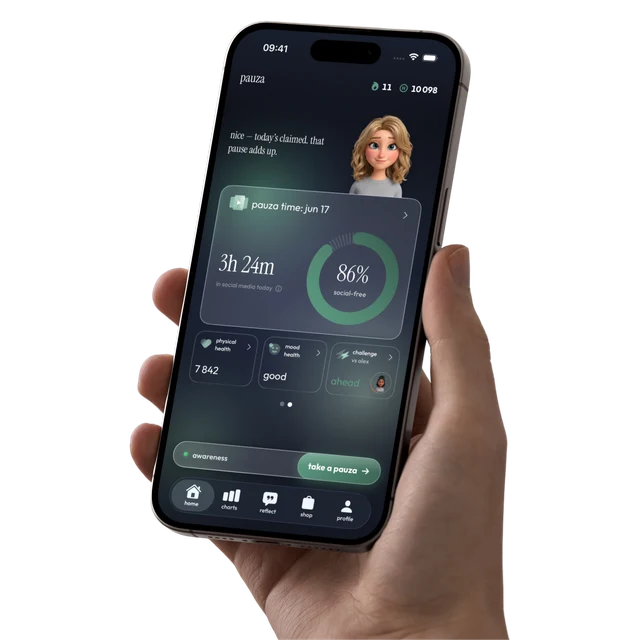
frequently asked questions
How many times do people actually check their phones each day?
Estimates vary, but studies suggest most people check their phones dozens to over a hundred times daily. iPhone users can see their daily 'Pickups' in Settings under Screen Time.
Does turning off notifications really help reduce phone checks?
Yes, research supports that reducing notifications can lower how often you check your phone by removing the main external cue that prompts pickups.
Is checking my phone before bed really that bad?
Using your phone before bed can interfere with sleep, mostly due to blue light exposure and mental stimulation. Many experts recommend putting devices away at least 30 minutes before sleep.
Can apps help me check my phone less?
Yes, certain apps can make mindful breaks more rewarding or track your progress, but their effectiveness depends on your goals and preferences. Tools like Pauza add positive incentives for time away.
Is it possible to quit phone checking entirely?
For most people, quitting completely isn’t realistic or necessary. The goal is to make checking more intentional and reduce compulsive, automatic habits.
How can I measure my progress?
Use iPhone’s Screen Time feature to track pickups, or try a screen time calculator to see your patterns. Small improvements over time are a good sign of progress.
free tools
- screen time calculator — see what your daily hours add up to over a year
- average screen time statistics — how your usage compares to the latest data
- phone habit test — a 2-minute check of your phone habits