what is revenge bedtime procrastination?
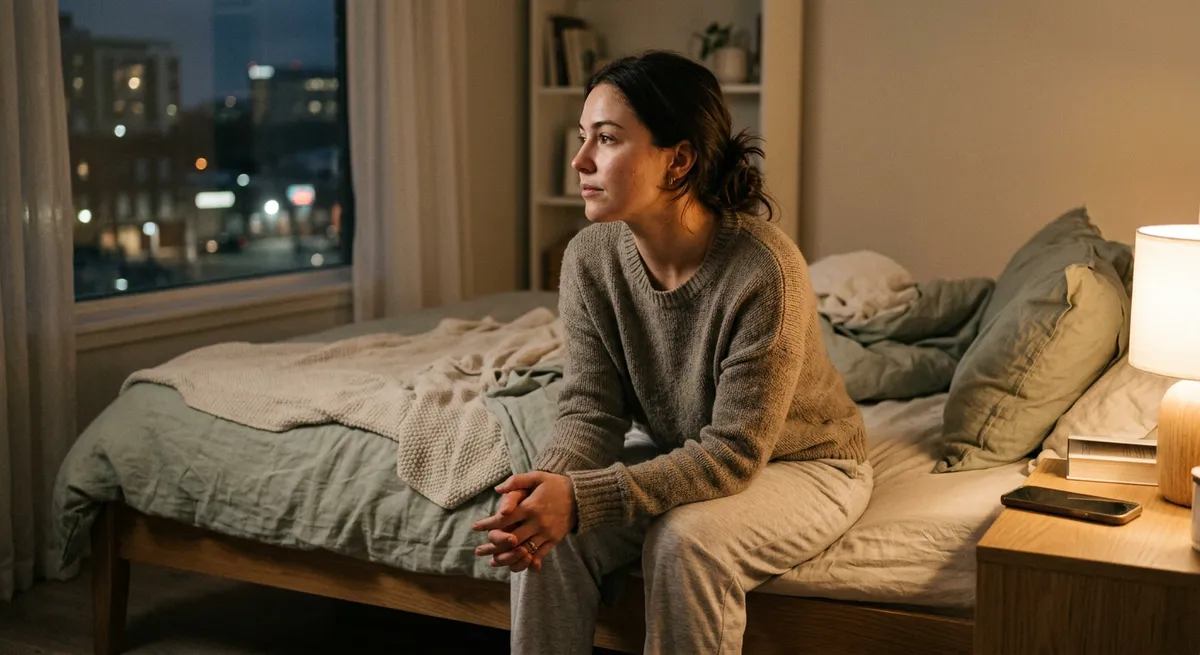
Revenge bedtime procrastination is when people delay going to bed to reclaim personal time lost during the day, often by scrolling on their phones late at night. This behavior is common but not always healthy. It reflects a struggle to balance daily demands with personal downtime, and can impact sleep quality and wellbeing.
Revenge bedtime procrastination is the act of deliberately staying up late, often using devices or social media, as a way to reclaim free time lost to daytime obligations, even when it reduces total sleep. This pattern can affect sleep quality and overall health if it becomes a regular habit.
key takeaways
- Revenge bedtime procrastination is delaying sleep to regain personal time, often by using screens.
- It is linked to feeling overworked or lacking control over one’s day.
- Consistent bedtime procrastination can harm sleep quality and mood.
- Small changes—like using screen time tools—can help break the cycle.
defining revenge bedtime procrastination
Revenge bedtime procrastination describes the habit of staying up late to enjoy personal activities, often at the expense of sleep. The term originated in China, where it resonated with people who felt their daytime was consumed by work or obligations. The 'revenge' refers to taking back time for oneself, even if it leads to tiredness the next day.
This behavior is usually characterized by doing low-effort, enjoyable activities, like scrolling social media, watching videos, or reading online. While it provides short-term pleasure or relaxation, it often results in less sleep and more fatigue.
Pauza and other screen time apps have emerged to help people become more aware of how these choices affect their evenings.
- Staying up late despite feeling tired
- Using devices or social media as a form of unwinding
- Feeling a lack of control over daytime hours
why people procrastinate at bedtime
Many people experience revenge bedtime procrastination because their days are packed with work, school, or family duties, leaving little time for themselves. The evening becomes the only window for personal enjoyment, leading to a conscious or unconscious decision to extend it—even when tired.
Psychologists suggest that this is a way to regain autonomy and personal freedom. The use of screens makes it particularly easy to lose track of time, as apps and endless feeds are designed to keep users engaged.
The average internet user spends 2 hours and 21 minutes on social media every day (DataReportal, Digital 2025), showing just how much digital downtime can accumulate, especially late at night.
- Desire for leisure time after a structured day
- Difficulty setting boundaries with screens
- The temptation of endless online content

what the research says (and doesn’t)
Research on revenge bedtime procrastination is still emerging. Some studies connect it to higher stress, lower self-control, and disrupted sleep, but results are not entirely consistent. While experts agree that chronic sleep loss is harmful, the specific effects of bedtime procrastination—versus other causes of short sleep—are less clear.
What is well-supported: Shorter sleep can impair memory, mood, and health over time. Screen use before bed, particularly with social media, has been linked to longer sleep onset and reduced sleep quality. However, not all screen use is equally disruptive—content type and individual sensitivity matter.
There’s no one-size-fits-all solution, and more research is needed to understand who is most at risk and what interventions work best.
how to break the cycle: practical strategies
If you recognize revenge bedtime procrastination in your habits, small adjustments can make a difference. Start by identifying your main triggers: Is it stress, lack of downtime, or a specific app that keeps you up?
Try setting a consistent bedtime alarm or a 'wind-down' reminder on your iPhone (Settings > Focus > Sleep). Use iOS’s built-in Screen Time limits (Settings > Screen Time > App Limits) to gently curb evening use for tempting apps.
Consider using apps like Pauza, which reward you for time spent away from your phone in the evening and let you track progress without blocking your entire device. These tools can make it easier to notice—and change—late-night habits.
- Set a phone-free bedtime goal (even 15-30 minutes earlier).
- Use built-in iPhone Downtime or App Limits to reduce temptation.
- Replace late scrolling with a calming offline activity (book, journaling, stretching).
- Track your evening screen time to spot patterns.
misunderstandings and common myths
Not all late nights are revenge bedtime procrastination. Sometimes, staying up late is for social plans, urgent work, or occasional relaxation. The key difference is whether you’re delaying sleep on purpose to reclaim time lost to daily obligations.
Another myth: Only people with 'bad self-control' procrastinate at bedtime. In reality, it often reflects a genuine need for downtime, not a personal failing.
Finally, reducing screen use before bed does not guarantee perfect sleep for everyone—factors like stress, health, and environment also play a role.
tools and next steps for healthier nights
Several tools can help you build healthier evening routines. Use iPhone’s Focus modes and 'Wind Down' features to set boundaries. Consider a simple notepad by the bed to jot down worries or to-dos, freeing your mind for sleep.
Apps like Pauza offer a different approach: Instead of blocking, they reward you for putting your phone down, turning time off-screen into tokens and friendly competitions with friends. This can make unplugging feel less like a restriction and more like a positive choice.
Pick one or two strategies to try over the next week and notice how your evenings feel. Even small shifts can help you reclaim rest without giving up all your personal downtime.
- Set up Screen Time or Focus on your iPhone
- Try Pauza for gentle, positive reinforcement
- Create a simple pre-bed routine (no screens needed)
- Reflect on how you use your evenings and adjust as needed
by the numbers
- The average internet user spends 2 hours and 21 minutes on social media every day.— DataReportal, Digital 2025
Ready to transform your evenings? Try Pauza on your iPhone to gently reward yourself for time spent off-screen, and see how it feels to reclaim your nights.
Get Pauza on iPhone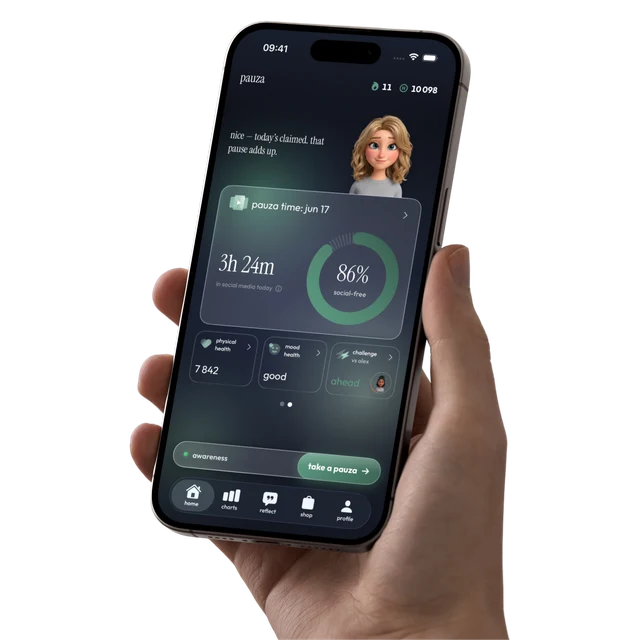
frequently asked questions
is revenge bedtime procrastination a diagnosable disorder?
No, it is not a clinical diagnosis. It is a common pattern of behavior recognized by psychologists, but not a medical condition.
can revenge bedtime procrastination affect my health?
Yes, chronic sleep deprivation—regardless of the cause—can negatively affect mood, memory, and physical health over time.
are screens always the main cause?
Screens are a common trigger because of their engaging content, but any activity that keeps you up late to reclaim time can be part of revenge bedtime procrastination.
what’s the best way to start changing this habit?
Begin by noticing your evening patterns, set gentle limits on screen use, and replace late-night scrolling with relaxing offline activities.
can I still have downtime without harming my sleep?
Yes, finding short, restful activities that don’t overly stimulate your mind or expose you to blue light can help. It’s about balance, not elimination.
do screen time apps really help?
For many people, tools that increase awareness or gently nudge you to put your phone down—like Screen Time or Pauza—can support healthier habits over time.
free tools
- screen time calculator — see what your daily hours add up to over a year
- average screen time statistics — how your usage compares to the latest data
- phone habit test — a 2-minute check of your phone habits