what is a dopamine detox, and does it actually work?

A dopamine detox is a popular method for reducing overstimulation by taking breaks from rewarding activities such as social media, gaming, or streaming. The goal is to reset your brain’s reward system and regain control over impulsive digital habits. But does a dopamine detox actually work, or is it just a buzzword? Here’s what the science—and practical experience—actually say.
A dopamine detox is a short-term break from highly stimulating activities like social media, gaming, or junk food, intended to reduce overstimulation and help you regain control over impulsive habits. It doesn’t remove dopamine but encourages more mindful, intentional use of technology and rewarding behaviors.
key takeaways
- A dopamine detox means taking a break from activities that trigger instant gratification, especially digital ones.
- There’s no scientific proof you can 'reset' dopamine levels, but breaks from screens can support healthier habits.
- Practical steps, like using iPhone’s Screen Time and apps like Pauza, make a detox more manageable.
- Most experts recommend moderation rather than extreme abstinence for lasting results.
defining the dopamine detox
The term 'dopamine detox' refers to purposely avoiding activities that provide quick hits of pleasure—like social media, gaming, or junk food—for a set period. The idea is to reduce overstimulation and help people regain sensitivity to everyday, less stimulating rewards.
Despite the name, a dopamine detox doesn’t actually remove dopamine from your brain. Dopamine is a natural neurotransmitter involved in motivation and pleasure; you can’t 'flush' it out. Instead, the detox is about changing your relationship to rewarding behaviors, especially those driven by screens or notifications.
Many people try a dopamine detox by unplugging from their phones for a day or weekend. Apps like Pauza reward you for time away from your device, offering a structured way to track your effort without needing to go cold turkey.
the science: what dopamine does (and doesn’t do)
Dopamine is a neurotransmitter associated with motivation, learning, and pleasure—not just with addiction or bad habits. When you scroll through social media or binge-watch videos, you get small bursts of dopamine, reinforcing those behaviors.
However, the brain doesn’t get 'overloaded' with dopamine in a way that can be reset by a short break. Current neuroscience shows that while reducing exposure to hyper-stimulating activities can help you notice subtler rewards, there’s no evidence that abstaining for a day or two fundamentally changes your brain chemistry.
That doesn’t mean breaks are pointless. Stepping away from habitual digital use can help you reflect on your behavior, notice urges, and re-evaluate what you value spending time on. This mindful reset is the true benefit behind the dopamine detox approach.

why digital overload is a real problem
Digital devices and social platforms are designed to grab your attention and keep you coming back. The average internet user spends 2 hours and 21 minutes on social media every day, according to DataReportal. This constant stimulation can make it harder to focus on less immediately rewarding activities, like reading a book or simply relaxing.
For teens, the effect is even more pronounced. Nearly half of U.S. teens (46%) say they are online almost constantly. Many people report feeling drained or distracted after extended periods online, which is a sign it might be time to take a step back.
A dopamine detox isn’t a cure-all, but it can be a helpful experiment if you feel digital habits are crowding out other parts of your life.
- Persistent distraction or inability to focus offline
- Feeling anxious or restless without your phone
- Neglecting hobbies, relationships, or sleep
- Difficulty enjoying activities that aren’t digital
how to try a dopamine detox on your iphone
Trying a dopamine detox doesn’t mean you need to lock your phone away for days. Start with a specific commitment—such as one afternoon, or a weekend day—where you avoid social media, streaming, and non-essential browsing. Let friends or family know, so they can support your effort.
Use iPhone’s built-in Screen Time controls to set Downtime (Settings > Screen Time > Downtime). You can schedule periods where only calls and essential apps are allowed. For a more social approach, apps like Pauza let you track time off your phone and turn it into tokens or friendly bets with others.
Prepare for your detox by planning alternative activities, like going for a walk, cooking, or reading. The goal is not just to endure boredom, but to rediscover satisfaction in low-stimulation experiences.
- Decide how long you’ll unplug and which activities to avoid.
- Set up Downtime in iPhone settings (Settings > Screen Time > Downtime).
- Let others know and plan offline activities in advance.
- Track your progress—use apps like Pauza for extra motivation.
- Reflect afterward on what you noticed, felt, and learned.
common myths and what actually helps
There are several misconceptions about dopamine detoxes. One is that you can 'reset' your brain chemistry with a single day offline. In reality, the brain’s reward system is complex, and healthy habits are built gradually over time.
Another myth is that you need to avoid all pleasure, including reading, listening to music, or talking with friends. Most experts suggest a balanced approach—focus on limiting compulsive, high-stimulation behaviors, not cutting out all sources of enjoyment.
What works best for most people is finding a routine that includes regular breaks, mindful phone use, and real-world activities. Experiment with different levels of digital restriction and see what helps you feel more present.
tools and strategies for a realistic reset
A successful dopamine detox isn’t about perfection—it’s about noticing your habits and making small, intentional changes. Consider combining digital tools with practical routines. For example, schedule one 'phone-free' hour each evening, or keep your device in another room during meals.
Apps like Pauza help turn this process into a positive challenge. On iPhone, Pauza rewards you with in-app tokens for every minute away from social media, helps you build streaks, and lets you challenge friends to see who can scroll less. Because tokens have no cash value, it’s a healthy way to gamify your break without real stakes.
Ultimately, the most effective approach is one you can sustain. Build up gradually, and don’t be discouraged by slip-ups—progress is about consistency, not extremes.
- Set Screen Time limits for distracting apps
- Designate device-free zones or times in your home
- Replace digital habits with offline alternatives (like walking or journaling)
- Reflect regularly on your digital wellbeing and adjust as needed
by the numbers
- The average internet user spends 2 hours and 21 minutes on social media every day.— DataReportal, Digital 2025
- Nearly half of U.S. teens (46%) say they are online almost constantly — roughly double the share a decade ago.— Pew Research Center, 2024
If you’re curious to see how time off your phone feels, try Pauza for iPhone and turn your breaks into a positive daily habit.
Get Pauza on iPhone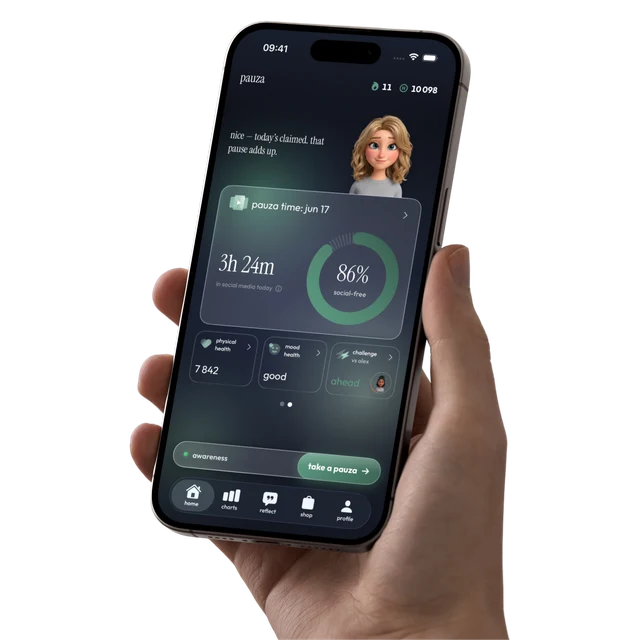
frequently asked questions
what exactly happens during a dopamine detox?
You avoid activities that provide quick dopamine hits—like social media, streaming, or gaming—for a set period, focusing instead on less stimulating, offline alternatives.
can a dopamine detox really 'reset' my brain?
There’s no scientific proof you can reset your brain’s dopamine system in a day or two. However, taking breaks can help you notice your habits and regain control over your time.
how long should a dopamine detox last?
There’s no set rule. Many people start with a few hours or a single day. The most important thing is to choose a length that feels challenging but achievable for you.
do I have to avoid all fun activities?
No. Most experts recommend focusing on digital activities that tend to be compulsive or distracting, not cutting out all enjoyable experiences.
can I use technology to help with a dopamine detox?
Yes. Tools like iPhone’s Screen Time and apps like Pauza can help you set boundaries, track progress, and stay motivated.
is a dopamine detox safe for everyone?
For most people, taking a break from digital stimulation is safe and beneficial. If you have underlying mental health concerns, consult a professional before making drastic changes.
free tools
- screen time calculator — see what your daily hours add up to over a year
- average screen time statistics — how your usage compares to the latest data
- phone habit test — a 2-minute check of your phone habits