how to quit mindless Instagram scrolling

To quit mindless Instagram scrolling, you need more than just willpower. It involves understanding your triggers, setting up your device to reduce temptation, and building daily habits that replace passive scrolling with intentional activity. Anyone can start, but it takes honest reflection and practical tools to make the change stick.
To quit Instagram scrolling, identify your personal triggers, adjust your iPhone notifications and app layout to reduce temptation, and replace the habit with intentional activities. Use built-in screen time tools and supportive apps to track your progress and stay accountable. Sustainable change comes from consistent daily effort.
key takeaways
- Disrupting physical and digital cues is key to breaking scrolling habits.
- Customizing notifications and app layout reduces temptation on your iPhone.
- Replacing scrolling with specific activities helps fill the attention gap.
- Accountability tools and gentle reminders can reinforce your commitment.
why instagram scrolling feels irresistible
Mindless Instagram scrolling is designed to be compelling. The app's infinite feed, unpredictable content, and subtle notifications all trigger dopamine releases that make it difficult to stop. These design choices are intentional, leveraging our brain’s reward system to keep us engaged.
Most people don’t plan to spend so much time on Instagram; instead, brief check-ins turn into long sessions. According to DataReportal, the average internet user spends 2 hours and 21 minutes on social media each day. This is often due to a combination of boredom, habit, and the platform’s addictive features.
Recognizing that this urge is partly engineered can help remove self-blame. By understanding the mechanisms at play, you can approach quitting Instagram scrolling with self-compassion and a clearer strategy.
- Endless feed design encourages prolonged use.
- Push notifications prompt impulsive engagement.
- Personal triggers (boredom, stress, procrastination) play a significant role.
pinpoint the triggers behind your scrolling
Before you can quit Instagram scrolling, it’s important to identify what prompts you to reach for the app. Triggers can be internal, like stress or loneliness, or external, such as a notification or seeing someone else scroll.
Keep a simple note for a few days: what time did you start scrolling, what were you doing just before, and how did you feel? Patterns often emerge—maybe you scroll during work breaks, when avoiding a task, or right before bed.
Once you know your triggers, you can plan specific strategies to interrupt the habit. For example, if notifications are a cue, muting them is a direct solution. If boredom is the cause, having a list of alternative activities ready can help.

set up your iphone to reduce temptation
Your iPhone’s default settings make Instagram easily accessible, but small changes can greatly reduce the urge to open the app. Start by moving Instagram off your home screen or into a folder several swipes away. This physical barrier adds just enough friction to interrupt autopilot.
Disable Instagram notifications by navigating to Settings > Notifications > Instagram and toggling off 'Allow Notifications.' This prevents the app from prompting you back every time someone likes or comments.
Take advantage of Apple’s built-in Screen Time controls: go to Settings > Screen Time > App Limits, and set a daily limit for Instagram. To avoid easy overrides, use a custom passcode that only a trusted friend knows. Apps like Pauza can also support your efforts by rewarding time spent away from social media, making the process feel more positive.
- Move Instagram off your main home screen.
- Disable all Instagram notifications in Settings.
- Set daily app limits using Screen Time.
- Consider apps that encourage staying off social media.
replace scrolling with intentional alternatives
Quitting mindless Instagram scrolling leaves a gap in your routine. Without a plan, you may simply swap one app for another. Instead, identify specific, enjoyable activities that you can do in those moments—reading a short article, stretching, sending a voice note to a friend, or stepping outside for fresh air.
Keep replacements easy and accessible. For example, put a book or puzzle by your bed if you tend to scroll at night. If you usually scroll during breaks, try a five-minute walk or a breathing exercise instead.
Replacing scrolling works best if the new activity is genuinely rewarding. If you’re not sure what fits, experiment for a week and notice which alternatives help you feel more refreshed or satisfied.
stay accountable and track your progress
Changing a habit is easier with accountability. Tell a friend or partner about your intention to quit Instagram scrolling. If you’re comfortable, ask them to check in with you after a few days or share your progress.
On your iPhone, review your Screen Time stats weekly (Settings > Screen Time > See All Activity). Note any trends—are your Instagram minutes dropping, or do you find yourself switching to other social apps instead? Honest tracking helps you spot real changes and adjust as needed.
Apps like Pauza for iPhone offer a different approach: they reward you for every minute away from social media with in-app tokens and let you build streaks or friendly bets with others. Because Pauza keeps your usage data on your device and does not offer cash rewards, it’s a mindful, privacy-conscious way to support your goals.
handle setbacks and make quitting stick
Breaking the Instagram scrolling habit isn’t always a straight path. Expect occasional setbacks—what matters is returning to your intention, not aiming for perfection. If you slip up, review what triggered it and what you can adjust next time.
Consider building in small rewards for your progress, but keep them unrelated to screen time. For example, after a week of reduced scrolling, treat yourself to a favorite meal or a new book. This reinforces that effort, not just outcomes, are worth celebrating.
Over time, your urge to scroll will likely lessen as your brain gets used to new routines. Be patient and compassionate with yourself; sustainable change happens gradually, not overnight.
by the numbers
- The average internet user spends 2 hours and 21 minutes on social media every day.— DataReportal, Digital 2025
If you’re ready to take a mindful break from Instagram scrolling, try Pauza on your iPhone and see how rewarding intentional time offline can feel.
Get Pauza on iPhone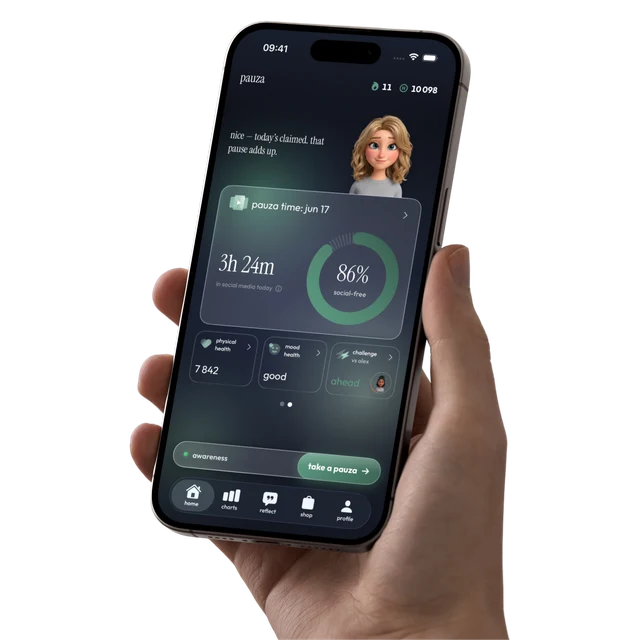
frequently asked questions
What makes Instagram so addictive to scroll?
Instagram uses design features like infinite scrolling, unpredictable content, and frequent notifications that trigger dopamine responses in your brain, making it hard to stop.
How can I stop opening Instagram automatically?
Move the app off your home screen, disable notifications, and add friction to accessing it. This can interrupt the automatic habit and make you more aware of your choices.
Will deleting Instagram help me quit scrolling?
Deleting the app can be effective for some, but many people benefit more from reducing use gradually and replacing the habit with intentional activities. Choose what feels most sustainable for you.
What if I use Instagram for work or staying connected?
Set specific times to check Instagram for work or social reasons, and stick to these windows. Use app limits to help keep usage intentional rather than mindless.
Are there tools to help me quit Instagram scrolling?
Yes, iPhone’s Screen Time settings and third-party apps like Pauza can help limit usage, track your off-screen time, and provide gentle accountability.
How long does it take to break the scrolling habit?
There’s no universal timeframe—some people notice changes in a week, while others take longer. Focus on consistency rather than speed, and allow yourself room to adapt.
free tools
- screen time calculator — see what your daily hours add up to over a year
- average screen time statistics — how your usage compares to the latest data
- phone habit test — a 2-minute check of your phone habits