phone addiction vs a bad habit: how to tell the difference

Phone addiction and a bad phone habit are not the same thing—though they can look similar in daily life. Addiction involves loss of control and negative impact, while habits are repetitive behaviors that may not disrupt your life. The difference matters for how you approach change.
The difference between phone addiction and a bad habit is that addiction involves a loss of control, persistent use despite harm, and withdrawal symptoms, whereas a habit is a repeated behavior that may be automatic but doesn't severely disrupt daily functioning or well-being.
key takeaways
- Addiction is marked by loss of control and harm; a habit may be disruptive but is more easily changed.
- Most people overuse phones due to habit, not true addiction.
- Clear signs of addiction include withdrawal, neglect of responsibilities, and failed attempts to cut back.
- Practical tools and honest reflection can help you understand your own phone use.
defining phone addiction vs habit
Phone addiction and a bad habit feel similar, but clinically, they're different. Addiction is a behavioral disorder where someone can't control their phone use, keeps using it despite negative consequences, and may feel anxious or irritable when they stop. In contrast, a habit is a regular, often automatic, behavior—like checking your phone after waking up—that's not always harmful or hard to change.
Most people’s excessive phone use is habitual rather than truly addictive. Recognizing which applies to you is key for choosing the right strategies.
Apps like Pauza can help you track your patterns, making it easier to spot the difference.
how phone addiction and habits actually work in the brain
Both habits and addictions rely on reward pathways in the brain, but they operate differently. Habits form through repetition: each time you scroll social media when bored, your brain links that cue with a reward, making the behavior automatic over time. This is called a 'cue-routine-reward' loop.
Addiction goes a step further. It involves changes in brain chemistry, especially in dopamine pathways, making the urge to use your phone feel almost compulsory. You may crave the activity, struggle to stop, and experience discomfort or distress when you try.
While you can break most habits with some effort and planning, addiction may require more support and even professional help.
- Habits: automatic, formed by repetition, often easy to change with new routines.
- Addiction: compulsive, involves cravings and withdrawal, disrupts other areas of life.

what the evidence does and doesn't support
Research on phone addiction is still evolving. While 'internet addiction' and 'gaming disorder' are recognized in some diagnostic manuals, 'phone addiction' is not formally classified as a clinical disorder in the DSM-5 (the main psychiatric guidebook).
However, evidence shows that some people do experience symptoms very similar to other behavioral addictions—including withdrawal, failed attempts to cut back, and social or academic problems. For most people, though, phone overuse is better described as a habit.
For example, DataReportal reports the average internet user spends 2 hours and 21 minutes on social media every day, but this doesn't mean all are addicted—context and impact matter.
- Solid evidence: Phone use can become compulsive for a small subset of users.
- Uncertain: Whether most heavy users meet criteria for addiction.
- Not supported: That everyone with high screen time is addicted.
how to tell the difference in your own life
To understand if your phone use is an addiction or just a habit, look for specific warning signs. Ask yourself:
Do you feel anxious, irritable, or restless when you can't use your phone? Have you tried to cut back and failed repeatedly? Is your phone use causing problems at work, school, or in relationships?
If you answer yes to these, addiction may be a concern. Otherwise, you likely have a habit that can be changed with some structure and intention. A screen time calculator makes those hours concrete, helping you see patterns and identify what needs to change.
- Track your actual daily screen time (see iPhone Settings > Screen Time).
- Reflect on how you feel when separated from your phone.
- Notice if phone use disrupts sleep, work, or relationships.
- Try intentional breaks; see if it feels uncomfortable or just unusual.
common misunderstandings about phone addiction
It's easy to mistake boredom or habit for addiction. Not every moment spent on your phone is harmful—context, purpose, and control matter. High usage doesn't equal addiction unless it causes distress or dysfunction.
Another myth: that quitting cold turkey is always necessary. For most, gradual changes, boundaries, and mindful use are enough.
Finally, remember that social norms are shifting—nearly half of U.S. teens say they are online almost constantly (Pew Research Center, 2024), but not all are addicted.
tools and next steps for changing phone habits
If you recognize a habit—or even early signs of addiction—the next step is to build awareness and add friction to your phone routines. Use built-in iPhone features: go to Settings > Screen Time to set app limits, downtime, or track usage trends. Small changes, like moving tempting apps off your home screen, make a difference.
Apps like Pauza offer a different approach: instead of blocking, they reward you for time spent away from your phone, build streaks, and let you challenge friends to use your phone less. Tokens are a way to visualize progress, not a form of gambling or cash reward.
If you believe addiction is present and self-help isn’t enough, reach out for professional support. Many therapists now address tech-related compulsions.
- Use iPhone’s built-in Screen Time tools.
- Try a behavioral app that rewards phone-free time.
- Schedule device-free periods each day.
- Seek help if phone use feels truly out of control.
by the numbers
- The average internet user spends 2 hours and 21 minutes on social media every day.— DataReportal, Digital 2025
- Nearly half of U.S. teens (46%) say they are online almost constantly — roughly double the share a decade ago.— Pew Research Center, 2024
Ready to build healthier phone habits? Try Pauza on your iPhone and see your progress in a new way.
Get Pauza on iPhone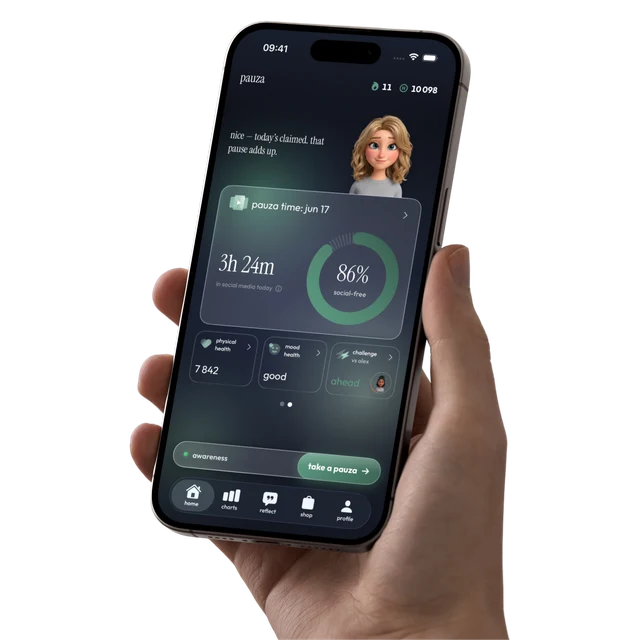
frequently asked questions
What are clear signs of phone addiction?
Signs include feeling anxious or irritable without your phone, repeated failed attempts to cut back, and phone use interfering with work, school, or relationships.
Can a habit become an addiction?
Yes, a habit can shift into addiction if it becomes compulsive, leads to distress or harm, and you lose control over the behavior.
Are most people addicted to their phones?
No. Most people have habits that may be excessive but do not meet the criteria for addiction. True addiction is less common and involves loss of control and negative impact.
How do I track my phone usage?
On iPhone, go to Settings > Screen Time to see daily and weekly usage. Monitoring these numbers helps you understand your patterns and make changes.
Does reducing phone use improve well-being?
Many people report feeling less stressed and more focused after cutting back, but individual results vary. The key is to find a balance that works for you.
What if I can’t cut back on my own?
If self-help tools and small changes aren’t enough, consider speaking to a mental health professional, especially if phone use is harming your daily life.
free tools
- screen time calculator — see what your daily hours add up to over a year
- average screen time statistics — how your usage compares to the latest data
- phone habit test — a 2-minute check of your phone habits