why screen time blockers don't work — and what does

Screen time blockers often fail because they focus on restricting access, not changing habits. For real progress, we need approaches that address why we reach for our phones in the first place. This article explains why screen time blockers don’t work and shares practical alternatives that lead to healthier digital habits.
Screen time blockers don't work because they focus on restricting access rather than addressing the underlying habits and triggers that drive phone overuse. People often bypass or ignore these restrictions, so building awareness, setting achievable goals, and using positive reinforcement are more effective for creating lasting change in screen time habits.
key takeaways
- Blockers don't address the underlying reasons for phone overuse.
- Building awareness and self-motivation leads to more lasting change.
- Reward-based and social strategies can encourage mindful phone use.
- Small, gradual adjustments are more effective than abrupt restrictions.
the limits of screen time blockers
Many people turn to screen time blockers hoping for a quick fix, but these tools rarely deliver lasting results. The main issue is that blockers only restrict access to certain apps or websites, rather than addressing the habits behind phone overuse. Most users quickly learn to bypass or disable these controls, especially if their motivation to change is low.
Research shows that simply blocking access can trigger frustration or the urge to find workarounds, rather than fostering genuine self-control. For example, Apple's Screen Time feature is easily overridden with a passcode or by changing device settings. People often end up ignoring the app limits altogether.
Instead of focusing solely on restriction, it's important to understand the underlying triggers and routines that lead to excess screen time. Apps like Pauza, which reward time away instead of just blocking, can support this process with a more positive approach.
why we reach for our phones
Understanding why screen time blockers don't work starts with looking at the reasons behind our phone use. Many of us reach for our devices out of habit, boredom, or to relieve stress. According to DataReportal (Digital 2025), the average internet user spends 2 hours and 21 minutes on social media every day, which highlights how deeply ingrained these routines have become.
Notifications, endless feeds, and the design of many apps are engineered to capture and hold our attention. Over time, this can make mindless scrolling a default behavior during any spare moment. Blockers may temporarily disrupt this, but they don't teach us how to break the habit or find alternative ways to spend our time.
To create lasting change, it's important to replace phone use with more meaningful activities. This means identifying your personal triggers and planning ahead for moments when you're most likely to reach for your device.
- Boredom or downtime
- Stress or anxiety
- Desire for connection
- Avoidance of tasks

building awareness instead of relying on restrictions
Lasting change begins with awareness. Before you can reduce your screen time, you need to know when and why you’re using your phone. Many iPhones track your daily and weekly usage: go to Settings > Screen Time to see detailed reports.
Reviewing this data can help you notice patterns—like which apps you use most and at what times. Awareness fosters accountability, making it easier to set realistic goals for cutting back. Instead of imposing strict limits, try observing your habits and reflecting on how they make you feel.
Apps with a focus on reflection and positive reinforcement, such as Pauza, can gently encourage you to spend more time away from your screen, rather than enforcing hard rules.
practical steps to reduce screen time on iphone
If you want to cut back, start with small, specific actions. Abruptly blocking everything rarely lasts. Instead, use the following steps to create a plan that fits your lifestyle.
First, identify your main distractions. Then, set achievable goals—like reducing social media use by 15 minutes per day. Use built-in features like Focus mode (Settings > Focus), which silences notifications during chosen periods, or Schedule Downtime (Settings > Screen Time > Downtime) to limit access to apps at certain hours.
Consider placing your phone out of reach during work or meals, or switching to grayscale mode (Settings > Accessibility > Display & Text Size > Color Filters) to make your screen less visually enticing.
- Check your usage in Settings > Screen Time.
- Set Focus modes for work, sleep, or personal time.
- Schedule Downtime to restrict apps during chosen hours.
- Move distracting apps off your home screen.
- Try grayscale mode to reduce visual appeal.
the power of rewards and social accountability
Positive reinforcement and accountability can be much more effective than simple blocking. Rewarding yourself for time spent away from your phone builds motivation and helps new habits stick. Social accountability—like sharing goals with friends or engaging in friendly competition—adds another layer of commitment.
Pauza, for example, turns minutes off your phone into in-app tokens, encourages streaks, and lets you make friendly bets with others to see who can keep screen time lowest. This approach shifts the focus from restriction to reward and community, making mindful use more enjoyable.
If you prefer not to use an app, consider setting up your own rewards system or checking in regularly with a friend about your progress.
making gradual, sustainable change
Sudden, drastic changes to your screen habits are rarely sustainable. It's more effective to make small adjustments over time. For example, try reducing your most-used app by 10% each week, or pick one activity—like meals or bedtime—to make phone-free.
Building new habits takes patience, but even modest changes add up. Remember, the goal is to create a balanced relationship with your device, not to eliminate screens altogether. Track your progress and celebrate small wins along the way.
Over time, these gradual changes can help you regain control and make your phone a tool that works for you, rather than a source of distraction.
by the numbers
- The average internet user spends 2 hours and 21 minutes on social media every day.— DataReportal, Digital 2025
Ready to try a new approach? Download Pauza on your iPhone and start building healthier screen habits today.
Get Pauza on iPhone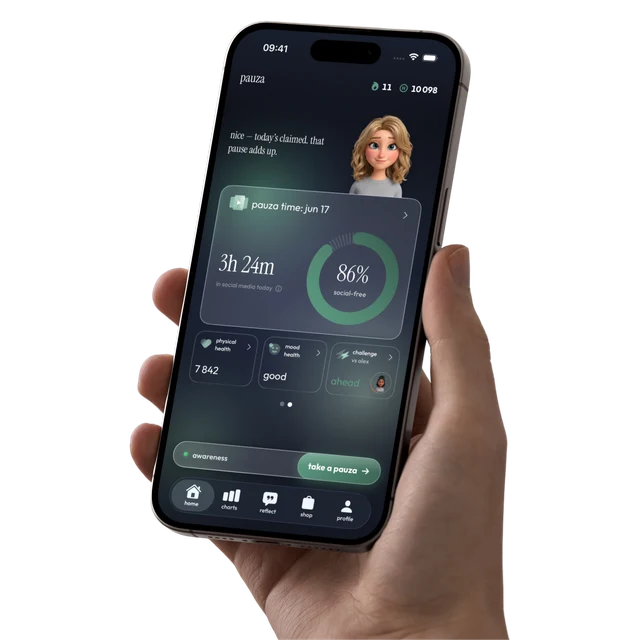
frequently asked questions
Why don’t screen time blockers work for most people?
Blockers only restrict access and can be easily bypassed. They don't address the habits or motivations that cause phone overuse.
What are better alternatives to screen time blocking?
Awareness, positive reinforcement, setting small goals, and involving friends or rewards are more effective for lasting change.
How can I use my iPhone settings to reduce screen time?
Use Screen Time reports, Focus modes, Downtime, and move distracting apps off your home screen for practical, gradual reduction.
Can rewards help me use my phone less?
Yes. Rewarding time away from your phone, either through apps or self-set goals, can boost motivation and make new habits stick.
Is it possible to reduce screen time without blocking apps?
Absolutely. Focus on building awareness, making gradual changes, and using social or reward-based strategies for more sustainable results.
What is Pauza and how does it differ from blockers?
Pauza is an iPhone app that rewards you for time spent off your phone, using tokens and social features instead of just blocking access.
free tools
- screen time calculator — see what your daily hours add up to over a year
- average screen time statistics — how your usage compares to the latest data
- phone habit test — a 2-minute check of your phone habits