ios screen time vs third-party apps: which should you use?

iOS Screen Time offers built-in tools to monitor and limit phone use, but third-party apps give extra features and flexibility. Choosing between them depends on your goals, privacy concerns, and how much support you want for changing habits. Here’s how they compare—and when each is the better fit.
iOS Screen Time is Apple’s built-in tool for tracking and limiting device use, while third-party apps offer additional features like social challenges, rewards, or detailed analytics. The best choice depends on your need for customization, motivation tools, and privacy preferences—each option has strengths and limitations.
key takeaways
- iOS Screen Time is simple to use and best for basic tracking and limits.
- Third-party apps add features like social challenges, rewards, and deeper insights.
- Privacy and data handling differ; know where your usage data is stored.
- Choosing the right tool depends on your goals—not every approach fits everyone.
what ios screen time does well—and where it stops
iOS Screen Time is built directly into iPhones running iOS 12 or later. It lets you see detailed stats about your daily and weekly device use, set app limits, and create downtime schedules. For families, you can also set controls for children’s devices through Family Sharing.
Screen Time’s strengths are its simplicity and integration. You can access it from Settings > Screen Time, and it works across all your Apple devices signed into the same iCloud account. There’s no setup needed, and your usage data stays on your device or in your iCloud account.
However, Screen Time is limited in customization. All restrictions apply at the device level, and bypassing them can be as simple as entering a passcode. It also lacks features to actively encourage change—no rewards, social accountability, or interactive challenges.
how third-party apps go beyond basic tracking
Third-party screen time apps offer more than just numbers. They can provide motivational tools, social features, and detailed analytics to help you change your habits for good. Many allow you to set more flexible limits, block content in creative ways, or reward yourself for staying off your phone.
Some apps, like Pauza, turn time away from your device into tokens or let you challenge friends to see who can reduce screen time most. Others focus on mindfulness, scheduling, or even gamifying your progress. These features can make it easier to notice patterns and stick with new habits.
Before choosing a third-party app, consider how it handles your data. Look for apps, such as Pauza, that keep your raw usage data on your device and are clear about privacy. Not all apps offer the same level of transparency or security.

privacy, data, and control: what to consider
One crucial difference between iOS Screen Time vs apps from other developers is how your data is handled. Apple’s solution keeps most data within your device or iCloud, and is subject to Apple’s privacy policies. You control what’s shared, and no third-party access is needed for basic features.
Third-party apps vary. Some require access to device usage information or notification permissions, and a few may send anonymized data to their servers for analytics or syncing. Always check the app’s privacy policy before installing. If privacy is a top concern, choose apps that process everything locally and do not ask for unnecessary permissions.
For example, Pauza stores usage data on your device, reducing external exposure. This is important if you want the benefits of motivational tools without sacrificing control over your information.
which works better for real habit change?
Tracking alone isn’t always enough to shift digital habits. Many people open Screen Time, see the stats, but struggle to actually reduce use. Motivation tools—like streaks, challenges, or rewards—can help bridge the gap between awareness and action.
According to DataReportal, the average internet user spends 2 hours and 21 minutes on social media every day. With so much time at stake, turning screen time reduction into a social experience or a challenge can make the process feel less isolating and more achievable.
If you’re motivated by competition or community, try an app that lets you compare progress or set friendly bets, such as Pauza’s scroll-less challenges where the lowest screen time wins. These features add extra accountability, which some people find more effective than solo tracking.
- If you just want to monitor your use, Screen Time may be enough.
- If you struggle to follow limits, look for apps with streaks, rewards, or social features.
- If privacy is your top concern, check how each tool stores and processes data.
setup and usability: from first steps to daily use
Getting started is simple with Screen Time: go to Settings > Screen Time, turn it on, and review your stats or set limits. For families, use Family Sharing to manage children’s devices from your own iPhone.
Third-party apps usually require a download from the App Store and a few extra setup steps—like granting permissions or creating an account. Some may ask for access to your notification settings or app usage data. Good apps guide you through setup and make it easy to customize your experience.
To make the most of either tool, revisit your settings regularly. Adjust limits, review your stats, and experiment with features to see what actually helps you stay off your phone.
- Decide what you want to change—just track, or actively reduce use?
- Choose the tool that fits your needs: built-in for basics, or third-party for motivation.
- Set up limits or challenges, and check your progress each week.
- Adjust your approach if you notice you’re slipping back into old habits.
choosing the right approach for you
There’s no universal answer to the iOS Screen Time vs apps debate. Your needs might change over time. If you’re just starting, the easiest option is to use what’s already on your phone. But if you find yourself ignoring limits or wanting more motivation, a third-party app may help.
Consider your priorities: is it privacy, detailed insights, or support for habit change? Some people benefit from gentle reminders or streaks, while others prefer direct competition with friends. The best tool is one that feels effortless to use and fits your lifestyle.
Many apps, including Pauza, offer a free tier with optional upgrades. This lets you try features like rewards and challenges without commitment. Switching between tools is easy—what matters most is finding the support you need to use your phone more intentionally.
by the numbers
- The average internet user spends 2 hours and 21 minutes on social media every day.— DataReportal, Digital 2025
Ready to try a fresh approach? Download Pauza on your iPhone and see if rewards, challenges, and streaks help you spend time more intentionally.
Get Pauza on iPhone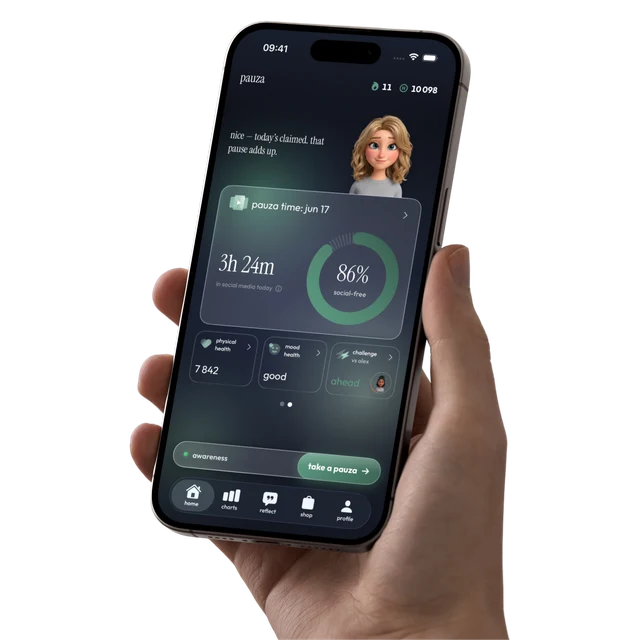
frequently asked questions
What is iOS Screen Time and how do I find it?
iOS Screen Time is Apple’s built-in tool for tracking and limiting device use. Find it by going to Settings > Screen Time on your iPhone.
Are third-party screen time apps safe to use?
Most reputable screen time apps are safe, but always check the app’s privacy policy and reviews. Choose apps that keep your data on your device if privacy is important to you.
Can I use both Screen Time and a third-party app together?
Yes, you can use both at the same time. Some people use Screen Time for basic limits and a third-party app for extra features like rewards or challenges.
Are rewards in screen time apps real money?
Most screen time app rewards, like tokens in Pauza, have no cash value and can’t be cashed out. They’re designed to motivate, not for gambling or financial gain.
Will reducing screen time really help my wellbeing?
Many people find that spending less time on their phones improves focus, sleep, and mood. However, results vary and it depends on how you use your device and what you replace screen time with.
What should I do if limits aren’t working for me?
Try adding social accountability, challenges, or rewards. Sometimes, a new approach or feature—like those in third-party apps—can help make limits stick.
free tools
- screen time calculator — see what your daily hours add up to over a year
- average screen time statistics — how your usage compares to the latest data
- phone habit test — a 2-minute check of your phone habits