why is my screen time wrong: how ios counts, and where it drifts

Yes, your iPhone’s Screen Time numbers can be wrong or misleading—and you’re not alone in noticing. How iOS tracks your usage is more complicated than it seems, and several factors can skew the results. Understanding these quirks helps explain the odd totals, and gives you clearer control over your digital habits.
Screen Time on iOS tracks how long your iPhone’s screen is active and which apps are used, but it can be inaccurate due to background activity, device syncing, or shared devices. These factors may inflate or misreport your actual screen usage, so totals may not always reflect true personal use.
key takeaways
- iOS Screen Time counts more than just your eyes on the screen—background activity can add minutes.
- Shared Apple IDs, device syncing, and family devices can cause totals to drift or be duplicated.
- Manual adjustments and thoughtful app choices can help you get a more accurate sense of your own usage.
- Apps like Pauza offer a fresh approach by rewarding time away from your phone, not just tracking time spent on it.
what does 'screen time' actually mean on iphone?
On iPhone, 'Screen Time' refers to the total amount of time your device’s screen is on and apps are in use. This includes active interaction—like scrolling social media—but can also count certain background activity.
Screen Time is designed to help you see patterns, set limits, and make more intentional choices about your phone use. It’s not perfect, but it’s one of the most widely used self-monitoring tools for digital wellbeing.
Apps like Pauza build on this idea by not just tracking, but also encouraging you to spend meaningful time off your screen, turning those minutes into small rewards.
how ios measures your screen time
iOS calculates Screen Time by monitoring when your iPhone’s display is on and which apps are in the foreground. It adds up the minutes for each app and for your device overall.
However, if you have multiple Apple devices using the same Apple ID with Screen Time sharing enabled, iOS can combine usage from all devices. This means you might see higher totals than expected, especially if you share devices with family.
Some background activities—like music playing, navigation, or app refreshes—may also be counted, depending on how the app interacts with your screen. This can add minutes even when you’re not actively looking at your phone.
- Foreground app usage (active on screen)
- Usage shared across devices with the same Apple ID
- Some background activities (navigation, media playback)

scientific evidence and where it falls short
Research on screen time is evolving. While it’s clear that tracking device use can help raise awareness, the reliability of self-reported or device-recorded data is still debated.
Studies suggest people often underestimate their own usage. Device-reported data is more objective, but only if counted accurately—and iOS Screen Time is not immune to errors or quirks.
For context, people spend an average of 6 hours and 38 minutes online across all devices each day, according to DataReportal (Digital 2025). But even that number is an average, not a precise measure for everyone. A screen time calculator makes those hours feel more concrete, but individual accuracy depends on the tools and habits you use.
- Screen Time stats may include background activity, inflating totals.
- Device syncing can duplicate usage across devices.
- No tracking method is 100% accurate—use trends, not precise numbers.
how to get a more accurate read on your screen time
To improve the accuracy of your Screen Time data, start by checking which devices are included. Go to Settings > Screen Time > Share Across Devices, and turn this off if you want only your iPhone’s usage counted.
Review app-level details: in Settings > Screen Time, tap 'See All Activity' to check which apps are contributing most to your totals. If you notice anomalies, check for background permissions—some apps may run (and count time) even when you’re not actively using them.
Consider using Focus modes to control app activity, or use Downtime and App Limits to keep your data focused on your habits. Apps like Pauza offer a different approach—rewarding you for time away from your phone, letting you bet friends on staying off social media, and tracking streaks, all while keeping your raw usage data on your device.
- Turn off 'Share Across Devices' for single-device accuracy.
- Audit app permissions to limit background activity.
- Use Focus, Downtime, or App Limits to manage distractions.
common misunderstandings about screen time counts
Many people believe Screen Time only counts minutes when they're physically looking at their phone, but this isn’t always the case—background activity and music playback can add up.
If you use Family Sharing, your totals may include other family members’ device time. Similarly, switching between iPhone and iPad with the same Apple ID can double-count certain minutes.
Screen Time does not track attention or focus—it only knows when the device is active. So, if you leave an app open while multitasking in real life, those minutes still count.
tools and next steps for more mindful screen use
Start by regularly reviewing your Screen Time under Settings > Screen Time. Look for trends, not just daily totals, to spot patterns worth changing.
If you want more motivation to stay off your phone, try tools that reward you for downtime. Pauza is one such app for iPhone users: it converts time off-screen into tokens, lets you build streaks, and even run friendly competitions with friends to see who can scroll less. All usage data stays on your device, and tokens are only for in-app fun—not real-world value.
Combining official Screen Time tracking with mindful habits—like setting intentional phone-free periods—can help you get more honest, actionable insights into your digital life.
by the numbers
- People spend an average of 6 hours and 38 minutes online across all devices each day.— DataReportal, Digital 2025
Ready for a new relationship with your phone? Try Pauza for iPhone and see what happens when you reward yourself for time spent away, not just time tracked.
Get Pauza on iPhone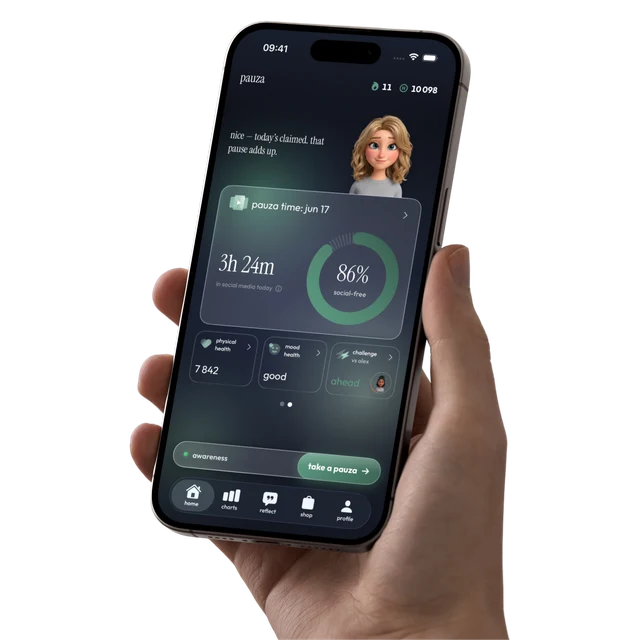
frequently asked questions
Why does my Screen Time seem too high?
Screen Time can appear inflated if you share devices, have multiple Apple devices synced with the same Apple ID, or use apps that run in the background even when you’re not actively on your phone.
Does Screen Time count background apps?
Generally, Screen Time tracks foreground usage, but certain apps like navigation, calls, or media playback can log time even when you’re not interacting directly with the screen.
How do I make Screen Time more accurate?
Turn off 'Share Across Devices' in Settings, limit background activity for apps, and regularly check which apps are using the most time. This helps ensure the data reflects your actual habits.
Can I reset or edit Screen Time data?
You can reset Screen Time statistics by turning the feature off and on again in Settings, but you cannot manually edit past usage data.
Are Screen Time totals the same as the time I look at my phone?
Not exactly. Screen Time measures when your phone is active, not when you’re paying attention. Background activity, calls, or music can all add minutes even if you’re not directly engaged.
What if I want to compare my use to others?
You can look up screen time statistics or use a screen time calculator to see how your habits align with averages, but remember that device settings and counting methods may differ.
free tools
- screen time calculator — see what your daily hours add up to over a year
- average screen time statistics — how your usage compares to the latest data
- phone habit test — a 2-minute check of your phone habits