how to focus on homework when your phone is on the desk
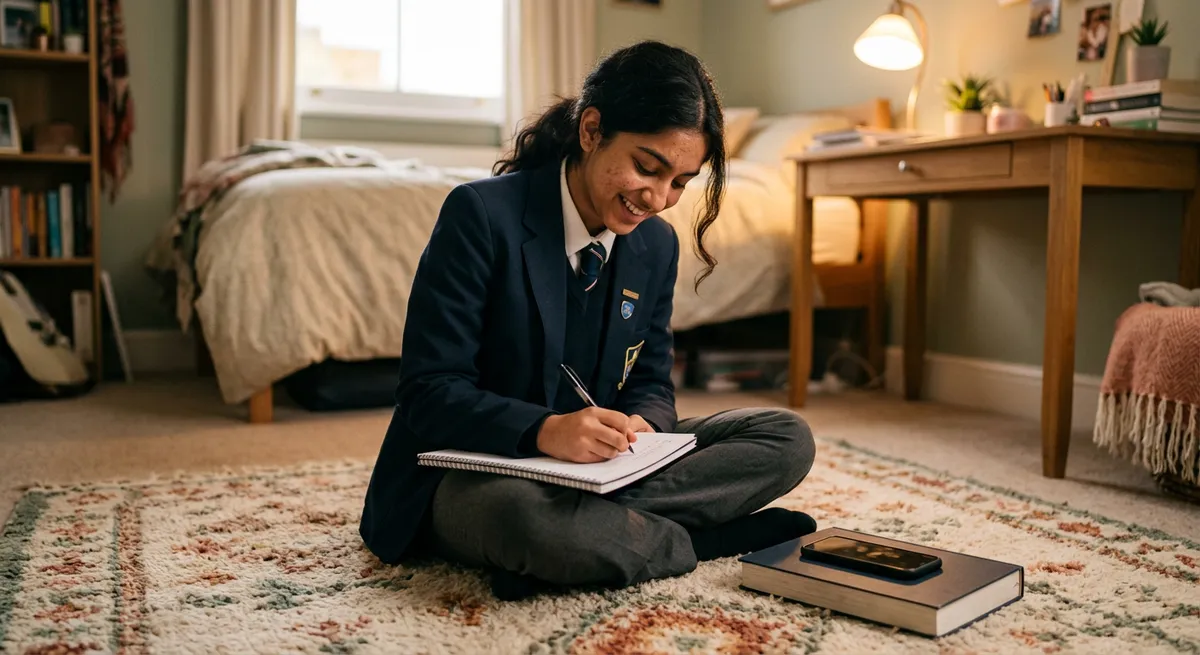
To focus on homework when your phone is on the desk, you need to change both your environment and your habits. The most effective approach combines small physical shifts—like adjusting notification settings—with psychological cues that reduce temptation. Even a phone in sight doesn’t have to ruin your concentration.
To focus on homework when your phone is on the desk, silence non-essential notifications, set a visible time goal, and use a timer. Place your phone face down or slightly out of reach, and create small, intentional study blocks with clear breaks to minimize distraction and maintain attention.
key takeaways
- Turning off notifications and using Focus modes reduces interruptions.
- Physical changes—like placing your phone out of arm’s reach—make a real difference.
- Short, defined study sessions with built-in breaks help manage attention.
- Tracking your phone-free time with apps or a screen time calculator can boost motivation.
why phones pull your attention—even when silent
Even when your phone isn’t buzzing, just having it visible can sap your ability to focus. A study published in the Journal of the Association for Consumer Research found that the mere presence of a smartphone reduces available cognitive capacity, because part of your brain is anticipating possible alerts or distractions.
This happens because phones are designed to be appealing. Your brain remembers the dopamine rush from checking messages or scrolling, so the sight of your device can trigger a subtle urge to pick it up. This is why ignoring your phone sometimes feels physically uncomfortable.
With nearly half of U.S. teens (46%) saying they are online almost constantly (Pew Research Center, 2024), it’s clear that resisting the pull of your device is a shared struggle. Understanding this can help you approach focus as a skill to build, not a sign of weak willpower.
- Phones are designed to grab and hold your attention.
- Anticipation of notifications can reduce focus—even if the phone is silent.
- Physical presence alone can trigger habitual checking.
small physical changes that make a big difference
Research suggests that even subtle changes in your environment can help you regain control. If you need your phone nearby for reference or emergencies, don’t keep it directly in your line of sight. Placing your phone face down, behind your laptop, or just out of arm’s reach creates a small friction that disrupts automatic checking.
You can also use physical cues as reminders of your intent. For example, putting your phone on top of a closed notebook or placing a sticky note with your study goal on your phone can reinforce your decision to focus.
Some people find it helpful to use a dedicated study object—like a timer or a special pen—that signals ‘work mode’. These cues can train your brain to associate your desk with sustained attention.
- Place your phone face down or behind another object.
- Add a visual cue (like a sticky note) as a reminder to stay on task.
- Keep a physical timer or study token on your desk.

use your iphone’s built-in tools—beyond do not disturb
Modern iPhones offer several features to help you control distractions without needing to turn off your device entirely. Focus modes (Settings > Focus) let you filter which notifications can reach you during study time. You can create a custom Focus profile that only allows messages from family or critical apps.
Screen Time (Settings > Screen Time) provides daily and weekly usage data. Reviewing these numbers can make your habits more visible. A screen time calculator makes those hours concrete and helps you spot patterns or triggers for distraction.
Apps like Pauza can help you stay accountable and gamify phone-free time by rewarding you for every minute spent away from your device. While these tools can’t force you to focus, they add structure and positive reinforcement.
- Set up a custom Focus mode for homework sessions.
- Use App Limits to restrict access to social media or games while studying.
- Check Screen Time reports to understand your usage patterns.
structured study sessions: work with your attention span
Trying to focus for hours at a stretch can backfire, especially if your phone is nearby. Instead, break your homework into short, timed blocks—like 25 minutes of focused work followed by a 5-minute break (the Pomodoro Technique). This approach leverages your brain’s natural rhythms and reduces mental fatigue.
Use your iPhone’s built-in timer or a physical timer to signal the start and end of each session. During breaks, allow yourself to check your phone if needed, but keep the break short and intentional.
If you’re studying with friends, agree to set your phones aside together for each block. You can even make it a friendly competition—lowest screen time during the session wins. This social accountability can make it easier to resist temptation.
the psychology of temptation: making distractions less appealing
Your phone is designed to be interesting. To make it less tempting during homework, you can change its appearance and behavior. Try switching your display to grayscale (Settings > Accessibility > Display & Text Size > Color Filters) to make social feeds and games less visually rewarding.
Move distracting apps off your home screen or into a folder called 'Later.' Out of sight often means out of mind. Disabling badge icons for messaging and social apps removes the red dots that trigger urgency.
If you notice certain triggers—like boredom or stress—lead you to pick up your phone, have a simple plan for these moments. For example, keep a notepad nearby to jot down distracting thoughts or questions to look up later, so you stay on task.
tracking progress and building new habits—without perfectionism
It’s easy to feel discouraged if you slip up, but progress comes from consistency, not perfection. Review your Screen Time data weekly—not to judge, but to notice patterns. Are there certain times or subjects where you’re more likely to reach for your phone?
Apps like Pauza let you track minutes spent off your device and reward you with in-app tokens. While the tokens have no cash value, seeing your streaks and progress can be motivating. Friendly challenges—like betting a friend on who can scroll less during study hours—add accountability without pressure.
Remember, the goal isn’t to eliminate your phone, but to use it in ways that support your learning. Try new strategies, adjust as needed, and celebrate even small improvements.
by the numbers
- Nearly half of U.S. teens (46%) say they are online almost constantly — roughly double the share a decade ago.— Pew Research Center, 2024
Ready to see how much time you can reclaim? Try Pauza on your iPhone and make every minute off your phone count toward your focus goals.
Get Pauza on iPhone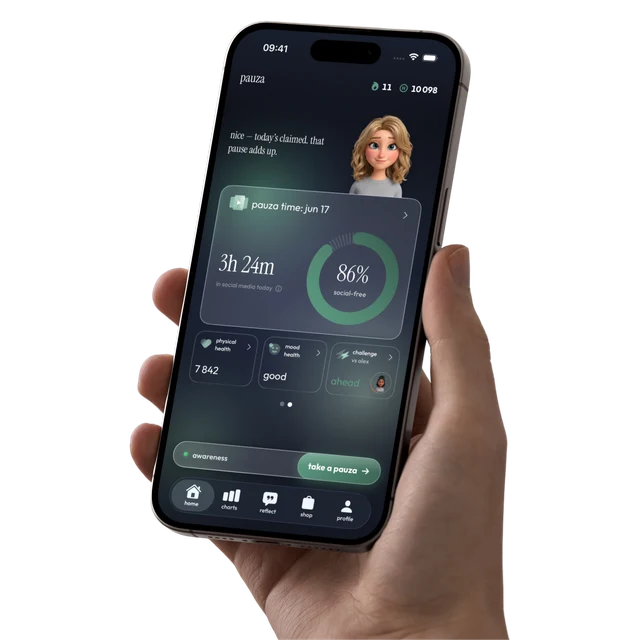
frequently asked questions
Does putting my phone face down really help me focus on homework?
Yes, placing your phone face down or slightly out of reach creates a small barrier that reduces the urge to check it. This small change can help you stay focused, even if your phone is still on your desk.
What iPhone settings can minimize distractions during homework?
Use Focus modes to filter notifications, enable App Limits for distracting apps, and review your Screen Time data. You can also set your display to grayscale to make your phone less visually appealing.
Is it better to move my phone to another room?
If possible, yes. Moving your phone out of sight is the most effective option. But if you must keep it nearby, using the tips in this guide can still help reduce distractions.
How long should my study sessions be for best focus?
Short, defined blocks—like 25 minutes of focused work followed by a 5-minute break—work well for most people. Experiment to find the session length that suits your attention span.
Can tracking phone-free time actually help me focus?
Tracking your phone-free time, whether through built-in iPhone features or apps like Pauza, can boost self-awareness and motivation. It helps you see your progress and find patterns, making it easier to build better habits.
Will turning on grayscale mode really make my phone less tempting?
Yes, grayscale removes the colorful cues that make apps and social media more appealing, which can help reduce the urge to check your phone during homework.
free tools
- screen time calculator — see what your daily hours add up to over a year
- average screen time statistics — how your usage compares to the latest data
- phone habit test — a 2-minute check of your phone habits