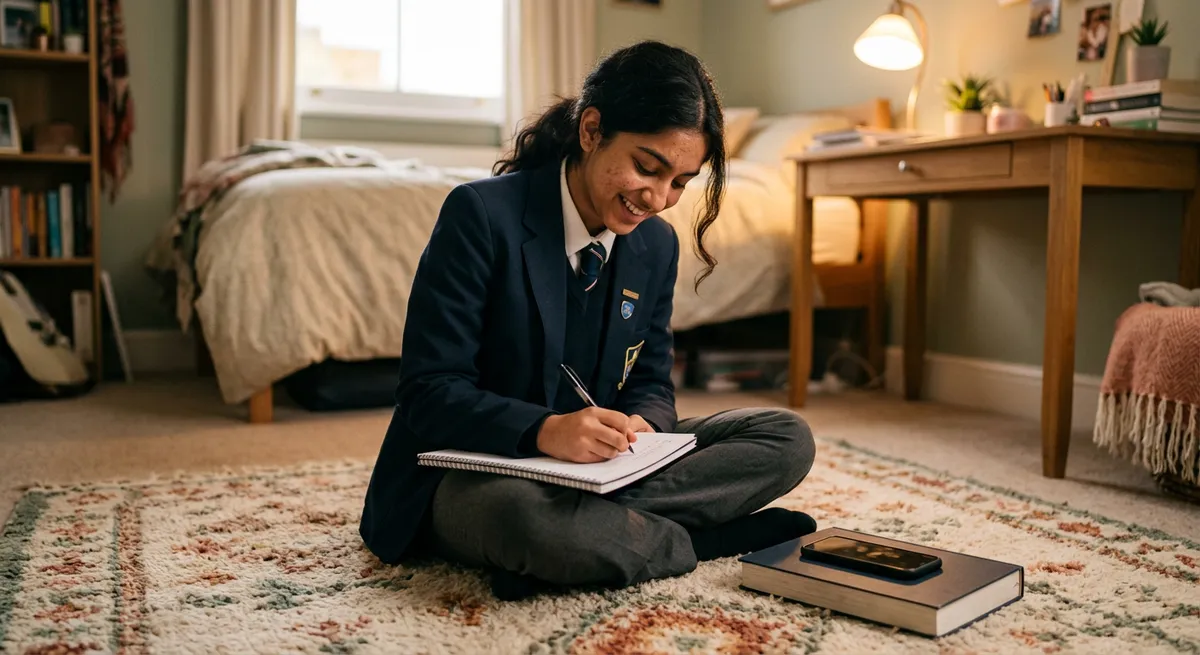
how to focus on reading again after years of scrolling

To focus on reading again after years of scrolling, you need to retrain your attention, adjust your digital environment, and make reading inviting and achievable. Break the pattern of constant phone checking by understanding your triggers and reshaping your reading habits for today's reality.
To focus on reading again after years of scrolling, start by identifying your digital distractions, reduce notifications, set up dedicated reading times, and create a comfortable, phone-free environment. Gradually rebuild your attention span with short, enjoyable reading sessions and track your progress to stay motivated.
key takeaways
- Short, regular reading sessions help retrain your focus after years of scrolling.
- Disabling non-essential notifications and using Focus modes on iPhone reduces interruptions.
- Choosing books that genuinely interest you makes it easier to re-engage with reading.
- Tracking your screen time highlights patterns and progress toward your reading goals.
why scrolling rewires your attention
Years of social media scrolling can make sustained reading feel unfamiliar. Platforms are deliberately designed for fast, unpredictable rewards—a sharp contrast to the slower, linear rewards of reading a book. Over time, this trains your brain to expect constant novelty and short bursts of stimulation.
As habits form, your mind learns to anticipate interruptions. This makes it harder to settle into the immersive, uninterrupted state required for deep reading. The average internet user spends 2 hours and 21 minutes on social media every day (DataReportal, Digital 2025), meaning much of our attention is now divided.
Recognizing this shift is the first step. Rather than blaming yourself for a lack of willpower, understand that modern apps are powerful attention traps. Tools like Pauza can help you see just how much time is spent scrolling, making the process visible and addressable.
- Social media rewards quick, fragmented attention.
- Book reading relies on deeper, sustained focus.
- The average screen time spent on social platforms is significant.
setting up your phone and space for reading
Environmental cues matter. If your iPhone is always within reach and notifications are buzzing, your brain stays in a reactive state. Start by making reading more inviting and your phone less tempting during reading times.
On iPhone, use Focus mode: Go to Settings > Focus > Reading (or create a custom one). Silence all but essential contacts and apps. Consider setting your device to grayscale (Settings > Accessibility > Display & Text Size > Color Filters > Grayscale); this reduces the visual appeal of notifications and icons.
Physically separate your phone from your reading spot. Place it in another room or in a bag. Arrange your reading area to feel comfortable—good lighting, a supportive chair, and your book within arm’s reach. Even small adjustments can reduce the urge to check your phone.
- Switch on Focus mode for reading sessions.
- Set your phone to grayscale to lower visual temptation.
- Move your device out of immediate reach.
- Make your reading environment inviting and distraction-free.

rebuilding your attention span step by step
After years of fragmented digital consumption, expecting yourself to read for an hour straight is unrealistic. Begin with short, achievable goals—10 to 15 minutes per session is enough to start.
Use a timer or the iOS Clock app: Set a 10-minute countdown and read as much as you comfortably can. When you notice your mind wandering, gently bring your attention back to the page, without frustration. Gradually increase your session length as it feels easier.
Celebrate small wins. Completing a chapter, or even a few pages, is progress. Apps that track your off-phone time, like Pauza, can help reinforce your new habits by making each focused minute visible and rewarding.
choosing books that keep you engaged
Your first book back doesn’t need to be a classic or a challenge. Pick something you’re genuinely excited to read, whether that’s a gripping thriller, a memoir, or even short stories. The goal is to make reading feel rewarding, not another chore.
It’s normal for tastes to change after years of digital reading. Graphic novels, essays, or even audiobooks can be effective gateways back to longer-form reading. Try several genres or formats to see what draws you in.
If you struggle to get started, sample a few pages from different books at a local library or bookshop. The right book can pull you in and make sustained focus feel effortless, even if only for a few minutes at a time.
tracking your progress and understanding your patterns
Knowing how much time you actually spend reading versus scrolling can help you spot patterns and adjust. The average internet user spends hours online daily—compare that to the average screen time for your device using iPhone’s built-in Screen Time settings (Settings > Screen Time > See All Activity).
A screen time calculator makes those hours concrete and lets you set realistic goals. Try noting your reading sessions in a journal or simple notes app, marking the time, book, and your focus level. Reflecting on these entries helps reveal which days or environments work best for you.
Some apps, like Pauza, turn time away from social media into tokens or streaks, making your progress visible in a low-pressure way. Over time, these small data points can motivate you to keep going, without feeling like a performance.
what to do when your mind still wanders
Even with the best setup, it’s normal to lose focus or feel restless. When it happens, pause and notice what’s pulling your attention—are you bored, anxious, or simply tired? Sometimes, just acknowledging the urge to check your phone helps break the cycle.
Try mindful reading: Before you start, take a few slow breaths, notice your posture, and set an intention to read for a set time, however brief. If distractions creep in, gently return to the text without self-criticism.
If you find yourself repeatedly distracted, consider switching up the time of day, location, or even the type of book. Reading is a skill that can be rebuilt, one session at a time.
- Notice and name your distraction.
- Practice mindful breathing before reading.
- Experiment with different books and settings.
- Remind yourself that focus improves gradually.
by the numbers
- The average internet user spends 2 hours and 21 minutes on social media every day.— DataReportal, Digital 2025
Ready to reclaim your focus? Try Pauza on iPhone to make your reading time more rewarding and see your progress grow, one distraction-free minute at a time.
Get Pauza on iPhone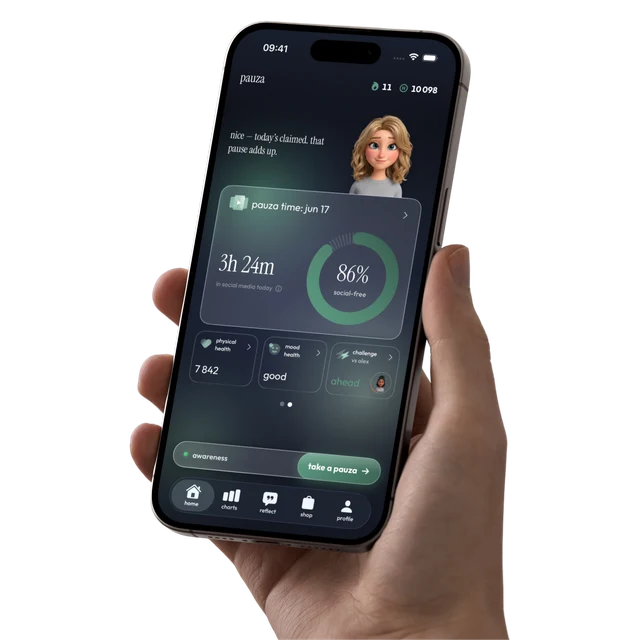
frequently asked questions
Why is it so hard to focus on books after using social media?
Social media trains your brain to expect constant novelty and short bursts of information, which makes it harder to settle into the slower, sustained attention required for reading.
How long should I read at first when getting back into the habit?
Start with short sessions of 10–15 minutes. Gradually increase the time as your focus improves, rather than forcing yourself into long periods right away.
What phone settings help reduce distractions while reading?
Use Focus mode on iPhone to silence notifications, or set your phone to grayscale to make it less visually appealing. Keeping your phone physically out of reach also helps.
Can apps help me focus on reading?
Yes, some apps track your time off social media or reward you for staying off your phone, making it easier to notice and change your habits. These can be useful motivation tools.
Is it normal to still get distracted even with all these changes?
Yes, regaining deep focus takes time. Expect occasional lapses and treat each reading session as practice, not a test of willpower.
What if I don’t enjoy the books I used to like?
Your tastes may have changed, or you may need something more engaging at first. Try different genres or formats until you find what holds your attention.
free tools
- screen time calculator — see what your daily hours add up to over a year
- average screen time statistics — how your usage compares to the latest data
- phone habit test — a 2-minute check of your phone habits