why is my screen time not working? 9 reasons limits stop enforcing

If your iPhone Screen Time limits aren't working, the cause is often a settings issue, device loophole, or simple user workaround. Many people find their app limits or downtime rules just don't stick. Below, you'll find the real reasons Screen Time fails, and what you can do to make digital downtime stick.
Screen Time limits on iPhone may stop working due to incorrect settings, passcode sharing, device syncing issues, system bugs, or users bypassing restrictions. Fixing these problems usually involves checking settings, updating software, and using alternative tools if built-in controls aren't effective.
key takeaways
- Screen Time often fails due to passcode leaks, device syncing problems, or settings gaps.
- Children and adults can bypass limits using device loopholes or changing time zones.
- Keeping your iPhone updated and securing your passcode are key for reliable Screen Time.
- Apps like Pauza offer a different, reward-based way to reduce screen use if built-in limits fall short.
passcode problems: the easiest screen time loophole
One of the most common reasons Screen Time limits fail is that the passcode is easy to guess, or has been shared with the person being monitored. If your child—or you—know the passcode, it only takes seconds to ignore or extend a limit. Even with the best intentions, 'just five more minutes' soon becomes an hour.
To be effective, set a unique, hard-to-guess Screen Time passcode that's different from your device unlock code. Never share this passcode, even for a quick app download or settings change. If you suspect someone else knows it, change it immediately.
For parents, Apple lets you recover or reset a forgotten Screen Time passcode using your Apple ID. For adults monitoring their own use, accountability can help—ask a trusted friend to set or keep the passcode for you. Apps like Pauza use a different approach: instead of blocking, they reward time spent off your phone, reducing the urge to override limits.
- Open Settings > Screen Time > Change Screen Time Passcode.
- Choose 'Change Passcode' and set a new, memorable but secure code.
- Never reuse your device unlock code or a common number sequence.
multiple devices: syncing and loopholes
Screen Time can track and enforce limits across all devices signed into the same Apple ID, but only if this feature is enabled. If you or your child use an iPad, Mac, or another iPhone, limits set on one device may not sync to the others—especially if someone toggled 'Share Across Devices' off.
Even with syncing turned on, there can be delays or glitches that let users sneak in extra time on a second device. Some people intentionally sign out of iCloud or use 'guest' accounts to sidestep controls.
To close these gaps, check that 'Share Across Devices' is enabled on every device, and that all are running the latest iOS or macOS. Be aware that Screen Time only covers Apple devices; time spent on Android phones, consoles, or computers won't count. For a more accurate total, a screen time calculator can help you estimate your real usage.
- Settings > Screen Time > Share Across Devices: toggle ON.
- Sign into the same Apple ID on all Apple devices you want to track.

time zone tricks and system clock workarounds
Adjusting the system time or time zone is a well-known way to bypass Screen Time limits. If the device clock is changed, iOS can become confused and reset limits or downtime periods, giving extra hours of access.
Some users deliberately exploit this by switching time zones or turning off automatic date and time updates. This is especially common among teens and kids who want to extend their social media or gaming time beyond set limits.
To prevent this, go to Settings > General > Date & Time and turn on 'Set Automatically.' You can also use parental controls to restrict changes to account and device settings. Keep in mind, though, that no system is perfect—regularly review Screen Time settings and usage reports for signs of tampering.
app limit gaps: exclusions and always allowed apps
Screen Time lets you customize which apps are always allowed, such as Messages or educational tools. However, it's easy to accidentally leave distracting apps on the 'Always Allowed' list, making limits ineffective. Review this list to make sure only essential apps are included.
Another common gap: apps within folders or categories might not be restricted if only specific apps—not categories—are selected. Some users also find that deleting and reinstalling an app can reset its time limit.
To tighten controls, periodically review your App Limits and Always Allowed lists. Remove non-essentials, and consider setting broader category limits (like 'Social Networking') instead of picking apps one by one.
software bugs and outdated ios versions
Even with everything set up correctly, iOS bugs or outdated software can interfere with Screen Time. Some iOS updates have fixed issues where limits were ignored, usage wasn't tracked, or downtime failed to activate.
If your screen time not working problem started after an update or persists despite correct settings, check for available iOS updates. Go to Settings > General > Software Update and install the latest version. Restarting your device after updating can also clear minor glitches.
If bugs persist, report them to Apple Support. Temporary workarounds include setting stricter limits, using Guided Access for single-app lockdowns, or exploring third-party solutions with different mechanisms—like Pauza, which encourages breaks by rewarding time away from your phone rather than blocking access.
when built-in limits aren't enough: alternative techniques
For many, built-in Screen Time works for a while, but loses effectiveness as users adapt or find ways around it. If you keep hitting the same obstacles, try combining digital controls with changes to your habits and environment.
Start by physically moving your phone out of reach during focused work or downtime. Use 'Do Not Disturb' or Focus Modes to silence notifications, and set clear, device-free zones at home. For accountability, check your weekly usage reports and compare that to the average screen time: DataReportal finds the average internet user spends 2 hours and 21 minutes on social media daily.
If you need a new approach, consider apps like Pauza. Instead of blocking apps, Pauza rewards minutes spent off your phone, tracks streaks, and lets you challenge friends to see who can lower their screen time most. It's a gentle, positive way to build new habits—especially if traditional limits keep slipping.
- Move your phone to a different room during important tasks.
- Set device-free times or spaces (e.g., at meals or before bed).
- Try reward-based apps or accountability partners for extra motivation.
by the numbers
- The average internet user spends 2 hours and 21 minutes on social media every day.— DataReportal, Digital 2025
If built-in limits aren't sticking, try Pauza for iPhone—a calmer, reward-based way to spend less time on your phone and more on what matters.
Get Pauza on iPhone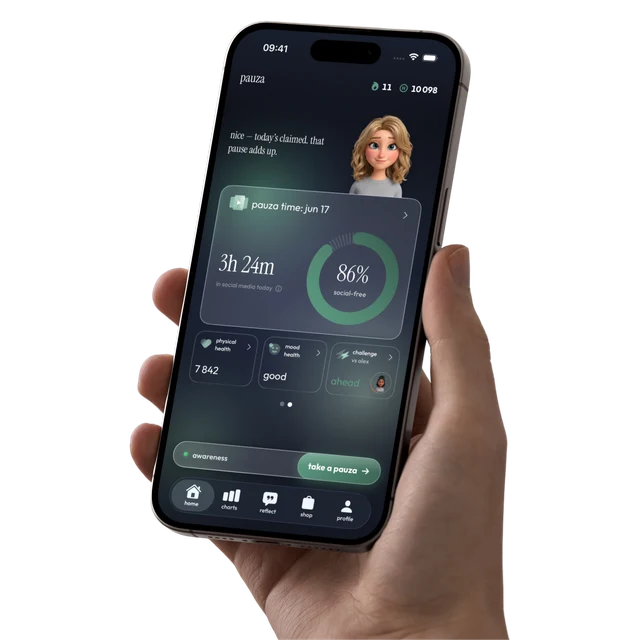
frequently asked questions
Why does Screen Time say I've used less or more time than I actually did?
Screen Time may misreport usage if devices aren't synced, settings are off, or if the system time has been changed. Check 'Share Across Devices' and ensure the date and time are set automatically.
How can I stop my child from bypassing Screen Time limits?
Set a strong, unique passcode, enable 'Set Automatically' for time and date, and restrict access to device settings. Regularly review allowed apps and watch for unusual changes in usage patterns.
What should I do if Screen Time limits stopped working after an iOS update?
Check for further updates in Settings > General > Software Update, restart your device, and review all Screen Time settings. If issues continue, contact Apple Support and consider a temporary alternative tool.
Can Screen Time limit usage across multiple Apple devices?
Yes, but only if 'Share Across Devices' is enabled and all devices use the same Apple ID. Double-check this setting across every device for accurate tracking and enforcement.
Are there alternatives if built-in Screen Time isn't enough?
Yes. Apps like Pauza use rewards and social features to encourage time off your phone, offering a different approach if blocking and limits aren't effective for you.
Does deleting and reinstalling an app reset its Screen Time limit?
Yes, deleting and reinstalling can reset app-specific time limits. Monitor for this workaround and consider setting broader category limits if it's a recurring issue.
free tools
- screen time calculator — see what your daily hours add up to over a year
- average screen time statistics — how your usage compares to the latest data
- phone habit test — a 2-minute check of your phone habits