digital minimalism: a beginner's guide to using tech on purpose

Digital minimalism means using technology with intention—choosing quality and purpose over mindless scrolling. It’s not about quitting screens, but about making thoughtful decisions regarding when, how, and why you use them. There’s no single way to practice it, but the core idea is to reclaim your attention in a digital world designed to compete for it.
Digital minimalism is an intentional approach to technology use that prioritizes meaningful activities and limits mindless digital consumption. Rather than quitting technology, it encourages making conscious choices about when and how to engage with digital devices, aiming for balance and improved well-being.
key takeaways
- Digital minimalism means using technology with clear intention, not just less.
- You don’t need to quit your devices—focus on curating your digital habits.
- Evidence for benefits is promising but still growing; start with small, realistic steps.
- Tools like screen time trackers or apps can help you measure and adjust your habits.
what is digital minimalism?
Digital minimalism is a philosophy that encourages you to be mindful and selective about your use of digital technology. The goal is not to eliminate devices, but to use them in ways that genuinely serve your values and priorities. This approach echoes the broader minimalist movement—focusing on what matters, cutting out what doesn’t.
Instead of letting notifications and endless feeds guide your day, digital minimalism invites you to set boundaries and choose tech that adds real value. Even small shifts, like muting non-essential alerts or scheduling device-free time, can make a difference.
Apps like Pauza are designed with this philosophy in mind, rewarding you for intentional time away from your phone without demanding an all-or-nothing approach.
how does digital minimalism actually work?
Digital minimalism works by encouraging you to audit your tech use and consciously decide which tools, apps, and habits support your life—and which quietly drain your time or attention. This isn’t about strict rules, but about understanding your own patterns. For example, you might realize that checking social media first thing in the morning leaves you distracted all day.
A practical method is to track your screen time (iPhone: Settings > Screen Time), then reflect on what feels essential versus what can be trimmed. Some people set app limits, schedule phone-free blocks, or even delete certain apps for a trial period.
The process is ongoing: as your needs and routines change, so should your approach. Digital minimalism is flexible—adapt it to fit your reality.
- Identify apps or habits that don’t serve your goals
- Set intentional limits or notifications only for essentials
- Schedule regular device-free activities
- Reflect and adjust as your needs evolve

what the evidence does—and doesn’t—support
The science around digital minimalism is still emerging. Some studies suggest that reduced screen time can improve well-being, sleep, and focus, especially when it replaces passive or compulsive use. However, most research focuses on screen time as a whole, not on minimalism as a philosophy.
For example, according to DataReportal, people now spend an average of 6 hours and 38 minutes online across all devices each day. That’s a major part of daily life, but the impact depends on how those hours are spent.
There isn’t yet strong scientific consensus on the best way to cut back, or exactly how much is ‘too much’ for everyone. Benefits are likely to vary by person and context, so it’s best to experiment and see what feels right for you.
- Some evidence links lower screen time to better sleep and mood
- Context matters—active use (learning, connecting) may be less draining than passive scrolling
- No one-size-fits-all threshold for ‘healthy’ tech use
how to try digital minimalism in practice
If you want to experiment with digital minimalism, start with observation. Use your iPhone’s built-in Screen Time (Settings > Screen Time) to get a baseline; a screen time calculator makes those hours concrete. Notice when and why you reach for your phone. Are you bored, tired, procrastinating?
Next, choose one habit to change. That might mean moving social media apps off your home screen, setting a daily time limit, or designating device-free zones (like the dining table or bedroom). Consider a ‘digital declutter’—a 30-day reset where you remove non-essential apps and reintroduce only what you truly miss.
Apps like Pauza can support this process by turning time away from your phone into small, in-app rewards and letting you track your progress. It’s not about willpower alone—use every tool that makes intentional use easier.
- Check your current screen time and note your patterns
- Pick one change (limit, notification tweak, or app removal)
- Set clear device-free times or spaces
- Reflect weekly and adjust as needed
common misunderstandings about digital minimalism
Digital minimalism is often confused with ‘digital detoxes’ or going totally offline, but it’s not about rejection—it’s about selection. You don’t need to cut out all social media or delete every app to benefit. The point is to use technology on your terms.
Another myth: digital minimalism is only for people with extreme tech habits. In reality, anyone can benefit from tuning their digital environment to match their values, whether you’re online for work, social life, or both.
Finally, it isn’t a cure-all. While digital minimalism can help reduce stress or distraction, it works best alongside other healthy habits and self-awareness.
tools and next steps for digital minimalism
Several tools can help you make digital minimalism practical. Use your iPhone’s Screen Time settings to set app limits and downtime, or try scheduling ‘focus’ modes for specific times of day. Some people use non-digital cues, like leaving their phone in another room during meals.
For those who want more structure, apps like Pauza reward intentional time off-screen, letting you track streaks and even challenge friends to minimize screen time together—making the process more engaging.
Remember, the goal isn’t perfection. Use tools that fit your needs, and treat digital minimalism as an ongoing experiment.
- Built-in Screen Time and Focus modes on iPhone
- Physical reminders (boxes, shelves, signs)
- Apps like Pauza for tracking and rewarding time away from your phone
- Weekly reviews to notice what’s working and what isn’t
by the numbers
- People spend an average of 6 hours and 38 minutes online across all devices each day.— DataReportal, Digital 2025
Ready to try digital minimalism for yourself? Download Pauza on iPhone to start tracking—and rewarding—your intentional time off-screen.
Get Pauza on iPhone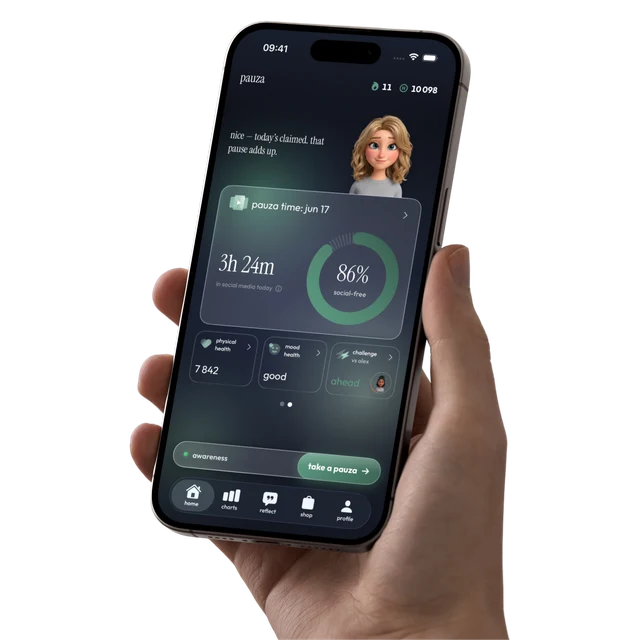
frequently asked questions
Does digital minimalism mean I have to give up social media?
No. Digital minimalism is about intentional use, not total avoidance. You can keep social media if it adds value to your life—just set boundaries or limits that fit your needs.
How is digital minimalism different from a digital detox?
A digital detox usually means taking a temporary break from technology. Digital minimalism is about building lasting, intentional habits and routines for ongoing balance.
Is there a recommended amount of screen time per day?
There is no universal threshold for healthy screen time. It depends on your lifestyle, work, and what you use your devices for. Tracking your current habits is a good first step.
Can digital minimalism help with focus or anxiety?
Many people report improvements in focus and stress when they reduce mindless tech use. However, evidence is still emerging, and results vary person to person.
What’s one easy way to start with digital minimalism?
Try setting one device-free time or space each day—like meals or the first 30 minutes after waking up. Small, consistent changes often work best.
Are there tools to help me stick to digital minimalism?
Yes. Use your iPhone’s Screen Time features, or try apps like Pauza that reward intentional time away from your device and help you build better habits.
free tools
- screen time calculator — see what your daily hours add up to over a year
- average screen time statistics — how your usage compares to the latest data
- phone habit test — a 2-minute check of your phone habits