what is a screen time passcode, and should you set one?

A screen time passcode is a four-digit code that locks down changes to your Screen Time settings or access to restricted apps on your iPhone. It’s a tool for setting digital boundaries, but its effectiveness depends on how it’s used and your personal habits.
A screen time passcode is a four-digit code set on an iPhone or iPad that protects Screen Time settings and can limit access to apps or content. It prevents changes to restrictions or time limits without the passcode, helping users (or parents) manage device use and encourage healthier digital habits.
key takeaways
- A screen time passcode restricts changes to settings and app usage on your iPhone.
- It can help enforce boundaries, especially for kids or those seeking to limit their own screen time.
- Forgetting your passcode can lock you out of settings, so keep it secure but memorable.
- Its effectiveness relies on honest use; tech-savvy users may find workarounds.
what is a screen time passcode?
A screen time passcode is a simple four-digit code you set up within your iPhone’s Screen Time settings. Its main role is to prevent anyone (including yourself) from changing Screen Time limits, restrictions, or content controls without entering the code.
You can use it to enforce daily app limits, block adult content, or prevent app downloads. Parents often use it to manage children’s device use, but adults who want to curb their own habits can set one for themselves.
Apps like Pauza may encourage mindful phone use, but a screen time passcode is a built-in Apple tool for directly controlling iPhone use.
how does a screen time passcode actually work?
When you set a screen time passcode, it locks down your chosen Screen Time settings. Any attempt to change restrictions, extend app time limits, or adjust content controls will require the passcode.
If you reach a daily limit on social media, for example, you’ll need to enter the passcode to override it. This adds a deliberate pause before you can access restricted content or apps.
The passcode also protects privacy settings, purchases, and downtime schedules. This is useful for keeping boundaries consistent, especially for children or shared devices.
- Prevents changes to Screen Time settings without the code
- Blocks or limits specific apps, content, or features
- Can restrict in-app purchases and downloads
- Adds a barrier to impulsive screen time extensions

what the research does and doesn’t show
The science on digital limits and passcodes is still emerging. There’s good evidence that simple barriers—like an extra step before opening an app—can reduce impulsive smartphone use. However, no large-scale studies directly test the long-term impact of screen time passcodes themselves.
Behavioral research suggests that friction (like adding a passcode) helps people pause and reflect before acting. But for highly motivated or tech-savvy users, passcodes may be bypassed or ignored.
For families, passcodes can support agreed-upon boundaries, but open conversation is still key. Tools alone rarely change habits without broader support.
how to set (and use) a screen time passcode on iphone
To set a screen time passcode on your iPhone:
A few tips: Pick a passcode you won’t forget, but don’t use something obvious. If you’re a parent, don’t share the code with your child. For adults, consider asking a partner or friend to set the code if you want extra accountability. If you forget your passcode, you may need to reset your device or use your Apple ID to recover it (on iOS 13.4+).
- Open the Settings app.
- Tap 'Screen Time'.
- Tap 'Use Screen Time Passcode'.
- Create a four-digit code and confirm it.
- Optionally, enter your Apple ID for recovery.
common misunderstandings and pitfalls
A screen time passcode is not foolproof. Determined users, especially teens, may find workarounds by resetting devices or using alternative accounts. It’s also only as strong as your willingness to stick to it—if you set the code yourself, you can always override it.
Forgetting your passcode can be a major hassle, sometimes requiring a device reset. Make sure your Apple ID is linked for recovery.
Unlike a lockout system, the passcode is a barrier—not a guarantee. It works best as part of a broader approach to digital wellbeing, alongside honest conversations and other tools like a screen time calculator.
tools and next steps for managing screen time
A screen time passcode is one option, but there are other ways to build healthier phone habits. Apple’s Screen Time feature includes app limits, downtime schedules, and content filters. Third-party apps like Pauza offer a different approach—rewarding you for time away from your phone with friendly competition and streaks, rather than just blocking access.
You might also try tracking your device use for a week and comparing it to the average screen time: People spend an average of 6 hours and 38 minutes online across all devices each day (DataReportal, Digital 2025). Seeing the numbers can help you decide what level of boundaries makes sense for you.
Ultimately, the best approach is the one you’ll stick with—whether that’s a passcode lock, accountability with a friend, or a more mindful relationship with your tech.
- Set realistic app limits and downtime schedules
- Try third-party apps that encourage time away from screens
- Review your usage regularly using built-in reports
- Have open conversations with family or friends about digital habits
by the numbers
- People spend an average of 6 hours and 38 minutes online across all devices each day.— DataReportal, Digital 2025
If you're looking for a more positive approach to screen time, try Pauza on your iPhone—it rewards you for time spent off your device, not just for blocking apps.
Get Pauza on iPhone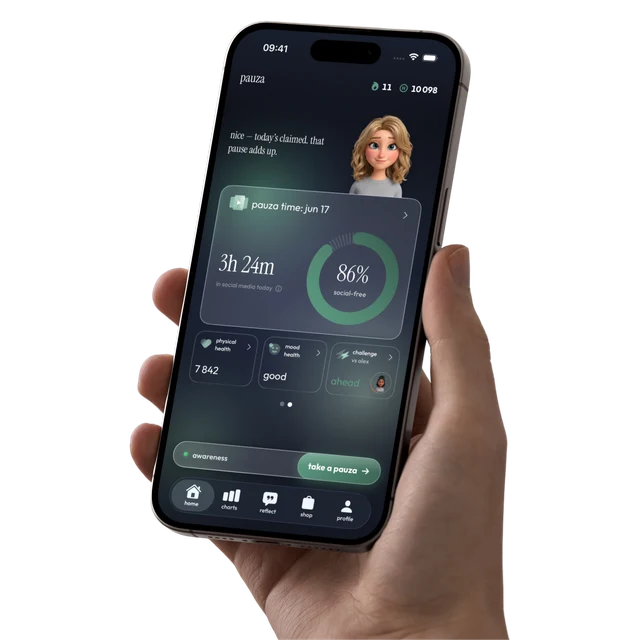
frequently asked questions
Can I recover a forgotten screen time passcode?
If your device runs iOS 13.4 or later and you set up an Apple ID with Screen Time, you can use your Apple ID to reset the passcode. Otherwise, you may need to erase your device and set it up as new.
Does a screen time passcode affect all users on a shared device?
A Screen Time passcode applies to the device or the managed Apple ID account. If you use Family Sharing, you can set separate passcodes and limits for each child’s device.
Can tech-savvy users bypass a screen time passcode?
With enough determination, some users may find ways around restrictions, such as resetting devices or creating new Apple IDs. It’s most effective when combined with trust and communication.
Is a screen time passcode the same as parental controls?
A Screen Time passcode is part of Apple’s parental controls but can also be used by adults for self-management. It locks changes to settings and enforces app limits.
What happens if I disable Screen Time?
Disabling Screen Time removes all limits and restrictions, but you’ll need the passcode to do so. If you forget the code, recovery options depend on your iOS version and Apple ID setup.
Are there alternatives to using a screen time passcode?
Yes. You can use built-in features like Downtime, app limits, or third-party apps like Pauza, which encourage time off your device without strict blocks.
free tools
- screen time calculator — see what your daily hours add up to over a year
- average screen time statistics — how your usage compares to the latest data
- phone habit test — a 2-minute check of your phone habits