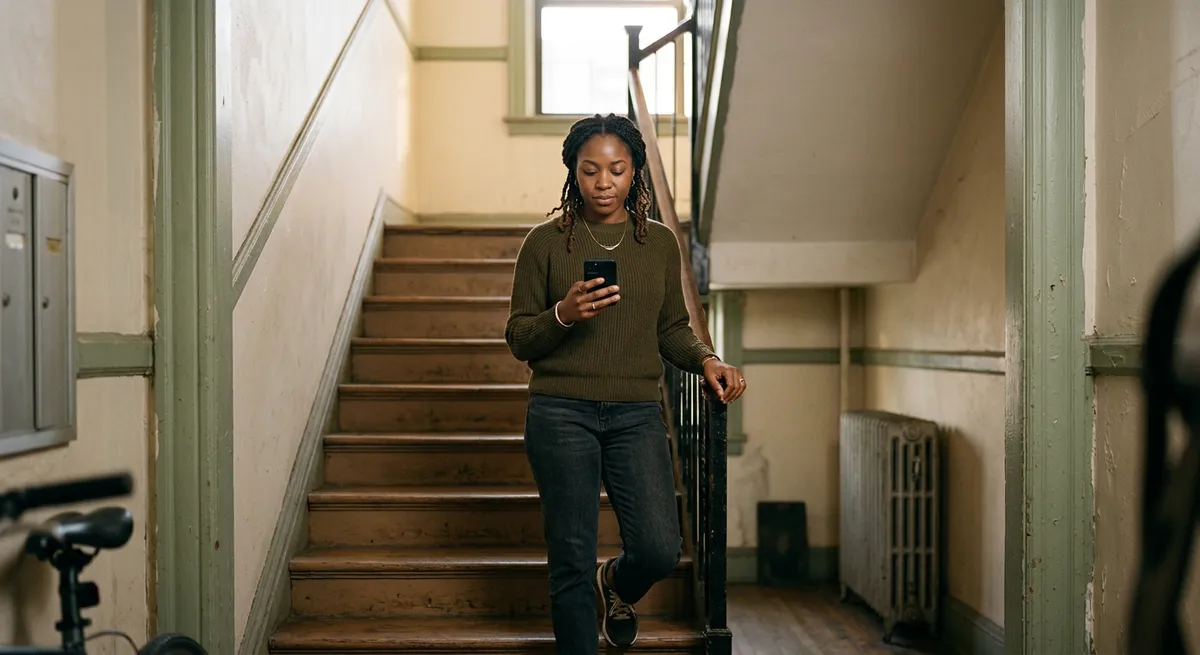
what is brain rot, really? the science behind the feeling

Brain rot, as people describe it, isn’t a medical diagnosis—it’s a feeling of mental fog, distraction, or dullness often linked to long periods of screen time or social media use. While the term is not scientific, the experience is common. Understanding what is brain rot means separating real cognitive effects from myth, and knowing what you can actually do about it.
Brain rot is a slang term for the feeling of mental fatigue, distraction, or dullness that some people experience after extended screen time, especially on social media. It is not a recognized medical condition, but can reflect real issues like digital overload, poor focus, or information fatigue.
key takeaways
- Brain rot is a slang term for mental fatigue, not a clinical diagnosis.
- The science links heavy screen time to distraction and information overload, but not literal brain decay.
- Practical strategies—like time limits and device settings—can help reduce the feeling.
- Tracking your own screen use is more useful than chasing a vague internet trend.
defining 'brain rot'—where the term comes from
The phrase 'brain rot' has spread online to describe that hazy, foggy feeling after too much phone or internet use. People often use it to mean they feel less sharp, easily distracted, or stuck in a scroll loop. It’s not a clinical or scientific label, but it captures a real experience that many people—especially teens and young adults—describe.
There’s no official medical definition for brain rot. Instead, it’s a cultural shorthand for digital burnout, information overload, or cognitive fatigue. This can happen after hours of rapid-fire content, endless notifications, or switching between apps without real breaks.
Apps like Pauza have emerged as a response to these feelings, encouraging users to spend more time off their phones and track their habits in a concrete way.
what actually happens in your brain with heavy screen time
When you spend long periods on screens, especially on fast-paced platforms, your brain receives a constant stream of new stimuli. This can lead to mental fatigue, which is a real and well-studied phenomenon. The brain’s executive functions—like focus, self-control, and memory—can become strained by endless notifications and multitasking.
Dopamine, a neurotransmitter involved in reward and motivation, is released in small bursts as you consume new content. While this makes scrolling feel good in the moment, it can also make it harder to focus on slower, less stimulating tasks later.
Despite the slang, there is no evidence that screen use literally 'rots' the brain. Instead, the effects are about attention and cognitive load—not physical damage.
- Frequent switching between apps can reduce sustained attention.
- Constant notifications disrupt deep focus and task completion.
- Lack of breaks leads to mental fatigue and a sense of fogginess.

what the evidence does and doesn't say
Research on screen time and cognitive function is still developing. Studies consistently show links between excessive digital media use and increased distractibility or sleep disruption, especially in teens. But there is no evidence that phones or social media cause permanent brain damage in healthy users.
For example, U.S. teens use an average of about 9 hours of entertainment media per day—not counting schoolwork. (source: Common Sense Media) That’s a lot of time for the brain to process rapid, fragmented information, which can lead to the familiar 'brain rot' feeling.
However, the science does not support claims that social media or screens cause literal neural decay. Most effects are reversible with breaks and healthy habits.
- Solid evidence: heavy screen use can increase distraction and disrupt sleep.
- Less certain: long-term cognitive impacts in adults are not well established.
- No evidence: screens do not physically rot or shrink the brain in healthy people.
how to try reducing 'brain rot' in practice
If you feel mentally sluggish after lots of screen time, practical changes can help. First, quantify your use—a screen time calculator makes those hours concrete. On iPhone, go to Settings > Screen Time to see your daily and weekly stats.
Set app limits for your most distracting platforms: Settings > Screen Time > App Limits. Start with a realistic goal, like 30 minutes less per day. Use Downtime (Settings > Screen Time > Downtime) to schedule device-free hours, especially before bed.
Pauza offers a different approach by rewarding you for time off your phone, letting you turn breaks into tokens or friendly bets. This can make stepping away from your device feel more intentional and even social.
Other useful habits: schedule notifications to batch-deliver, try phone-free activities (reading, walking, hands-on hobbies), and build in short, regular breaks from screens.
- Track your screen time weekly and identify high-use apps.
- Set app or time limits using built-in iPhone settings.
- Plan phone-free windows, especially before sleep.
- Try apps that reward time off your device.
- Replace doomscrolling with an offline hobby or activity.
common misunderstandings about 'brain rot'
It’s easy to find alarmist claims online, but 'brain rot' is not a medical term and doesn’t mean your brain is being physically harmed. Feeling dull or scattered after scrolling is real, but it’s about mental fatigue, not literal decay.
Screens are not inherently toxic—context, content, and habits matter most. Reading a book on a tablet is different from hours of rapid-fire social media. Genetics, sleep quality, stress, and your environment all play a role.
The term 'brain rot' can be useful as shorthand, but don’t let it fuel unnecessary panic. Focus on what you can control: your habits, your environment, and your digital boundaries.
tools and next steps for a clearer mind
To make lasting changes, use tools that help you understand and adjust your habits. Built-in screen time features on iPhone are a good start, but dedicated apps can add motivation and structure.
Pauza, for example, rewards you for staying off social media and lets you track streaks or challenge friends to reduce screen time together. This adds a layer of accountability and can make progress more rewarding, without forcing you to block apps.
If you’re unsure where to start, pick one small goal: a device-free meal, a 30-minute walk without your phone, or a daily screen time check-in. Small changes, tracked over time, add up to a clearer mind.
by the numbers
- U.S. teens use an average of about 9 hours of entertainment media per day, not counting schoolwork.— Common Sense Media
If you're ready to feel more focused, try Pauza on iPhone. It’s a simple way to track your habits, take intentional breaks, and reward yourself for time well spent offline.
Get Pauza on iPhone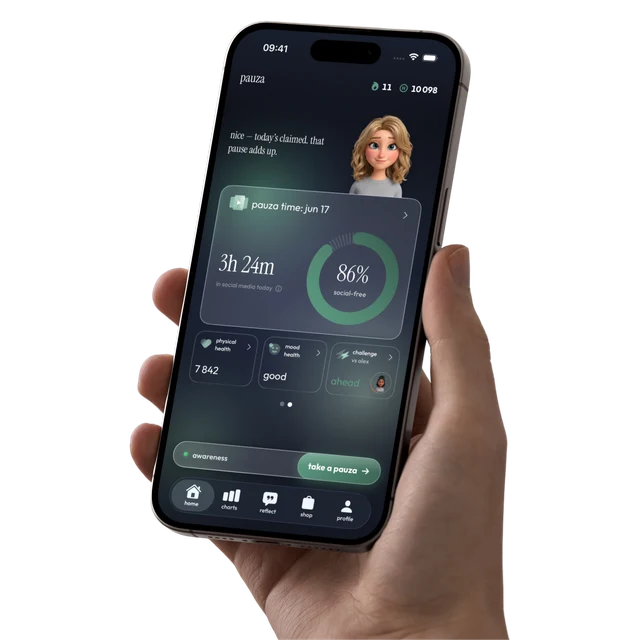
frequently asked questions
Is 'brain rot' a real medical condition?
No, 'brain rot' is not a recognized medical diagnosis. It's a slang term people use to describe feelings of mental fatigue or distraction after heavy screen use.
Can screen time actually damage my brain?
There is no evidence that typical screen use causes permanent brain damage in healthy people. Most negative effects are related to attention and fatigue, not physical harm.
What symptoms are linked to 'brain rot'?
People report feeling mentally foggy, distracted, or less able to focus after long periods online. These effects are usually temporary and improve with breaks and healthy habits.
How much screen time is too much?
There is no universal threshold, but experts recommend paying attention to how screen time affects your sleep, concentration, and mood. Tracking your habits can help you set personal limits.
Can taking breaks from my phone help?
Yes, taking regular breaks and setting boundaries with devices can reduce mental fatigue and help restore focus. Even short periods away from screens can make a difference.
Are some types of screen use better than others?
Yes, passive scrolling of endless short-form content is more likely to leave you feeling foggy than focused activities like reading, learning, or creative projects.
free tools
- screen time calculator — see what your daily hours add up to over a year
- average screen time statistics — how your usage compares to the latest data
- phone habit test — a 2-minute check of your phone habits