social media withdrawal symptoms: what the first two weeks feel like

Social media withdrawal symptoms are the physical and mental effects some people experience when they reduce or stop using social media. These symptoms may include restlessness, anxiety, or irritability, but vary by individual and situation. The science is still emerging, but understanding what to expect can help make the process easier.
Social media withdrawal symptoms are physical or emotional reactions—such as irritability, anxiety, or restlessness—that can occur when someone reduces or stops using social media. These symptoms typically peak in the first days and gradually fade as people adjust to new habits away from digital platforms.
key takeaways
- Social media withdrawal symptoms are real but vary widely from person to person.
- Common symptoms include anxiety, irritability, boredom, and urges to check your phone.
- Most symptoms peak within the first week and usually subside as routines adapt.
- Evidence is growing, but research on digital withdrawal is still limited compared to substance withdrawal.
what are social media withdrawal symptoms?
Social media withdrawal symptoms refer to the uncomfortable feelings or physical sensations that can arise when someone cuts back or stops using social platforms. These might include irritability, restlessness, anxiety, low mood, or even a strong urge to check feeds. While not officially recognized as a clinical disorder, many people describe real discomfort when changing their digital habits.
Withdrawal symptoms are more likely if social media use was frequent or emotionally important. Some people compare the experience to missing out on regular social contact or breaking a habit. The key difference is that these symptoms are related to behavioral change, not a chemical dependence.
Apps like Pauza, which reward time away from your phone, can help you notice and track these shifts in how you feel.
how withdrawal symptoms actually show up
When you first reduce your social media use, withdrawal symptoms can surface both mentally and physically. The most common reports are restlessness, a persistent urge to check your phone, and feelings of boredom or emptiness. For some, anxiety or mood swings may appear, especially if social media was a main source of distraction or comfort.
These symptoms tend to be strongest in the first few days. Over the next two weeks, most people notice the discomfort fading as their routines shift and they find new ways to fill the time. Physical symptoms, like fidgeting or trouble focusing, often mirror the mental urge to check updates.
If you track your screen time, a screen time calculator makes those hours concrete and can help you notice patterns in when withdrawal feels most intense.

what the evidence does and doesn't support
Research into social media withdrawal is still developing. While many people report symptoms, studies on digital withdrawal are small and results are sometimes mixed. Unlike substance withdrawal, there are no standard diagnostic criteria or clear timelines for symptoms.
Still, some patterns are clear: heavy users are more likely to feel withdrawal, and most symptoms are psychological rather than physical. According to DataReportal, the average internet user spends 2 hours and 21 minutes on social media every day, which helps explain why stopping can feel disruptive.
It's important to note that not everyone will experience withdrawal, and the intensity often depends on personal habits, other stressors, and reasons for quitting.
- Symptoms are usually short-lived and fade with time.
- Not everyone will feel withdrawal effects.
- Heavier users generally report stronger symptoms.
- Evidence is mostly based on self-reported experiences.
how to manage symptoms and adjust in practice
If you want to reduce your social media use, a gradual approach works for most people. Start by identifying which apps or times of day are hardest to skip. Use built-in iPhone tools like Screen Time (Settings > Screen Time > App Limits) to create gentle boundaries.
Replace scrolling with another activity—reading, walking, or even short calls with friends. For the first week, expect some discomfort or urges to check your phone. Recognize these as normal signs of habit change, not failure.
Apps like Pauza can make the process more manageable by rewarding your time away from social media and letting you track streaks or even challenge friends to reduce usage together.
- Set daily app limits in iPhone settings.
- Move distracting apps off your home screen.
- Schedule short, specific check-in windows for social media.
- Find offline activities to fill the time you’d usually spend online.
- Use digital wellbeing tools to track your progress.
common misunderstandings about social media withdrawal
One common myth is that social media withdrawal is as severe as withdrawal from substances like nicotine or alcohol. In reality, most symptoms are milder and short-term. Another misconception is that feeling bored or anxious means you’ve failed—these are expected parts of adjusting to new routines.
Some people believe you must quit all platforms at once or forever. In fact, cutting back gradually or experimenting with 'phone-free' periods is often more sustainable. The goal is to find a balance that works for you, not to hit zero usage permanently.
Comparing your experience to the average screen time can help set realistic expectations and avoid unnecessary shame.
tools and next steps for healthier digital habits
If you’re ready to try a break or reduce your use, start by tracking your baseline screen time for a week. This gives you a realistic starting point and helps you notice patterns in your usage.
iPhone’s built-in Screen Time settings let you set app limits and schedule downtime, making it easier to create boundaries. For extra motivation, tools like Pauza turn time away from your phone into in-app tokens and challenges—adding a social or playful element to the process.
Remember that the most important step is to notice how you feel, adjust your approach as needed, and celebrate small wins along the way.
by the numbers
- The average internet user spends 2 hours and 21 minutes on social media every day.— DataReportal, Digital 2025
Curious about how you’d feel with less scrolling? Try Pauza for iPhone to track your progress, build new habits, and make time offline more rewarding.
Get Pauza on iPhone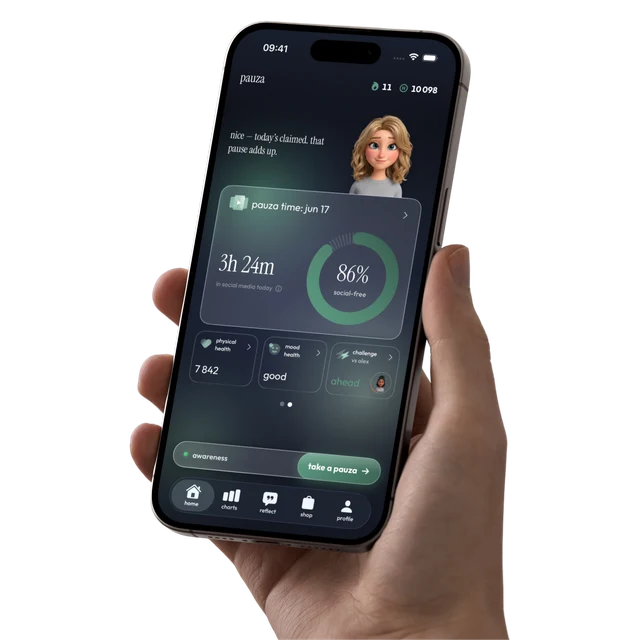
frequently asked questions
Are social media withdrawal symptoms real?
Yes, many people experience real but usually mild symptoms—like irritability, restlessness, or anxiety—when they reduce or stop social media use.
How long do withdrawal symptoms last after quitting social media?
Most symptoms peak in the first few days and fade within two weeks as new routines develop. Some people feel better after a few days, while others may take longer.
What helps with social media withdrawal symptoms?
Replacing scrolling with other activities, setting app limits, and using digital wellbeing tools can help. Tracking your progress and talking to friends about your goals can also make adjustment easier.
Is it better to quit social media all at once or gradually?
This depends on your habits and preferences. Some find a clean break helpful, but most people adjust more comfortably by reducing use gradually.
Can reducing social media really make a difference to wellbeing?
While research is ongoing, many people report lower stress and more free time when they cut back. However, the effects differ for everyone.
Do I need special apps to manage withdrawal?
Not necessarily—iPhone’s built-in Screen Time tools can set boundaries. However, wellbeing apps like Pauza can add structure and motivation if you want extra support.
free tools
- screen time calculator — see what your daily hours add up to over a year
- average screen time statistics — how your usage compares to the latest data
- phone habit test — a 2-minute check of your phone habits