why short-form video is so addictive (and how to break free)

Short form video addiction refers to the compulsive urge to keep watching endless, bite-sized video clips—often at the expense of time, focus, or wellbeing. While the term 'addiction' is sometimes debated, the pull of these apps is real and intentionally engineered. Breaking free begins with understanding how these platforms work, and what we can do to regain control.
Short form video addiction describes the compulsive, hard-to-control habit of watching numerous short video clips, often on platforms like TikTok or Instagram Reels. It’s driven by the design features of these apps and frequent dopamine rewards, which make it difficult to stop scrolling once you’ve started.
key takeaways
- Short form video apps use design tricks to keep you watching.
- The science behind 'addiction' is still evolving—some effects are clear, others less so.
- Practical steps like timers, app limits, and social challenges can help reduce screen time.
- Awareness and small daily changes are more effective than willpower alone.
what is short form video addiction?
Short form video addiction is the pattern of repeatedly watching quick, algorithm-driven video clips—often for much longer than planned. Platforms like TikTok, Instagram Reels, and YouTube Shorts are built to serve an endless stream of content tailored to your interests.
While not a formal clinical diagnosis, the compulsive use of these apps can impact concentration, sleep, and mood for some users. The average internet user spends 2 hours and 21 minutes on social media every day (DataReportal, Digital 2025), and much of this is short-form video.
Apps like Pauza have emerged to help users become more aware of their habits, but the first step is understanding what draws us in.
- Repeated, hard-to-stop viewing sessions
- Loss of time awareness while scrolling
- Neglecting other activities or rest
how short form video apps keep you hooked
Short form video platforms are engineered to maximize attention. They use personalized algorithms to quickly learn your interests and serve you an endless queue of instantly-gratifying clips.
Features like infinite scroll, autoplay, and unpredictable rewards (you never know when the next clip will be extra entertaining) are designed to activate the brain’s reward system. This makes stopping difficult, even when you intend to.
Social cues—such as likes, comments, and trends—add another layer of motivation to keep watching and sharing.
- Algorithmic feeds that adapt to your behavior
- Seamless transitions between videos (no stopping cue)
- Visual and audio novelty to maintain interest
- Social validation through metrics and sharing

what the science does and doesn't say
There’s a growing body of research into how short form videos affect the brain and behavior, but the field is still young. It’s clear that these apps can contribute to compulsive behaviors and distractibility, especially in young people.
However, calling it a true 'addiction' in the clinical sense remains controversial among experts. While some users do report symptoms similar to behavioral addictions (such as loss of control and negative impacts on daily life), more research is needed to distinguish habit from addiction.
We do know that nearly half of U.S. teens (46%) say they are online almost constantly (Pew Research Center, 2024), showing just how embedded these media habits have become.
- Compulsive use and time loss are well-documented.
- Links to mood and attention issues are under study.
- Formal recognition as an 'addiction' is not universal.
how to regain control: practical steps
Breaking free from short form video addiction is about changing your environment and routines—not just relying on willpower. Start by tracking your usage; a screen time calculator makes those hours concrete.
On iPhone, set App Limits: Go to Settings > Screen Time > App Limits > Add Limit, then select the relevant apps. Try reducing notifications or moving apps off your home screen to reduce temptation.
Social accountability also helps. Some apps, like Pauza, turn screen time reduction into a challenge with friends, letting you bet on who can scroll less. Even small daily wins—like 10 extra minutes away—can make a difference.
- Track your actual video time for a week.
- Set daily or weekly limits using device settings.
- Schedule phone-free activities (meals, walks, hobbies).
- Involve friends or family in a friendly challenge.
- Use apps that reward you for staying off social media.
common misunderstandings
Not everyone who enjoys short videos has an 'addiction'; for most, it’s a habit that can be managed. It’s also common to blame users’ willpower rather than the deliberate design of these platforms.
Another myth is that quitting cold turkey is always best. Gradual changes—like reducing by 15 minutes per day—are often more sustainable.
Finally, some believe that only teens are affected. In reality, people of all ages can struggle with compulsive scrolling, though the risks may be greater for younger users.
tools and next steps
If you want to take action, start with small, trackable changes. Review your screen time in Settings, or try an app that turns time away from your phone into a positive experience.
Pauza, for example, rewards you with in-app tokens for time spent off social media, lets you build personal streaks, or challenge a friend to see who scrolls less. Your raw screen time data stays on your device for privacy.
Remember, meaningful change is about awareness and consistency, not perfection. Experiment with different tools, and notice what works for you.
by the numbers
- The average internet user spends 2 hours and 21 minutes on social media every day.— DataReportal, Digital 2025
- Nearly half of U.S. teens (46%) say they are online almost constantly — roughly double the share a decade ago.— Pew Research Center, 2024
Ready to try a new approach? Download Pauza on your iPhone and see how rewarding time away from short form video can feel.
Get Pauza on iPhone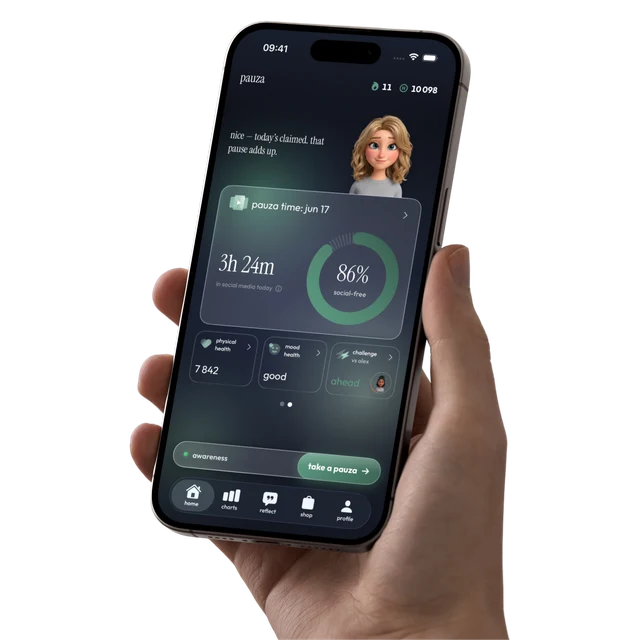
frequently asked questions
is short form video addiction a real medical condition?
While not formally recognized as a clinical addiction, compulsive use of short form video apps can impact wellbeing. Experts debate the terminology, but the underlying behaviors can be disruptive for some.
what apps are most associated with short form video addiction?
Platforms like TikTok, Instagram Reels, and YouTube Shorts are designed around endless, personalized video feeds, making them some of the most habit-forming.
how can i limit my time on short form video apps?
Use your device’s built-in Screen Time or Digital Wellbeing tools to set app limits, turn off autoplay, and schedule phone-free activities. Social challenges or apps that reward time off can also help.
are teens most at risk?
Teens are particularly high users of short form video, but adults can also be affected. The design of these platforms appeals to all ages, though the developing brains of teens may be more susceptible.
does deleting the app work?
For some, deleting the app leads to better focus and less temptation. For others, gradual reduction and accountability are more sustainable. It depends on your habits and personality.
what’s the first step to breaking free?
Track your usage honestly for a few days. Awareness is the foundation for any change, and small tweaks—like moving the app off your main screen—can help disrupt routines.
free tools
- screen time calculator — see what your daily hours add up to over a year
- average screen time statistics — how your usage compares to the latest data
- phone habit test — a 2-minute check of your phone habits