7 common screen time myths, debunked

The most common misconception about screen time is that it’s always bad for you. In reality, not all screen use is equal, and simple limits aren’t a magic fix. This article takes a clear-eyed look at seven screen time myths, offering practical corrections and steps you can actually use.
Screen time myths are widespread misunderstandings about how digital device use affects wellbeing, productivity, and health. Common myths include the idea that all screen time is harmful, that willpower alone is enough to cut back, or that app blockers solve everything. Evidence and practical strategies show a more nuanced reality.
key takeaways
- Not all screen time is equally harmful; context and content matter.
- Willpower alone is rarely enough—environmental changes help more.
- Small, specific adjustments to device settings can make a real difference.
- Social features and positive reinforcement can support lasting habits.
myth: all screen time is equally bad
A widespread screen time myth is that all time spent looking at a screen is inherently harmful. In fact, the impact of screen time depends on both quality and context. Educational, creative, or social uses of technology can support learning and connection.
The American Academy of Pediatrics distinguishes between 'passive' (e.g., endless scrolling) and 'active' (e.g., video calling, learning) screen time. Research highlights that the effects of screens are nuanced—what you do on your device matters as much as how long you do it.
A balanced approach involves being mindful about the type of digital activities you engage in. Apps like Pauza reinforce this by rewarding mindful breaks, not just blocking usage.
- Not all screen time is passive or negative.
- Quality and context of use significantly affect impact.
- Prioritize active, purposeful screen activities.
myth: more willpower fixes it
Many believe that cutting down on screen time is just a matter of personal discipline. In reality, willpower alone is often unreliable—especially since apps are purposefully designed to capture your attention.
Behavioral scientists suggest that adjusting your environment is more effective. For example, move distracting apps off the home screen or use iPhone’s Screen Time settings (Settings > Screen Time > App Limits) to add gentle friction.
Adding social accountability, like sharing goals or betting a friend on who can scroll less, makes habits stickier. Tools like Pauza’s friendly competitions can make this process more engaging.
- Willpower is limited and variable.
- Changing your environment helps break habits.
- Social features or accountability can boost success.

myth: app blockers solve everything
It’s easy to think that simply installing an app blocker or setting a daily limit will automatically fix unhealthy screen habits. But most people override or ignore limits after a few days.
Sustainable change often requires understanding your patterns. Use the iPhone’s Screen Time report (Settings > Screen Time > See All Activity) to notice when and why you reach for your device. A screen time calculator makes those hours concrete.
Combine blockers with positive strategies, like rewarding yourself for time spent off your phone or setting up device-free zones. These practical tweaks are more likely to stick over time.
- App blockers are useful but not a complete solution.
- Self-awareness and positive reinforcement are key.
- Layer multiple tactics for best results.
myth: everyone else has it under control
A common myth is that most people have a healthy relationship with their phones, making those who struggle feel isolated. In truth, heavy screen use is the norm—not the exception.
For example, the average internet user spends 2 hours and 21 minutes on social media every day (DataReportal, Digital 2025). Nearly half of U.S. teens say they are online almost constantly.
Comparing your habits to the average screen time can help set realistic expectations and reduce guilt. Focus on gradual improvements rather than perfection.
- Heavy screen use is widespread.
- Social comparison often underestimates others' challenges.
- Improvement is more important than perfection.
myth: strict digital detoxes are the answer
It’s tempting to try a total digital detox, but these all-or-nothing resets rarely lead to lasting change. Most people return to old habits once the detox ends.
Instead, experts recommend small, sustainable changes. For example, schedule short device-free periods during meals or before bed. Use iPhone’s Downtime feature (Settings > Screen Time > Downtime) to automatically block non-essential apps at set times.
Apps that reward consistent, moderate breaks—like Pauza—can help reinforce these habits without requiring you to quit cold turkey.
myth: kids and teens can self-regulate just like adults
Some believe that with enough instructions, children and teens can manage their own screen time as well as adults. But brain development and peer influence make self-regulation especially tough for younger users.
95% of U.S. teens have access to a smartphone, and nearly half report being online almost constantly (Pew Research Center, 2024). Parental guidance, clear device rules, and built-in controls are essential.
Use Family Sharing and Screen Time controls (Settings > Screen Time > Family) to set age-appropriate limits and review activity together. Open conversations matter more than rigid restrictions.
myth: you have to go it alone
The belief that managing screen time is a solo struggle overlooks the value of community and support. Sharing goals with friends or family boosts accountability and motivation.
Many iPhone apps now offer shared challenges, streaks, or group rewards. For example, Pauza lets you invite friends to friendly bets on screen time—a practical way to make healthy habits social.
Consider joining online forums or local groups focused on digital wellbeing for extra encouragement.
by the numbers
- The average internet user spends 2 hours and 21 minutes on social media every day.— DataReportal, Digital 2025
- Nearly half of U.S. teens (46%) say they are online almost constantly — roughly double the share a decade ago.— Pew Research Center, 2024
- 95% of U.S. teens have access to a smartphone.— Pew Research Center, 2024
Ready to make screen time work for you, not against you? Try Pauza on your iPhone and start building better habits—one mindful minute at a time.
Get Pauza on iPhone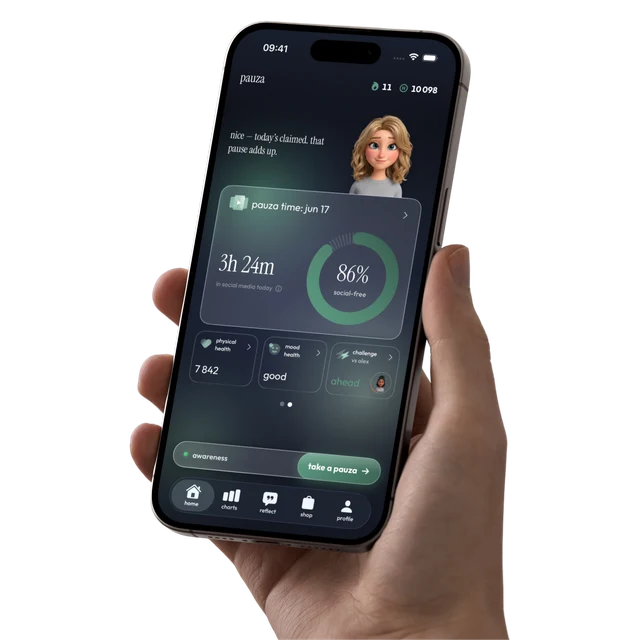
frequently asked questions
How much screen time is considered too much?
There’s no universal cutoff, but experts advise paying attention to how screen use affects your mood, sleep, and daily functioning. Use your iPhone’s Screen Time settings to track patterns and aim for mindful, purposeful use.
Can app blockers really help reduce screen time?
App blockers can help by adding friction, but most people override them unless combined with other strategies, such as positive reinforcement, environment changes, or social accountability.
Is all screen time harmful for kids and teens?
No—educational, creative, and social uses can be positive. However, passive or excessive use—especially before bed—can disrupt sleep or mood. Parental involvement and device settings help maintain balance.
What are some effective ways to cut down on screen time?
Move distracting apps off your home screen, schedule device-free blocks (using Downtime), and try rewarding yourself for off-screen breaks. Sharing goals with others or joining group challenges can also add motivation.
How does social support help with screen time habits?
Social support—like friendly competitions or group challenges—makes changes feel less isolating and more motivating. Positive peer pressure and accountability can reinforce new digital habits.
Do I need to quit my phone entirely to see benefits?
No. Even small changes—such as reducing nightly scrolling or building in short device-free periods—can improve wellbeing. Focus on steady, manageable shifts rather than total abstinence.
free tools
- screen time calculator — see what your daily hours add up to over a year
- average screen time statistics — how your usage compares to the latest data
- phone habit test — a 2-minute check of your phone habits