how to set screen time goals you'll actually keep

The key to setting screen time goals you'll actually keep is to make them specific, realistic, and anchored in your real routines. Most people overestimate their self-control or try to overhaul too much at once, which leads to quick burnout. By focusing on small, measurable changes and using the built-in tools on your iPhone, you can gradually reduce your screen time in a way that lasts.
To set screen time goals you’ll actually keep, start by identifying your real usage patterns and triggers. Set specific, realistic targets—like reducing use by 15–30 minutes or creating device-free windows. Use your phone’s built-in tools for gentle accountability, and regularly adjust your goals to fit your changing routines.
key takeaways
- Start by identifying your true high-use patterns, not just your assumptions.
- Set screen time goals that address your specific triggers and moments, not just daily totals.
- Use iPhone features and apps like Pauza to make sticking to goals more engaging and social.
- Adjust your approach if goals feel overwhelming—small, steady wins build lasting change.
why most screen time goals fail (and what actually works)
Many people set screen time goals based on what they think they should do, not what fits their actual habits. For example, aiming to cut your phone use in half overnight can backfire: you’ll likely feel deprived and quickly slip back into your old routine. Research shows that the average internet user spends 6 hours and 38 minutes online each day, so it’s common to underestimate just how much time is involved (source: DataReportal, Digital 2025).
What works better is targeting the times and apps that really matter to you. Instead of a sweeping ban, choose one or two moments where you want to be more present—a mealtime, a study hour, or right before bed. This makes the change more manageable and helps you notice the benefits sooner.
Apps like Pauza can help reinforce these choices by giving you gentle, meaningful rewards for time away from social media, rather than just blocking apps. The key is to reduce friction: make your new habit feel easier than your old one.
- Don’t try to change everything at once—start small.
- Focus on your real-life routines, not just arbitrary numbers.
- Pick moments that matter most for your wellbeing.
pinpoint your true screen time triggers
Before you set any goal, it helps to know exactly when and why you reach for your phone. Many people are surprised to find their screen time spikes during certain moods—like boredom, stress, or waiting in line. The iPhone’s Screen Time dashboard (Settings > Screen Time > See All Activity) breaks down your usage by app, time of day, and even day of the week.
Look for patterns: Do you scroll social media most after work, or during lunch? Are there certain apps that eat up more time than you realize? Write down a few moments when you tend to lose track of time online.
This step is not about judgment. The goal is to spot your personal triggers so you can set goals that actually address them—not just generic limits that ignore your real habits.

set goals that fit your real life, not someone else’s ideal
Once you know your true usage patterns, choose screen time goals that feel challenging but achievable. Avoid comparing your targets to those of friends, family, or influencers—what works for them may not work for you.
For example, if you currently use your phone for three hours of social media each evening, dropping to 30 minutes overnight is rarely realistic. Instead, try cutting back by 15–30 minutes at a time, or carving out one app-free hour before bed. Even a small reduction can make a noticeable difference.
If you have a particularly sticky habit—like endless late-night scrolling—consider replacing it with a specific alternative (like a book or a short walk) rather than just setting a generic limit.
- Choose one trigger moment to target first.
- Set a concrete, time-bound goal (e.g., no phone during dinner, or 30 minutes less social media after 9pm).
- Adjust your goal upward only once it starts to feel easy.
use your iphone’s built-in tools for gentle accountability
Your iPhone offers several features that make it easier to meet your screen time goals without feeling policed. The App Limits function (Settings > Screen Time > App Limits) lets you set daily caps for specific apps or categories. Downtime (Settings > Screen Time > Downtime) can help you schedule device-free windows, like during meals or before bed.
Notifications can be customized (Settings > Notifications) to reduce temptation. Try disabling banners for your biggest time-wasting apps, or turn off lock screen previews so you’re less likely to get sucked in. These tweaks help you create a phone environment that supports your intentions, not just your impulses.
If you want added motivation, consider inviting a friend or family member to view your Screen Time reports and share theirs in return. The gentle social pressure can make your goals feel more real, and you might discover helpful tips from each other.
make progress feel meaningful, not just measured
Tracking progress is important, but it shouldn’t feel like punishment or a numbers game. Apps like Pauza approach this differently: instead of just blocking apps, Pauza rewards you with in-app tokens for each minute spent away from social media and lets you challenge friends to friendly bets on who can scroll less. The focus is on positive reinforcement and building sustainable streaks—not just restriction.
Remember: tokens in Pauza have no cash value, and your raw screen time data stays on your device, so privacy and wellbeing come first. This makes it easier to experiment with new habits without feeling judged.
If you miss a goal, don’t get discouraged. Reflect on why it happened—was your goal too ambitious? Did an unexpected event throw off your routine? Use these insights to adjust, not abandon, your plan.
adapt and refine your approach as life changes
No screen time goal should be set in stone. Life is unpredictable—holidays, work crunches, or personal changes can disrupt even the best intentions. Review your goals every couple of weeks (using your iPhone’s Screen Time trends or an app like Pauza) to see what’s working and what needs tweaking.
If you find a goal is consistently too tough, scale it back until it feels manageable. On the other hand, if you’re breezing through, challenge yourself a bit further—maybe by adding a new device-free window or tackling a different trigger moment.
The most successful screen time goals are those that evolve with you. Over time, reducing one habit often opens space for another—like more reading, exercise, or simply more mindful downtime.
by the numbers
- People spend an average of 6 hours and 38 minutes online across all devices each day.— DataReportal, Digital 2025
Ready to make your screen time goals stick? Try Pauza for iPhone and see how rewarding unplugging can feel.
Get Pauza on iPhone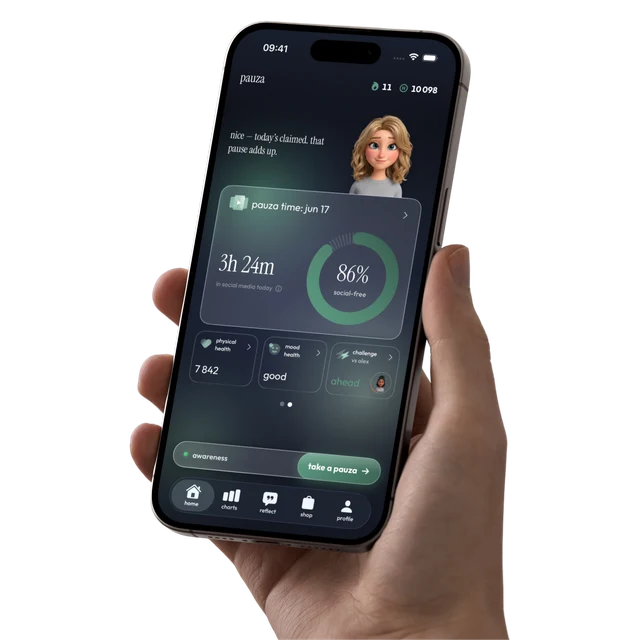
frequently asked questions
What’s a realistic first screen time goal for most people?
Start by reducing your daily screen use by 15–30 minutes, or targeting one specific time (like device-free meals) rather than a big total cut.
How can I tell which apps are my biggest time drains?
Go to Settings > Screen Time > See All Activity on your iPhone. You’ll see a detailed breakdown of your most-used apps and times.
Is it better to use app blockers or rewards-based apps?
Both can help. Some people respond better to gentle rewards (like Pauza’s tokens and social bets), while others prefer strict limits. Try both to see what fits your style.
How often should I review my screen time goals?
Check your progress every 1–2 weeks. Regular reviews help you spot patterns, celebrate wins, and adjust if something isn’t working.
Can screen time goals help with sleep or focus?
Yes, especially if you set goals to reduce phone use before bed or during work/study blocks. Small changes can noticeably improve your sleep and concentration.
free tools
- screen time calculator — see what your daily hours add up to over a year
- average screen time statistics — how your usage compares to the latest data
- phone habit test — a 2-minute check of your phone habits