managing screen time as a student: a practical guide

Managing screen time for students means finding a balance between digital tools and real-world learning. With nearly all teens using the internet daily, it’s easy to feel overwhelmed by constant notifications and social media. This guide offers actionable, honest strategies to help students regain focus without unrealistic promises.
To manage screen time as a student, identify your main distractions, use built-in phone settings to limit non-essential app use, and establish device-free study periods. Combine technology tools with mindful habits to reduce digital interruptions and improve attention for both academic and personal wellbeing.
key takeaways
- Pinpoint your biggest sources of digital distraction before making changes.
- Leverage built-in iPhone settings to set healthy limits on social and entertainment apps.
- Create realistic, device-free study blocks to rebuild focus and reduce stress.
- Try apps like Pauza to turn time away from your phone into small motivational rewards.
why screen time for students matters more than ever
For students, digital devices are both essential tools and sources of distraction. Nearly all U.S. teens (96%) use the internet daily, and 95% have access to a smartphone, making it harder to draw clear lines between productive and unproductive use. Schoolwork, social life, and downtime now often blend together on the same screen.
The average internet user spends over two hours a day on social media alone, with teens reporting even higher numbers for all entertainment media. This level of constant connection can chip away at attention span, sleep quality, and overall wellbeing—especially when notifications and endless feeds are always within reach.
Recognizing these patterns is the first step. Tools like Pauza can help you see where your time goes and gently nudge you toward healthier habits, but understanding your own triggers is just as important.
- School assignments and research often require internet access.
- Social apps and games compete for your attention throughout the day.
- Device use can easily spill over into sleep and study time if unchecked.
identifying your biggest digital distractions
Not all screen time is created equal. For most students, a handful of apps or websites account for the majority of wasted hours. Before trying to cut back, take a week to note which apps pull you in most often and when.
On iPhone, go to Settings > Screen Time > See All Activity. Here, you can view daily and weekly breakdowns by app and category. Look for spikes around homework time or late at night, and notice which notifications prompt you to pick up your phone.
Patterns often emerge: maybe social media is a problem after school, or games eat into your bedtime. Once you know your weak points, you can set targeted limits rather than blanket bans that rarely stick.

using your device’s built-in tools for mindful limits
Most iPhones and iPads offer built-in settings to help manage screen time for students. These tools are underused, but they’re powerful when combined with a clear goal.
To set up App Limits: Go to Settings > Screen Time > App Limits, tap 'Add Limit', select social, entertainment, or gaming categories, and choose a realistic daily cap. For downtime during study hours, use Settings > Screen Time > Downtime to schedule blocks when only essential apps are allowed.
Don’t forget to use 'Always Allowed' to make sure you can still access schoolwork or emergency contacts. Review your limits weekly, adjusting as you notice what works and what doesn’t.
- Open Settings and tap Screen Time.
- Set a Screen Time passcode to prevent easy overrides.
- Add App Limits for your top distractions.
- Schedule Downtime for focused study periods.
- Adjust Always Allowed to ensure access to essentials.
setting up device-free study blocks that stick
Creating genuine device-free time can feel impossible at first, but it’s one of the most effective ways to reclaim focus. Start small: choose one homework session per day when you’ll leave your phone in another room, or use a simple timer for 25-minute 'focus sprints' followed by a short break.
Let friends and family know when you’re unavailable to reduce the urge to check notifications. If you need your device for research, consider airplane mode or turning off Wi-Fi temporarily.
Reward yourself with a short walk or snack after each block, rather than immediately reaching for your phone. Apps like Pauza can add a layer of motivation, gently tracking your time off-screen and turning minutes away from social media into small in-app achievements.
navigating social pressure and digital FOMO
For students, much of social life now happens online. Feeling left out, or 'FOMO', is a real barrier to reducing screen time. It helps to communicate openly with friends about your new boundaries, or even invite them to join you in a challenge to spend less time scrolling.
Focus on quality over quantity: check in with group chats or social feeds at set times instead of reacting to every buzz. If you’re tempted to compare yourself to others’ highlight reels, remind yourself that social media rarely shows the whole picture.
Building off-screen connections—through study groups, clubs, or hobbies—can help fill the gap and make digital breaks feel less isolating.
- Set clear times for checking social messages.
- Share your goals with friends to get their support.
- Replace some online interactions with in-person or voice chats.
making sustainable changes—and when to try extra tools
Lasting improvement comes from many small steps, not overnight overhauls. Review your screen time stats every Sunday: which limits helped, and where did you slip up? If you find yourself bypassing your own restrictions, consider adjusting your approach instead of giving up.
For students who want a bit more structure, apps like Pauza offer a different approach. Instead of just blocking apps, Pauza rewards you for time spent off your phone, lets you challenge a friend to see who scrolls less, and helps build streaks—all while keeping your raw data private and on your device.
Whatever methods you use, remember that occasional setbacks are normal. The key is to adjust, not abandon, your plan. Each week is a new opportunity to rebuild healthy digital habits.
by the numbers
- 96% of U.S. teens say they use the internet every day.— Pew Research Center, 2024
- 95% of U.S. teens have access to a smartphone.— Pew Research Center, 2024
- The average internet user spends 2 hours and 21 minutes on social media every day.— DataReportal, Digital 2025
Ready to take control of your screen time? Try Pauza for iPhone to gently challenge yourself and friends to spend more time off your phone, one day at a time.
Get Pauza on iPhone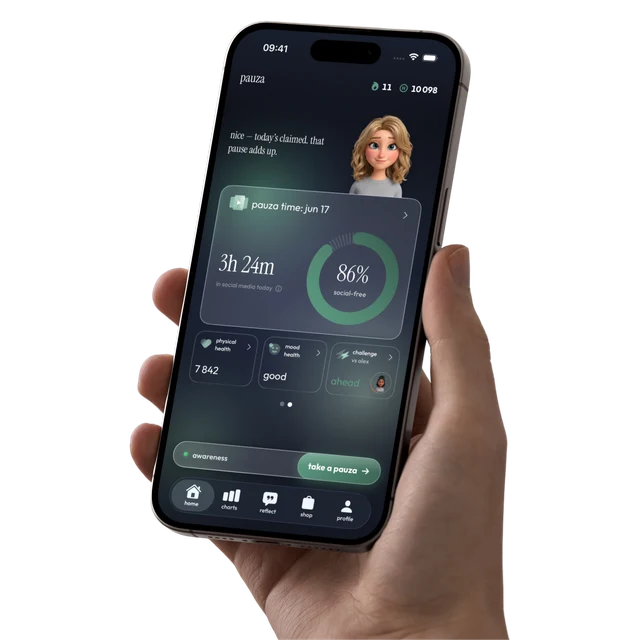
frequently asked questions
How much screen time is too much for students?
There’s no universal number, but if screen use makes it hard to focus, sleep, or complete schoolwork, it’s time to reevaluate. Aim for purposeful use and regular device-free breaks.
What’s the best way to start reducing screen time for students?
Start by tracking your usage for a week to spot patterns. Then, use device settings to set limits on your biggest distractions and try short, regular device-free study periods.
Can reducing screen time really help with studying?
Yes, minimizing distractions from notifications and social media can improve focus and retention. Even small changes, like device-free study blocks, can make a noticeable difference.
What if I need my phone for schoolwork?
Use 'Always Allowed' in Screen Time settings to keep access to educational apps and resources. Consider turning off notifications for non-urgent apps during study hours.
How do I handle social pressure to stay online?
Let friends know about your boundaries and suggest joining you in a screen time challenge. Limit check-ins to set times and prioritize in-person connections when possible.
Are apps like Pauza safe for privacy?
Pauza keeps raw usage data on your device and does not share it externally. Tokens don’t have cash value and cannot be cashed out, so it isn’t gambling.
free tools
- screen time calculator — see what your daily hours add up to over a year
- average screen time statistics — how your usage compares to the latest data
- phone habit test — a 2-minute check of your phone habits