how screen time affects your sleep (and how to fix it)
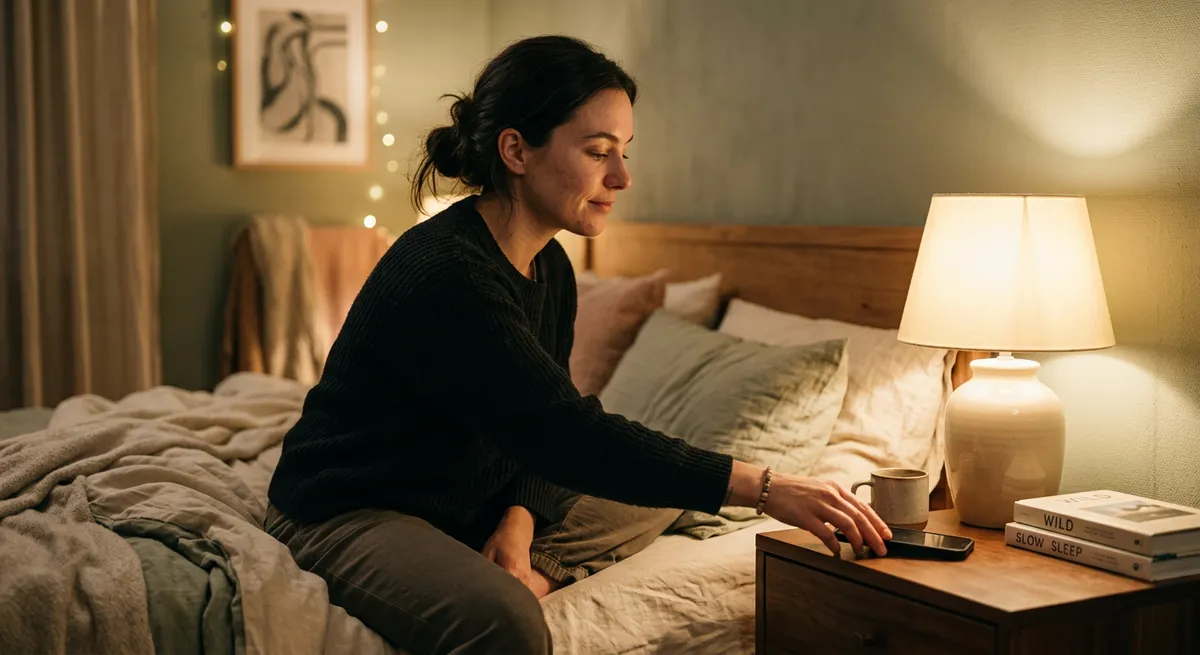
Nearly half of U.S. teens (46%) say they are online almost constantly, according to Pew Research Center. This level of screen time isn’t just a social shift—it’s changing how we sleep. Understanding the link between screen time and sleep is key to making healthier choices for our minds and bodies.
Screen time and sleep are closely linked because exposure to screens, especially before bed, can disrupt melatonin production and delay sleep onset. Reducing evening screen exposure and setting device limits can improve sleep quality and help maintain a healthier sleep cycle.
key takeaways
- High screen time, especially at night, can make it harder to fall and stay asleep.
- Nearly half of U.S. teens report being online almost constantly, showing widespread exposure.
- Reducing device use before bed and using iPhone settings can meaningfully improve sleep.
- Small, consistent steps—like setting app limits or using digital wellbeing tools—make a difference.
screen time is at an all-time high
The numbers on device use are striking. According to Pew Research Center, nearly half of U.S. teens (46%) say they are online almost constantly—a figure that has doubled in the past decade. The average internet user now spends 2 hours and 21 minutes per day on social media alone (DataReportal, Digital 2025).
With so much of our day spent looking at screens, it's no surprise that digital habits are affecting sleep for people of all ages. Apps like Pauza have emerged to help users become more mindful of their time online, but the core issue is broader: constant connectivity is now the norm.
Understanding these usage patterns is the first step toward recognizing how they might impact sleep.
- 46% of U.S. teens are online almost constantly (Pew Research Center, 2024)
- 2 hours and 21 minutes is the average daily time spent on social media (DataReportal, Digital 2025)
why screen time affects sleep
Screen exposure, especially from phones and tablets, can disrupt the production of melatonin—a hormone that helps regulate sleep-wake cycles. Blue light from screens is a significant culprit, signaling the brain that it's still daytime and making it harder to wind down.
Beyond melatonin, engaging with stimulating content (like social media feeds or news) can keep the mind alert when it should be slowing down. This can delay both falling asleep and reaching deeper, restorative stages of rest.
The impact is often stronger at night, when the brain needs signals that it's time to rest, not be active and engaged.

who is most affected by high screen time
Teens are at the forefront: 95% of U.S. teens have access to a smartphone, and 96% use the internet daily (Pew Research Center, 2024). These figures highlight just how embedded screens are in young people's lives, especially during critical years for brain and sleep development.
But it’s not just teens. Adults are also spending increasing amounts of time online—an average of 6 hours and 38 minutes daily across all devices (DataReportal, Digital 2025). Late-night use for work, entertainment, or social media can interfere with anyone’s ability to fall asleep.
People who use screens in the hour before bed, shift workers, and those with irregular routines are most likely to experience sleep disruption.
- 95% of U.S. teens have access to a smartphone
- 96% of U.S. teens use the internet every day
- Adults average 6 hours and 38 minutes online daily
what this means for your day-to-day life
Poor sleep linked to high screen time can show up as trouble waking up, daytime sleepiness, irritability, and reduced focus. Over time, this can affect learning, work performance, and even mood.
The temptation to check notifications or scroll late at night can also eat into the hours available for sleep, compounding the problem. Even small reductions in nightly sleep can add up, impacting physical and mental health.
Recognizing the connection between your digital habits and your sleep patterns is a practical first step toward change.
practical steps to reduce screen time and improve sleep
Small, specific changes can make a big difference. For iPhone users, try setting a 'Downtime' schedule in Settings > Screen Time > Downtime. This feature automatically blocks selected apps and notifications after a chosen hour.
Use Night Shift (Settings > Display & Brightness > Night Shift) to reduce blue light in the evening, or activate 'Dark Mode' for less eye strain. Consider setting app limits for social media or entertainment (Settings > Screen Time > App Limits) to gently nudge yourself offline as bedtime approaches.
Digital wellbeing apps like Pauza can help by rewarding minutes spent away from your phone, offering gentle encouragement to put devices down. For families, try a nightly device 'curfew'—leaving phones outside the bedroom and reading or relaxing instead.
Track your progress weekly, and notice how you feel. Even 30 minutes less screen time per night can add up to more restful sleep.
- Set 'Downtime' and app limits in iPhone Screen Time settings.
- Enable Night Shift or Dark Mode in the evening.
- Try using a digital wellbeing app to motivate breaks.
- Leave devices outside the bedroom at night.
- Track changes and reflect on sleep quality.
by the numbers
- Nearly half of U.S. teens (46%) say they are online almost constantly — roughly double the share a decade ago.— Pew Research Center, 2024
- The average internet user spends 2 hours and 21 minutes on social media every day.— DataReportal, Digital 2025
- 95% of U.S. teens have access to a smartphone.— Pew Research Center, 2024
- 96% of U.S. teens say they use the internet every day.— Pew Research Center, 2024
- People spend an average of 6 hours and 38 minutes online across all devices each day.— DataReportal, Digital 2025
Ready to see if less screen time helps you sleep better? Try Pauza for iPhone to make mindful breaks a rewarding part of your nightly routine.
Get Pauza on iPhone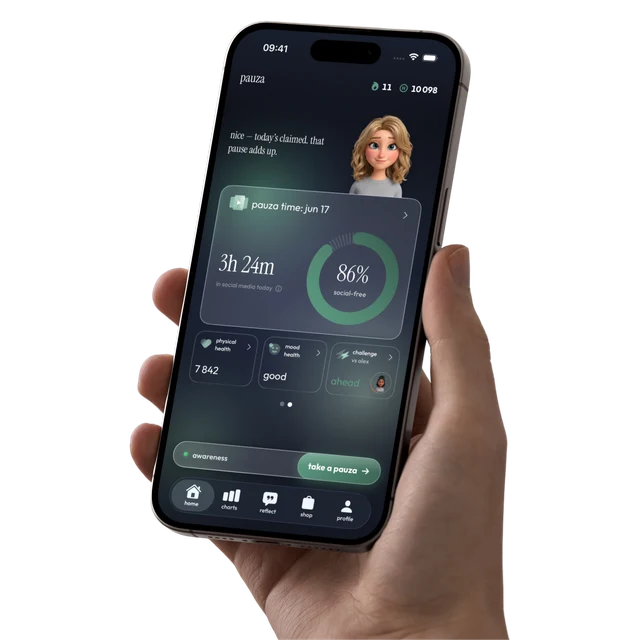
frequently asked questions
How does blue light from screens affect sleep?
Blue light from screens can suppress melatonin production, making it harder for your body to recognize that it's time to wind down. This can delay sleep onset and reduce overall sleep quality.
What are the best iPhone settings to reduce screen time before bed?
Use 'Downtime' to block apps at night, enable 'Night Shift' to cut blue light, and set app limits for social media. These tools can be found in Settings > Screen Time and Settings > Display & Brightness.
Does reducing screen time really help you sleep better?
Many people find that cutting back on screens—especially in the hour before bed—makes it easier to fall asleep and wake feeling more rested. Individual results vary, but the science supports this approach.
Are any age groups more vulnerable to sleep problems from screen use?
Teens and children are more sensitive to the effects of blue light and late-night screen use, as their sleep cycles are still developing. However, adults can also experience disrupted sleep from excessive device use.
Can digital wellbeing apps really help reduce screen time?
Apps that track and reward time away from screens, like Pauza, can provide helpful motivation and awareness. The most effective approach combines app features with mindful routines and consistent boundaries.
Should I keep my phone out of the bedroom?
Keeping devices out of the bedroom is a simple strategy to reduce temptation and improve sleep hygiene. Try leaving your phone to charge overnight in another room if possible.
free tools
- screen time calculator — see what your daily hours add up to over a year
- average screen time statistics — how your usage compares to the latest data
- phone habit test — a 2-minute check of your phone habits