is brain rot real? what researchers actually say

The most common misconception about 'brain rot' is that spending time online physically damages your brain in a permanent way. In reality, the effects of screen time are far more nuanced and depend on how, what, and why you use your devices. This article separates myth from fact, offering practical, evidence-based insights into digital wellbeing.
The term 'brain rot' is not a scientific diagnosis. While excessive screen time can affect attention, mood, and sleep, research does not support the idea that it causes permanent brain damage. Digital habits matter, but thoughtful use and regular breaks can help maintain mental wellbeing.
key takeaways
- There is no scientific evidence that screens cause irreversible 'brain rot'.
- Quality and purpose of screen time matter more than sheer hours spent.
- Simple changes—like scheduled breaks and app limits—help maintain focus.
- Tracking your actual screen time can clarify habits and guide healthier choices.
myth: all screen time leads to brain rot
Many people believe that every hour online is harmful, regardless of context. The reality is more nuanced: not all screen time is equal. Using your phone to connect with friends, learn new skills, or relax can have positive effects.
Researchers emphasize that the way you use your device—active learning versus passive scrolling—makes a difference. For example, reading an article, video calling a loved one, or organizing your schedule can be mentally stimulating and even reduce stress.
Instead of focusing only on total screen hours, pay attention to the content and purpose of your digital time. Apps like Pauza can help you reflect on how you spend time away from your phone, encouraging more mindful habits.
- Not all screen use is passive or harmful.
- Purposeful, interactive use can be beneficial.
- Monitor not just time, but quality of online activity.
myth: brain rot means permanent brain damage
The phrase 'brain rot' suggests irreversible harm, but there is no scientific evidence supporting the idea that normal digital habits cause lasting brain damage. Studies show that while excessive screen time can influence focus, mood, and sleep, these effects are typically reversible with behavior change.
Neuroscientists have found that the brain remains adaptable throughout life—a concept called neuroplasticity. This means you can strengthen attention, memory, and other skills by practicing healthier habits offline and online.
If you're concerned about your focus or memory, try simple strategies like scheduling device-free periods or using your iPhone's Screen Time settings (Settings > Screen Time > App Limits) to set boundaries. Most people notice improvement when they rebalance their habits.

myth: only kids and teens are at risk
It's easy to assume that 'brain rot' is a problem for children and adolescents alone. In fact, adults of all ages are affected by their digital habits. According to DataReportal, people spend an average of 6 hours and 38 minutes online across all devices each day.
Teens may be particularly visible in the conversation—especially as 95% of U.S. teens have access to a smartphone—but adults also face challenges like digital overload and distraction. The risks and benefits of screen time depend more on patterns of use than on age.
No matter your age, tracking your habits—using tools like an iPhone screen time calculator—can help you spot trends and make changes if you notice your attention or mood slipping.
- Digital wellbeing is important for all ages.
- Adults also spend significant time online.
- Awareness and boundaries help at every stage of life.
myth: more willpower is the only fix
Many people blame themselves for lacking willpower when they struggle to reduce screen time. However, research shows that digital platforms are designed to capture and hold your attention, making it hard to unplug through self-control alone.
Instead, environment and structure are more effective than sheer willpower. Try practical steps: turn off non-essential notifications (Settings > Notifications), use app timers, or keep your phone out of reach during focused work or rest.
Supportive tools can make these changes easier. For example, Pauza rewards you for time spent off your phone, turning breaks into a positive feedback loop rather than a struggle.
myth: taking long breaks is the only way to reset your brain
Some believe you need a full digital detox to avoid 'brain rot', but research suggests that regular, short breaks are often more effective for maintaining focus and wellbeing. Building small pauses into your day—like a five-minute walk or turning your phone face down during meals—can help refresh your mind without drastic changes.
Apple's Screen Time features make it easy to schedule downtime or app limits (Settings > Screen Time > Downtime). These small adjustments add up over time, making your device use more intentional.
If you want extra motivation, consider friendly challenges with friends to see who can reduce their screen time the most. Apps that reward device-free moments can add a sense of fun and accountability.
- Small, regular breaks are effective for mental clarity.
- You don't need an all-or-nothing approach.
- Use device features and habits to build in pauses.
by the numbers
- People spend an average of 6 hours and 38 minutes online across all devices each day.— DataReportal, Digital 2025
- 95% of U.S. teens have access to a smartphone.— Pew Research Center, 2024
Curious about your own habits? Try Pauza on your iPhone to turn screen-free moments into a positive, mindful routine.
Get Pauza on iPhone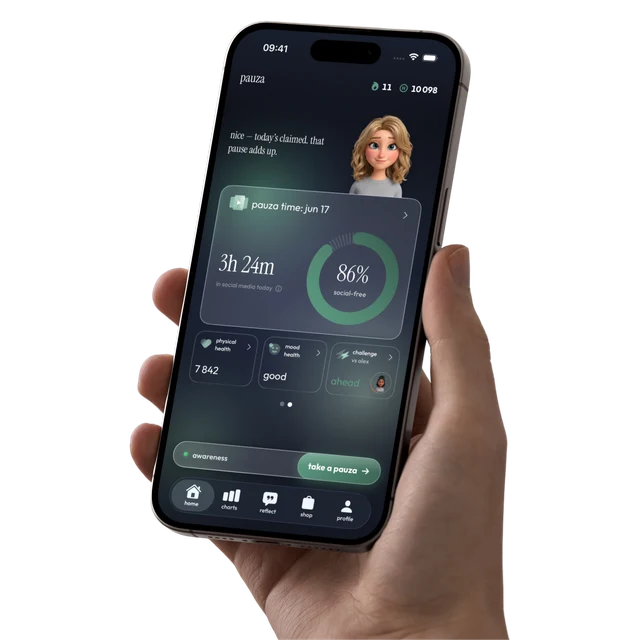
frequently asked questions
what does 'brain rot' actually mean?
It's an informal term people use to describe feeling mentally foggy or distracted after long periods of screen time. It is not a medical or scientific diagnosis.
how much screen time is too much?
There is no universal cutoff, but many experts recommend taking regular breaks and being mindful of how screens affect your sleep, mood, and attention.
can adults get 'brain rot' from screens?
Adults can experience digital fatigue, distraction, or sleep issues from excessive screen time—just like younger people. The effects depend on your habits, not your age.
is social media use always harmful?
Not always. Connecting with friends or learning new things can be positive. Problems usually arise from mindless scrolling or using social media as a substitute for real-world interactions.
how can I track my screen time accurately?
Use your iPhone’s built-in Screen Time feature (Settings > Screen Time), or try a screen time calculator for more detailed insights into your habits.
does going offline improve focus right away?
Many people notice improved focus and mood after even short breaks from screens. Consistency matters—regular pauses are more effective than a one-time detox.
free tools
- screen time calculator — see what your daily hours add up to over a year
- average screen time statistics — how your usage compares to the latest data
- phone habit test — a 2-minute check of your phone habits