how to track your screen time without giving up your privacy

You can track your screen time privately on your iPhone with a few careful choices. Modern tools let you monitor your digital habits without your data ever leaving your device. This guide explains practical ways to see your screen time while keeping your personal information secure.
To track screen time privately, use built-in device settings or privacy-focused apps that keep your data on your phone. Avoid tools that require cloud sync or external accounts. Look for features that measure usage locally and let you review trends without exporting your raw activity data.
key takeaways
- You can monitor screen time without sharing your data beyond your device.
- Built-in iPhone settings offer private tracking with no external sync required.
- Some third-party apps, like Pauza, keep your usage data local for added privacy.
- Understand app permissions to make informed choices about your digital wellbeing.
why privacy matters when tracking screen time
Tracking your screen time can help you understand and manage your digital habits, but it often comes with a trade-off: your personal data. Many apps collect usage information, sometimes syncing it to the cloud or external servers for analysis. This can expose sensitive details about your daily routines, interests, and even your location.
Reports of data misuse and breaches have made privacy a growing concern, especially for those monitoring health and wellbeing. When tracking something as personal as your attention, you deserve control over where that information goes.
The good news is that it's possible to track screen time privately. By choosing methods and apps that keep your data on your device, you gain insights into your habits without risking unnecessary exposure. Some privacy-focused apps, such as Pauza, never send raw usage data off your iPhone.
the safest way: using iphone’s built-in screen time tools
Apple’s built-in Screen Time feature is one of the most private ways to track your digital usage. All data stays on your device and is protected by your iPhone’s security settings. No usage details are uploaded to Apple’s servers unless you choose to sync across devices using iCloud.
To get started, go to Settings > Screen Time. Here, you can view daily and weekly summaries, check which apps use the most time, and set limits or downtime. If you want complete privacy, leave iCloud sync off (Settings > [your name] > iCloud > Screen Time: Off).
If you share your device or use Family Sharing, be aware that enabling those features may share some screen time information with other family members. For solo users, keeping all Screen Time settings local is the most private option.
list
- Open Settings on your iPhone.
- Tap Screen Time.
- Review your usage under 'See All Activity.'
- Keep iCloud sync for Screen Time turned off for maximum privacy.
how third-party apps handle your usage data
Many screen time apps offer extra features, but they may process your data differently. Some require you to create an account, sync data to their servers, or even analyze your patterns externally. Before installing any third-party screen time tracker, read the privacy policy to see if your raw data ever leaves your device.
Look for apps that are clear about local-only data processing. For example, Pauza stores your raw screen time data entirely on your iPhone, only sharing anonymized, non-identifiable trends if you opt into specific features. This approach puts you in control, letting you use rewards and challenges without exposing your personal habits.
If you want to compare your data to broader trends, some apps offer ways to see how your usage stacks up against the average screen time. However, always check how this comparison is handled—true privacy means your detailed data isn’t sent elsewhere.
choosing the right permissions and settings
Your privacy depends on the permissions you grant. When installing any screen time app, review the access it requests. Does it ask for location, contacts, or unnecessary internet permissions? The fewer permissions needed, the safer your personal data will be.
On iPhone, you can check app permissions in Settings > Privacy & Security. Revoke any access you don’t need. For most screen time trackers, only Usage or Screen Time access should be required—avoid apps that ask for more unless you understand why.
Regularly review your privacy settings, especially after app updates. Developers sometimes add new features that require additional data, so it pays to stay vigilant.
- Only grant the minimum permissions necessary.
- Review permissions after every major update.
- Use apps that are transparent about their data practices.
tips for tracking screen time without cloud sync
Cloud sync can be useful when switching devices, but it often means your data is stored off your phone. If privacy is your priority, keep all tracking local. Most iPhone users can easily do this by disabling iCloud for Screen Time and avoiding apps that require online accounts.
Some privacy-focused apps let you back up or export summaries (not raw data) to your device’s storage, if you want a record without sharing it online. Always read the export options carefully—select summaries instead of detailed logs to minimize risk.
If you want extra motivation, look for apps that reward time away from your phone without needing external servers. For example, Pauza lets you earn in-app tokens for screen-free time, build streaks, and even compete with friends, all while keeping your data local and private.
understanding your screen time: making private progress
Tracking your screen time is only useful if you can turn that insight into real changes. Private tracking means you don’t have to trade security for self-improvement. Review your weekly reports and notice patterns—for example, if social media use spikes on weekends, or if your total is above the average screen time of 2 hours and 21 minutes per day (DataReportal, Digital 2025).
You can use a screen time calculator to make those hours concrete and set personal targets. Adjust your habits gradually, and celebrate small wins without feeling watched or judged. Private tracking gives you a safe space to experiment and find what works for you.
If you want to take things further, some apps offer friendly bets or group challenges that don’t require sharing your data. Look for these as a way to stay motivated, but always confirm that your usage details remain private.
by the numbers
- The average internet user spends 2 hours and 21 minutes on social media every day.— DataReportal, Digital 2025
If you want to track your screen time while keeping your data private, try Pauza on your iPhone today.
Get Pauza on iPhone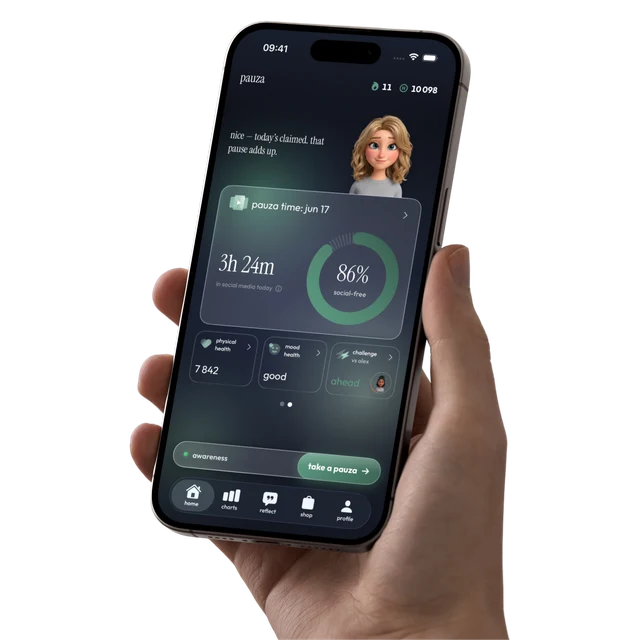
frequently asked questions
Can I track my iPhone screen time without using any app?
Yes, you can use the built-in Screen Time feature in iOS. It tracks your usage locally and doesn’t require any extra apps, keeping your data private on your device.
Are third-party screen time apps safe for privacy?
Some are, but always check their privacy policies. Choose apps that store data locally, don’t require accounts, and disclose exactly how your information is handled.
What permissions should a private screen time app require?
The app should only need access to your device’s usage or Screen Time statistics. Be wary if it requests access to contacts, location, or other personal information.
How can I avoid sharing my screen time data with Apple?
Turn off iCloud sync for Screen Time in your device settings. This keeps all your usage reports on your phone and out of the cloud.
Is it possible to compare my screen time to average use without sharing my data?
Yes, some apps and tools let you compare your usage to published averages without uploading your details. Look for features that use local data only.
Does using Family Sharing affect my screen time privacy?
Yes, enabling Family Sharing can allow other family members to view your screen time reports. For full privacy, use Screen Time independently.
free tools
- screen time calculator — see what your daily hours add up to over a year
- average screen time statistics — how your usage compares to the latest data
- phone habit test — a 2-minute check of your phone habits