how to stop scrolling reels and tiktok for hours

To stop scrolling Reels and TikTok for hours, you need to understand why these apps are so sticky, limit their triggers, and use practical iPhone tools to interrupt the cycle. Real change comes from shifting your environment and habits, not just relying on willpower. Here’s how to break the scroll and reclaim your time.
To stop scrolling Reels and TikTok for hours, disable autoplay, remove easy-access shortcuts, use iPhone Screen Time limits, and create friction before opening these apps. Replace endless scrolling with intentional activities and set up device-based rewards for time spent away.
key takeaways
- Turn off autoplay and app notifications to reduce temptation.
- Move Reels and TikTok off your home screen and use Screen Time limits.
- Replace mindless scrolling with specific, enjoyable offline activities.
- Track your usage to spot patterns and set realistic daily goals.
why reels and tiktok are so hard to put down
Short-form video apps like Reels and TikTok are designed for endless engagement. The infinite scroll and algorithmic feeds serve up fresh content every time you swipe, which makes it easy to lose track of time. Built-in features like autoplay and tailored recommendations keep your brain chasing the next dopamine hit.
According to DataReportal, the average internet user spends 2 hours and 21 minutes on social media every day. That’s time that often feels like it vanished in a blink, especially with short, looping videos. Recognizing these built-in hooks is the first step to changing your relationship with these platforms.
Apps like Pauza work by rewarding you for time spent away, providing a small nudge to break the cycle. But understanding the mechanics behind the scroll—like why you reach for your phone when bored or stressed—makes it easier to spot moments when you can intervene.
- Infinite scroll keeps you engaged without natural stopping points.
- Autoplay removes decision-making and draws you deeper.
- Notifications and badges trigger habitual opening.
- Personalized feeds make every visit feel rewarding.
create friction: make scrolling less automatic
Stopping the habit starts with making it less convenient. Move Reels and TikTok off your home screen so they're no longer the first thing you see. Disable Siri Suggestions for these apps to prevent them popping up based on your routine.
Remove saved Face ID/Touch ID access if you use App Lock features within the apps. If you find yourself opening social apps unconsciously, even a few extra taps or swipes can disrupt the autopilot loop.
Small environmental changes break the chain between boredom and scrolling. For example, putting your phone in another room or inside a bag when you want to focus helps you stay present.
- Press and hold the app, tap 'Remove from Home Screen'.
- Go to Settings > Siri & Search, turn off 'Show App in Search' and 'Show on Home Screen'.
- Turn off notifications in Settings > Notifications > [App Name].
- Set your phone to grayscale (Settings > Accessibility > Display & Text Size > Color Filters).

disable autoplay and notifications
Autoplay is a major driver of endless scrolling. Both Instagram and TikTok allow you to limit or mute autoplay features in their settings. For Instagram, go to Settings > Account > Cellular Data Use and turn on 'Use Less Data'—this pauses video autoplay when you're on mobile data. On TikTok, tap Profile > Settings and Privacy > Data Saver.
Disabling notifications reduces the urge to check the apps in the first place. On iPhone, go to Settings > Notifications, select each app, and turn off 'Allow Notifications'. You can also mute notification sounds and badges for a less tempting lock screen.
If you use Focus modes, set them to block social media notifications during work or study hours. Even one less alert can help you break the cycle and reclaim your attention.
use iphone screen time tools strategically
iPhone’s Screen Time lets you set daily limits for specific apps. Go to Settings > Screen Time > App Limits, choose Instagram or TikTok, and set a realistic daily cap—start with 30–60 minutes. When the limit is up, you’ll get a reminder and the app will gray out, making it easier to pause.
You can also use Downtime (Settings > Screen Time > Downtime) to block access to these apps during certain hours, like before bed. For extra accountability, enable Screen Time passcode so it takes a second thought to override your limits.
Comparing your usage to the average screen time can help you set more meaningful goals. A screen time calculator makes those hours concrete, offering a baseline to improve from.
- Open Settings > Screen Time on your iPhone.
- Tap 'App Limits', then 'Add Limit', and select Reels/TikTok.
- Set a time limit (e.g., 45 minutes).
- Enable a Screen Time passcode for enforcement.
find better swaps: what to do instead of scrolling
Replacing scrolling with something that genuinely holds your attention is key. Instead of reaching for your phone, try activities with a clear start and finish: reading a short article, walking around the block, or doing a five-minute stretch.
Make a list of offline alternatives you actually enjoy, and keep it visible—on a sticky note or in your reminders app. This makes it easier to choose what’s next when the urge to scroll hits.
If you’re with friends or family, suggest something interactive, like a game or cooking together. Social connection is one of the main draws of platforms like TikTok, so finding that offline can help fill the gap.
track your progress and build accountability
Monitoring your progress makes change feel more real. Check your iPhone’s Screen Time stats every few days to spot patterns, like certain times of day when you’re most susceptible to scrolling. Noticing trends is more useful than focusing on slip-ups.
Apps like Pauza add a layer of motivation by rewarding time spent away from your phone. You can build streaks, earn in-app tokens for minutes offline, and even challenge friends to see who can scroll less—making screen time reduction more engaging.
Consider sharing your goals with a trusted friend or family member. A small support system, even just one person, can make it easier to stick with your new habits.
by the numbers
- The average internet user spends 2 hours and 21 minutes on social media every day.— DataReportal, Digital 2025
Ready to see how much time you can reclaim? Try Pauza on your iPhone and start rewarding yourself for every minute off the scroll.
Get Pauza on iPhone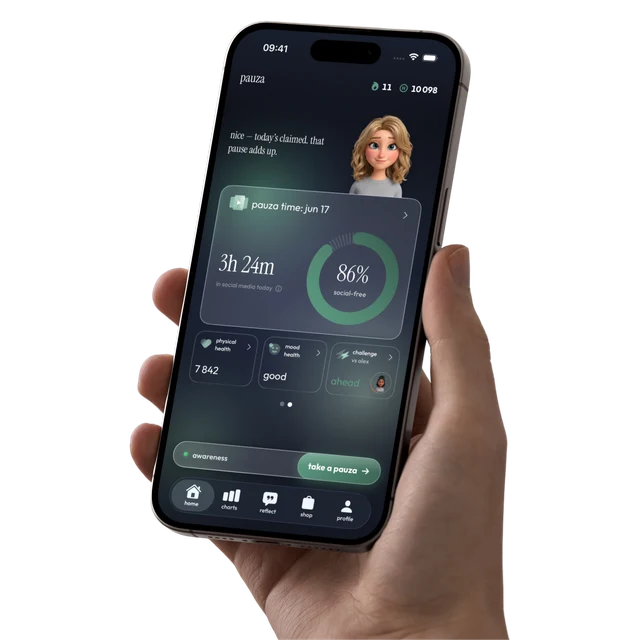
frequently asked questions
Why do I lose track of time when scrolling Reels and TikTok?
Reels and TikTok use infinite scroll, autoplay, and personalized content feeds that make it easy to keep watching without natural stopping points. These features are designed to hold your attention and trigger dopamine-driven reward cycles.
What iPhone settings help limit my scrolling?
Use Screen Time to set daily limits and Downtime to block access during certain hours. Move the apps off your home screen, turn off notifications, and consider enabling grayscale mode to make your phone less appealing.
How do I disable autoplay on Instagram or TikTok?
On Instagram, enable 'Use Less Data' in Settings > Account > Cellular Data Use to limit autoplay. On TikTok, go to Profile > Settings and Privacy > Data Saver. Both settings reduce video autoplay, especially on mobile data.
What can I do instead of scrolling short videos?
Swap scrolling for activities you enjoy, like reading a book, taking a walk, cooking, or connecting with friends offline. Keep a visible list of these alternatives to make them the easy choice when you feel the urge to scroll.
Is there a way to make screen time reduction more fun?
Yes, some apps reward you for staying off your phone, letting you build streaks or challenge friends. While these rewards are not monetary, they can make breaking the scrolling habit feel more engaging and social.
How long does it take to change my scrolling habits?
It varies for everyone, but starting with small changes—like moving apps or setting screen time limits—often leads to visible progress within a week. Consistency and self-compassion matter more than perfection.
free tools
- screen time calculator — see what your daily hours add up to over a year
- average screen time statistics — how your usage compares to the latest data
- phone habit test — a 2-minute check of your phone habits