how to stop checking your phone first thing in the morning

To stop checking your phone in the morning, make your device less accessible, set clear boundaries, and replace the habit with a more intentional routine. The urge to scroll right after waking up is common, but small changes to your environment and mindset can help you start your day with focus and calm.
To stop checking your phone in the morning, place your device physically out of reach before bed, disable notifications and tempting features, and set up an intentional alternative routine for your first waking moments. These changes break automatic scrolling and help create a more mindful start.
key takeaways
- Physical distance is one of the most effective ways to break the morning phone habit.
- Adjusting iPhone settings like Do Not Disturb reduces early-morning temptation.
- Replacing phone time with a specific alternative makes the new habit stick.
- Tracking your progress with apps or a screen time calculator provides useful feedback.
why mornings are especially vulnerable to phone overuse
Checking your phone first thing in the morning is more than just a habit—it’s a reward loop triggered by curiosity and notifications. Overnight, your brain resets, and the urge for fresh stimulation is strong as soon as you wake up. Social media, email, and news apps are designed to catch your attention immediately.
This vulnerability is partly biological. Your brain’s prefrontal cortex, which manages self-control, is not fully active right after waking. That’s why you’re more likely to fall into autopilot, reaching for your phone without thinking. The average internet user spends 2 hours and 21 minutes on social media every day, and many of those minutes start before getting out of bed (source: DataReportal, Digital 2025).
Recognizing this pattern is the first step. Instead of blaming willpower, focus on how your environment and routine set you up for this behavior. Apps like Pauza can help by tracking your time away from your phone and rewarding mindful choices, but changing your environment is the real foundation.
change your phone’s home and sleep location
The simplest way to stop checking your phone in the morning is to not have it within arm’s reach. Charging your phone next to your bed makes it the first thing you touch. Moving it to a different room or at least across the bedroom creates a moment of pause between waking up and using it.
If you currently use your phone as an alarm clock, consider a basic alarm clock or a smart speaker with alarm functionality. This makes it easier to leave your phone elsewhere overnight. For iPhone users, setting up Sleep Focus in Settings > Focus > Sleep, and customizing allowed apps, can further reduce temptation when you first wake.
Small changes in phone placement can have a big impact. Even putting your device in a drawer or on a high shelf forces a moment of intention—enough to question whether you really need it right away.
- Decide where your phone will sleep—ideally outside the bedroom.
- Set up a non-phone alarm.
- Move your charger if needed.
- Establish a spot for your phone that’s out of sight and out of reach.

use iphone settings to reduce morning triggers
iPhones come with built-in features to help reduce unwanted usage, especially in the morning. Start by enabling Do Not Disturb or Sleep Focus (Settings > Focus > Sleep) to silence notifications until a set time. This prevents early alerts from pulling you in before you’re ready.
You can also hide attention-grabbing apps by moving them to a separate folder or a different home screen page. For stronger boundaries, use Screen Time (Settings > Screen Time > App Limits) to restrict access to social or news apps until your chosen hour.
If you often wake up to check the time and get drawn into notifications, try turning on the Always On Display’s minimal view (for compatible iPhones) or using Bedside Mode. These options show only the essential info, keeping distractions at bay.
- Enable Sleep Focus to silence notifications until after your morning routine.
- Set app limits for specific categories (social, news, games) in Screen Time.
- Move distracting apps out of sight or off the main home screen.
- Turn on grayscale mode for a less stimulating lock screen.
replace the habit with a new morning anchor
Habits are easier to break when you replace them with something new, not just remove them. Instead of just avoiding your phone, give yourself a simple, appealing task to do first thing—like stretching, making your bed, or stepping outside for fresh air.
The key is specificity. Vague intentions (‘I’ll do something else’) rarely work. Pick a concrete activity and make it your new anchor. This helps rewire the automatic association between waking up and reaching for your phone. If you want a fuller blueprint for what to replace scrolling with, Mini Loops has a practical guide to building a morning routine without a 5am start—built around one small anchor habit at a time rather than a full routine overhaul.
A visual cue helps: lay out a book, notebook, or even your running shoes where your phone used to be. Over time, your brain starts to crave the new habit instead of the old scroll.
track your progress—and expect setbacks
Making changes to your morning routine takes time. Tracking your progress can keep you motivated and give you useful feedback. Use iPhone’s Screen Time reports (Settings > Screen Time > See All Activity) to monitor your first-hour usage. A screen time calculator makes those minutes concrete and shows patterns you might miss.
Don’t expect perfection right away. Missing a day or slipping back into old habits is normal—what matters is noticing the pattern and returning to your goal. Some people find it helps to jot down how they feel on mornings they skip the phone; often, there’s a sense of calm or productivity that builds over time.
Tools like Pauza can support your progress by rewarding time spent away from your device and letting you challenge friends to healthy competition. The sense of accountability and visible streaks can make the process more engaging.
get others involved and make it social
Changing habits often sticks better when you involve others. Let your partner, housemate, or family know you’re working to stop checking your phone in the morning. This brings a layer of accountability and might even inspire them to join you.
If you enjoy a bit of friendly competition, consider setting up a challenge—who can go the longest before checking their phone after waking? With Pauza, you can officially bet a friend on who keeps their morning screen time lowest; the app tracks your streaks and awards tokens for time away, making the process social and fun (tokens have no cash value).
Sharing your intentions can also make your mornings feel less isolated. A quick text or in-person conversation about your goals keeps them top of mind and helps normalize device-free starts.
- Tell someone you trust about your goal.
- Set up a morning phone-free challenge with a friend.
- Check in weekly to share progress and setbacks.
- Use apps that support group goals or friendly bets for added motivation.
by the numbers
- The average internet user spends 2 hours and 21 minutes on social media every day.— DataReportal, Digital 2025
Ready to change your mornings? Try Pauza on your iPhone and turn time away from your phone into a positive, rewarding habit.
Get Pauza on iPhone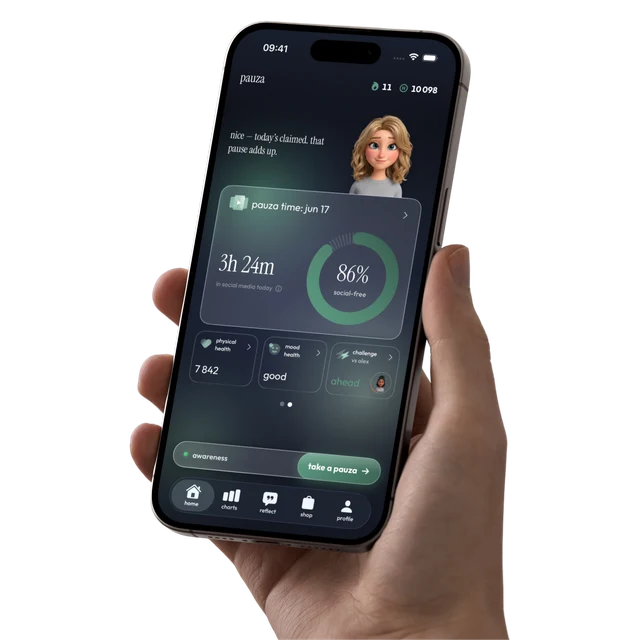
frequently asked questions
Why is it so hard to stop checking my phone first thing in the morning?
Morning phone use is driven by habit, curiosity, and the natural urge for stimulation after sleep. Notifications and easy access make it an automatic behavior for many people.
What if I use my phone as an alarm clock?
Switch to a standalone alarm clock or a smart speaker to reduce temptation. If you must use your phone, place it across the room so you can’t reach it from bed.
How do I keep from missing important messages early in the day?
Set up Focus or Do Not Disturb modes to allow calls or texts from specific contacts only. This way, you stay available for emergencies but avoid other distractions.
Is it better to go cold turkey or reduce gradually?
Both approaches can work. Some people benefit from an all-at-once change, while others need to gradually delay their first phone check by 10–15 minutes each week.
Can apps really help with this habit?
Yes, certain apps can track your phone-free time or let you set up challenges with friends, which adds motivation and accountability. But the biggest impact often comes from physical changes to your routine.
How do I handle work notifications in the morning?
If possible, use scheduled Focus modes to delay work notifications until your chosen start time. Communicate your boundaries with colleagues if you need a screen-free buffer at the start of your day.
free tools
- screen time calculator — see what your daily hours add up to over a year
- average screen time statistics — how your usage compares to the latest data
- phone habit test — a 2-minute check of your phone habits