how to reduce screen time on android (digital wellbeing guide)

To reduce screen time on Android, use built-in Digital Wellbeing tools to track your habits, set app limits, and create phone-free routines. Small changes—like disabling notifications or using grayscale mode—can help you reclaim attention and form healthier device use patterns. Here’s a guide to making practical, lasting changes.
To reduce screen time on Android, open Digital Wellbeing in Settings to review your usage, set app timers for distracting apps, and schedule Focus or Bedtime modes. Disabling non-essential notifications and creating phone-free times during your day can help you stay off your device and develop healthier habits.
key takeaways
- Digital Wellbeing offers built-in tools to measure and limit Android screen time.
- App timers, Focus Mode, and notification control are effective first steps.
- Physical cues and environment changes support digital boundaries.
- Compare your daily use to the average screen time to stay realistic.
why screen time adds up (and why it’s hard to notice)
Many Android users underestimate how quickly screen time accumulates. The average internet user spends 2 hours and 21 minutes on social media every day (DataReportal, Digital 2025), but most of us don’t notice each short session adding up. Notifications, algorithm-driven feeds, and frictionless app-switching all contribute to the cycle.
Digital Wellbeing tools can show you the real numbers. When you open Settings > Digital Wellbeing & parental controls, you’ll see daily and weekly breakdowns of your app use. A screen time calculator makes those hours concrete, helping you spot which apps or time blocks drive the most use.
Awareness is the first step, but it’s normal to be surprised by your totals. If your numbers feel high, remember you’re not alone—these patterns are common, not a personal failing.
- Social apps and games often trigger frequent micro-checks.
- Work and utility apps add up, especially during multitasking.
- Notifications can pull you back in even after you’ve put your phone down.
how to use digital wellbeing tools on android
Android’s Digital Wellbeing suite is built into most devices running Android 9 and later. Open Settings and search for 'Digital Wellbeing & parental controls' to get started. This dashboard reveals your daily screen time, unlocks, and notification counts.
App timers are a core feature: tap 'Dashboard,' then select an app to set a daily usage limit. When you hit the limit, the app grays out until midnight. Use this for time sinks like social media, video streaming, or games.
Other features include Focus Mode (block selected apps at set times) and Bedtime Mode (mute notifications, grayscale the screen, and dim wallpaper at night). Combine these with your existing schedule for best results. Apps like Pauza on iPhone offer similar approaches for Apple users, rewarding time away from the screen.
- Open Settings > Digital Wellbeing & parental controls.
- View your dashboard to identify top-used apps.
- Set app timers for your biggest distractions.
- Try Focus Mode for deep work or family time.
- Enable Bedtime Mode to wind down at night.

making your phone less distracting: notification triage
Notifications are a major driver of unnecessary screen time. Each ping or pop-up primes you to check your device—even if you only glance for a moment. Over time, these interruptions add up, fragmenting your attention.
Start by auditing which apps can deliver notifications. Go to Settings > Apps & notifications > Notifications. Turn off all but the essentials—messaging, calendar, and critical alerts. Many social and shopping apps default to sending promotional or 'engagement' notifications that aren’t urgent.
Android also lets you silence notifications during Focus or Bedtime Mode. If you’re worried about missing something important, use 'Priority only' mode to allow calls or messages from select contacts while blocking the rest.
changing your environment to break scrolling cycles
Environmental cues shape digital habits. If your phone is always within reach, it’s much easier to slip into passive scrolling—especially during idle moments. Physical changes can help you reduce screen time on Android without relying solely on willpower.
Try leaving your phone in another room during meals or work sessions. Move device chargers away from your bedside table to avoid nighttime browsing. When you’re commuting, consider placing your phone in a bag or zippered pocket, not your hand.
If you use your Android device for work, set up a dedicated workspace without constant phone access. Subtle adjustments in your environment often make sticking to digital limits feel less like a chore.
- Keep your phone out of sight during key routines (meals, meetings, creative work).
- Use physical objects (books, journals) to fill idle time.
- Charge your device outside your bedroom.
using routines and cues to build healthier screen habits
Consistent routines make it easier to change screen habits. Pair phone-free periods with other regular activities—like turning off notifications during dinner or activating Focus Mode before you start a workout. Android’s 'Schedules' in Digital Wellbeing let you automate these changes.
Visual cues help reinforce new habits. You might keep a sticky note on your desk as a reminder, or set a daily alarm to put your phone away at a specific time. Some users even swap their home screen layout to hide tempting apps or move them to a separate folder.
For social accountability, consider sharing your goals with a friend or family member. While Pauza is designed for iPhone, it lets users bet each other on who can scroll less—a competitive twist that some find motivating. On Android, you can try similar challenges informally.
reviewing your progress and adjusting over time
Reducing screen time is rarely a one-and-done process. Check your Digital Wellbeing dashboard weekly to see which patterns are changing (or not). Is your overall time down, but one app is still dominating? Adjust timers or routines as needed.
Compare your numbers to the average screen time—this can help you set realistic, compassionate goals. If you’re still spending more time online than you’d like, try reducing one app’s limit by 10–15 minutes at a time, rather than making drastic cuts all at once.
Progress may be slow, especially if your work or social life relies on your phone. The Digital Wellbeing tools are designed to be flexible; revisit your settings as your needs change. For iPhone users looking for a positive approach, Pauza rewards time away from the screen and adds a playful layer to staying focused.
by the numbers
- The average internet user spends 2 hours and 21 minutes on social media every day.— DataReportal, Digital 2025
Ready to make a positive change? If you use iPhone, try Pauza for a friendly, rewarding approach to screen time. Take back your focus—one small step at a time.
Get Pauza on iPhone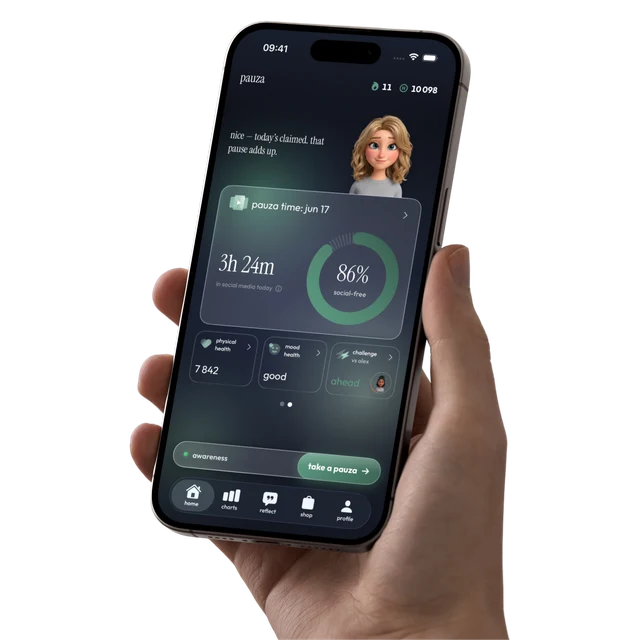
frequently asked questions
How do I find Digital Wellbeing on my Android phone?
Open Settings and search for 'Digital Wellbeing & parental controls.' If you don’t see it, check if your device is running Android 9 or newer, as older devices may not have it.
What’s the best way to set app limits on Android?
In Digital Wellbeing, go to Dashboard, tap the hourglass icon next to an app, and set your daily usage limit. When you reach the limit, the app is paused until the next day.
Can I temporarily block all notifications on Android?
Yes. Use Focus Mode or Bedtime Mode in Digital Wellbeing to block notifications from selected apps. You can also use 'Do Not Disturb' settings for broader control.
Are there third-party apps to help reduce screen time on Android?
Yes, options like ActionDash and StayFree offer expanded analytics and custom limits. However, the built-in Digital Wellbeing tools are sufficient for most users and keep your data local.
How do I stay motivated to use my phone less?
Pair screen time limits with enjoyable offline activities, involve friends or family in your goals, and review your progress weekly. Positive reinforcement and gentle adjustments often work better than strict rules.
What if I need my phone for work or emergencies?
Set exceptions for work or emergency contacts in your notification and Focus Mode settings. Customize limits for non-essential apps while keeping necessary functions available.
free tools
- screen time calculator — see what your daily hours add up to over a year
- average screen time statistics — how your usage compares to the latest data
- phone habit test — a 2-minute check of your phone habits