how to limit instagram time: daily caps that hold past day three

To truly limit Instagram time, you need more than just app blocks or vague intentions. Consistent caps that last require understanding your triggers, using built-in iPhone tools wisely, and creating real-life friction at key moments. Here’s how to set daily limits that actually hold—well past the first few days.
To limit Instagram time, set a daily cap using your iPhone’s Screen Time settings, choose a realistic maximum, and create extra friction by removing shortcuts and disabling notifications. Build in reminders and track your progress to help new habits stick for the long term.
key takeaways
- Setting a daily cap works best when paired with friction—like logging out or moving Instagram off your home screen.
- Use iPhone Screen Time’s App Limits and Downtime features for automatic enforcement.
- Track your progress and compare it to average screen time statistics for perspective.
- Small changes like disabling notifications and unfollowing distracting accounts reduce temptation.
why daily instagram caps fail after a few days
Many people know how to limit Instagram time, at least in theory: they set a daily app limit, feel motivated for a day or two, then quietly ignore the warning and slide back into old habits. The problem isn’t always a lack of willpower—it’s how easily limits can be overridden or forgotten once the initial motivation fades.
iPhone’s Screen Time feature lets you set daily caps, but it also allows you to extend or ignore them with a tap. When Instagram is a reflex or a comfort scroll, these obstacles are barely noticed. According to DataReportal, the average internet user spends 2 hours and 21 minutes on social media every day—far more than most intend.
To make daily caps last, you need to address both the technical and psychological loopholes. That means adding intentional friction, understanding your usage patterns, and making your limits meaningful in daily life.
- Simple time limits are easy to override if motivation drops.
- Notifications and home screen placement make Instagram too accessible.
- Guilt or all-or-nothing thinking can sabotage your progress after a slip.
using iphone’s built-in screen time tools effectively
Apple’s Screen Time (Settings > Screen Time) offers two key features: App Limits and Downtime. App Limits let you set a maximum daily allowance for Instagram—start with a realistic target, such as 30 or 45 minutes, and adjust as you learn your actual usage.
Downtime sets broader hours (for example, 10 pm to 7 am) when only essential apps are accessible; you can exclude Instagram during these times for extra control. To avoid the temptation to simply 'Ignore Limit for Today,' set a Screen Time passcode (Settings > Screen Time > Use Screen Time Passcode) so you must enter a code to override limits.
If you share your device with a family member or accountability partner, consider using Family Sharing to let someone else manage your limits. For many, the act of tracking and reviewing usage data—either in Screen Time or with a screen time calculator—makes the pattern concrete and easier to change.
- Open Settings > Screen Time > App Limits.
- Tap Add Limit, select Instagram, and set your daily cap.
- Enable Downtime for hours you want Instagram completely blocked.
- Set or update your Screen Time passcode to prevent easy override.

creating real friction: small tweaks that make a big difference
One reason daily limits fail is that Instagram is always just a swipe away. Moving the app off your home screen (hold the app, tap Remove from Home Screen) or burying it in a folder adds a tiny but meaningful hurdle that interrupts autopilot scrolling.
Log out of your Instagram account after each session—this forces an extra login step that makes impulsive checks less satisfying. If you use Face ID or Touch ID for fast logins, consider disabling them for Instagram in the app’s settings.
Turning off all Instagram notifications (Settings > Notifications > Instagram > Allow Notifications off) removes the cues that lure you back in. These simple changes disrupt the start of the habit loop, making it easier to honor your daily cap.
adjusting what you see: curating your instagram experience
Not all Instagram time is equally distracting. If you find yourself endlessly scrolling the Explore page or Reels, consider unfollowing or muting accounts that spark mindless use. This reduces the dopamine spikes that keep you hooked.
You can also use Instagram’s in-app tools to set its own daily reminder (Settings > Your Activity > Time Spent > Set daily time limit), though these reminders are easy to dismiss. Combined with iPhone’s Screen Time, they help reinforce your intention.
Some people choose to follow only close friends or accounts that add genuine value, pruning the feed down to the essentials. This makes Instagram more purposeful and less likely to eat up hours without you noticing.
- Unfollow or mute high-distraction accounts.
- Use Instagram’s own daily time reminders for extra nudges.
- Limit the number of people you follow to reduce feed length.
making limits social: accountability and small rewards
Habits tend to stick better when someone else knows your goal. Telling a friend or family member about your Instagram cap—or better yet, making it a shared challenge—can make limits feel more meaningful and less like a private struggle.
Apps like Pauza offer a way to gamify breaks by converting time off Instagram into in-app tokens and streaks. You can also bet a friend on who can keep their screen time lowest, making the process more engaging without real money or gambling. Even a simple shared spreadsheet or a weekly progress check-in works.
Small non-digital rewards (like a walk, a favorite snack, or time spent offline with a friend) help reinforce the positive change. The goal isn’t perfection, but building consistency and celebrating progress.
tracking progress and learning from setbacks
Checking your Screen Time reports regularly (Settings > Screen Time > See All Activity) gives you a clear picture of both wins and setbacks. Compare your numbers to the average screen time for context and motivation.
If you break your cap one day, avoid the all-or-nothing trap—one slip doesn’t erase your streak. Instead, look for patterns: Are there certain times or moods when you’re most likely to scroll? Use this insight to adjust your limits or create new friction points.
Long-term change comes from adjusting your approach as you learn what works for you. Review your progress weekly, celebrate improvements, and refine your system until your Instagram time matches your real intentions.
- Review your daily and weekly Instagram usage in Screen Time.
- Note when and why you go over your cap.
- Adjust limits or create new friction points as needed.
- Celebrate small wins and don’t dwell on setbacks.
by the numbers
- The average internet user spends 2 hours and 21 minutes on social media every day.— DataReportal, Digital 2025
Ready to make your Instagram limits last? Try Pauza on your iPhone to turn screen-free time into a positive habit—and see how far you can go.
Get Pauza on iPhone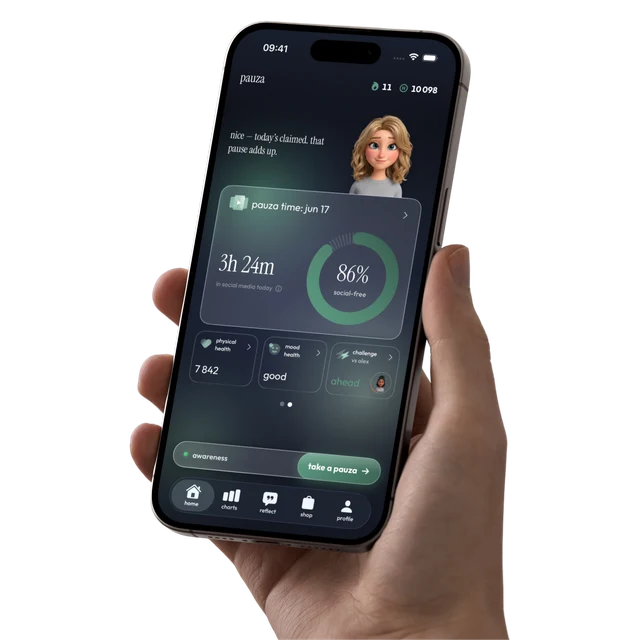
frequently asked questions
How do I set a daily time limit for Instagram on my iPhone?
Go to Settings > Screen Time > App Limits, tap Add Limit, select Instagram, and set your desired daily cap. You can also add a Screen Time passcode to make limits harder to override.
What should I do if I keep ignoring my Instagram time limit?
Try adding friction: move Instagram off your home screen, log out after each session, or turn off notifications. Making the app harder to access helps break automatic habits.
Can I block Instagram at certain times of day?
Yes. Use iPhone’s Downtime feature (Settings > Screen Time > Downtime) to block Instagram during specific hours, like before bed or during work hours.
Is there a way to make limiting Instagram more social?
Absolutely. Set a shared limit with a friend, check in weekly, or use an app like Pauza to track off-time together. Friendly accountability can boost motivation and follow-through.
Does deleting Instagram help reduce my usage?
Deleting Instagram can reset habits, but many people reinstall it quickly. For lasting change, combine technical limits with changes to notifications, app placement, and your feed.
How much time do most people spend on social media?
According to DataReportal, the average internet user spends 2 hours and 21 minutes on social media every day.
free tools
- screen time calculator — see what your daily hours add up to over a year
- average screen time statistics — how your usage compares to the latest data
- phone habit test — a 2-minute check of your phone habits