how to block apps on iphone: every built-in and third-party method, ranked
To block apps on iPhone, use Apple’s Screen Time settings or specialized third-party apps for tailored control. Each method offers different levels of flexibility, privacy, and effectiveness. Here’s a complete, honest guide to every option available—and how to choose the right one for your needs.
To block apps on iPhone, go to Settings > Screen Time > App Limits or Downtime, then set restrictions for specific apps or app categories. For more control, use third-party screen time apps from the App Store. Built-in options are free, but external apps may offer extra features.
key takeaways
- Screen Time in iOS lets you block or limit apps by category or schedule.
- Downtime creates scheduled blocks for all but allowed apps.
- Third-party apps offer unique features but require extra permissions.
- No method is foolproof—real change involves adjusting your habits too.
why people want to block apps—and when it actually works
Blocking apps on your iPhone is usually about reclaiming focus, reducing distractions, or managing digital wellbeing. The most common targets are social media, games, and messaging platforms—apps designed to keep you engaged. According to DataReportal’s 2025 report, the average internet user spends 2 hours and 21 minutes on social media every day.
However, not every blocking method suits every situation. Temporary blocks may help during work or study sessions, while long-term restrictions can support healthier routines. It’s important to be realistic: blocking apps can reduce temptation, but determined users often find workarounds.
Some methods, like parental controls, are robust but can feel heavy-handed for adults. Others, such as focus modes or apps like Pauza, encourage mindful usage instead of strict bans. Assess your goals before choosing a method—are you aiming for total restriction, or just a nudge to pause?
- Reducing distractions during work or study
- Helping children or teens develop healthier habits
- Supporting digital detox efforts
- Preventing late-night scrolling
the essentials: how to block apps on iphone using screen time
Apple’s built-in Screen Time is the main tool for blocking apps on iPhone. It’s free, deeply integrated, and works for individual users or families. To get started, open Settings > Screen Time and tap 'App Limits' to set daily time limits for specific apps or categories.
For stricter control, use 'Downtime' within Screen Time. This feature lets you schedule periods when only apps you specifically allow are accessible; everything else is blocked behind a passcode. You can also restrict app installation or deletion, and block explicit content.
Screen Time is effective for most people, but it’s not unbreakable. If you know the passcode, it’s easy to override limits. For children or teens, set a passcode they don’t know, and regularly review which apps are allowed during Downtime.
- Open Settings and tap Screen Time.
- Select 'App Limits' to add limits for apps or categories.
- Tap 'Downtime' to schedule blocks of time with only allowed apps.
- Set a Screen Time passcode to prevent easy changes.

focus modes, parental controls, and their limitations
Focus modes—introduced in iOS 15—let you filter which apps and notifications are available during work, sleep, or custom periods. While not strictly blocking, Focus hides selected apps and silences alerts, creating a less distracting environment.
Parental controls, accessed through Screen Time’s Family Sharing setup, are powerful for managing children’s devices. You can remotely set app limits, block purchases, and review usage. However, these tools are less useful for adults seeking self-control, since they’re easy to disable if you have the passcode.
Neither Focus nor parental controls offer perfect enforcement. Focus modes can be toggled on or off quickly, and kids may find ways around parental controls. For more persistent blocking, you may need to combine these features with app limits or third-party solutions.
third-party apps: what they offer (and what they can’t do)
Third-party screen time apps from the App Store—like Freedom, Opal, and Pauza—provide extra features that Apple’s tools don’t. Some allow social challenges, detailed activity breakdowns, or rewards for time away from your phone. Pauza, for example, lets you earn tokens for every minute spent off social media and even compete with friends to reduce screen time.
However, third-party apps are limited by Apple’s privacy restrictions. They cannot block system apps or enforce restrictions as deeply as Screen Time. Most require Accessibility or VPN permissions, which may affect privacy or device performance, so always check what access you’re granting.
These apps work best for those who want more nuanced encouragement, social features, or detailed analytics. If you’re interested in tracking your habits over time, a screen time calculator can make those hours concrete and reveal patterns that simple app blocking might miss.
- Social accountability features (bets, leaderboards, group goals)
- Rewards for time away from the screen
- Detailed breakdowns of app usage
- Customizable blocking schedules
workarounds, loopholes, and real-world challenges
No method for blocking apps on iPhone is completely foolproof. If you know your Screen Time passcode, it’s easy to bypass limits. Focus modes and third-party apps can often be disabled or uninstalled with a few taps.
For parents, determined teens may reset devices, use web versions of blocked apps, or create new Apple IDs. For adults, the temptation to override limits during stressful moments is real. Knowing these loopholes helps you plan more realistic strategies.
To make restrictions stick, combine technical controls with changes to your environment—move tempting apps off your home screen, turn off notifications, or replace screen time with offline activities. For many, the most effective solution is a mix of technology and habit change rather than relying on blocks alone.
choosing the right method for your needs
Choosing the best way to block apps on iPhone depends on who you are and what you want to achieve. If you want simple, scheduled breaks from certain apps, Screen Time’s App Limits and Downtime are usually enough. For kids, combine those with Family Sharing parental controls.
If you need more motivation or want to build healthier habits with friends, try a third-party app like Pauza. Its token system and friendly competition can make staying off social media feel more rewarding—and because all raw usage data stays on your device, privacy is respected.
Remember, none of these methods guarantee success by themselves. The average screen time for internet users is already high, so experiment with different tools and be honest about what helps you most. Mixing built-in controls with positive habit-building is usually the most sustainable path.
by the numbers
- The average internet user spends 2 hours and 21 minutes on social media every day.— DataReportal, Digital 2025
Try Pauza on your iPhone for a fresh approach to screen time—rewarding you for every minute spent away from your phone. Download free and see which method helps you most.
Get Pauza on iPhone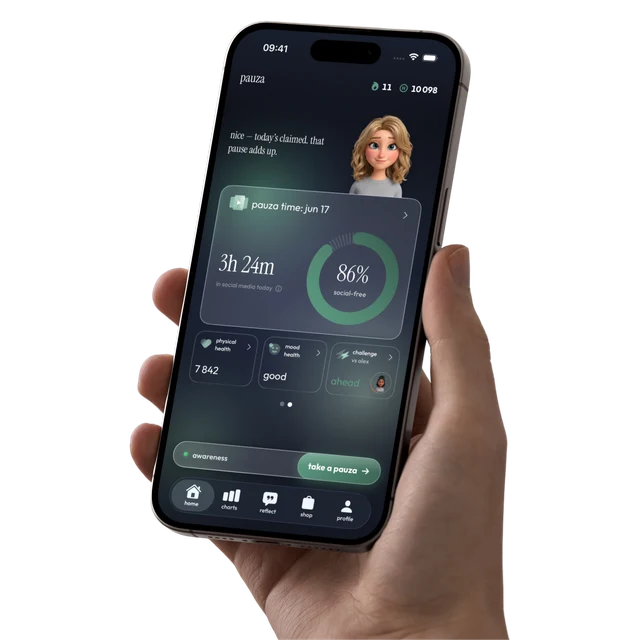
frequently asked questions
Can you completely block an app on iPhone?
You can restrict access to specific apps using Screen Time’s App Limits or Downtime, but total blocking is only possible for certain built-in apps and content types. Third-party apps cannot fully block system apps due to Apple’s privacy limitations.
How do I set a Screen Time passcode?
Go to Settings > Screen Time > Use Screen Time Passcode. Set a unique code that others don’t know to prevent easy overrides. For children’s devices, set this up through Family Sharing.
Do third-party apps block apps more effectively?
Third-party apps offer extra features—like rewards or social challenges—but cannot enforce blocks more deeply than Apple’s Screen Time due to system restrictions. They’re best for motivation and tracking, not strict blocking.
Is Screen Time data private?
Apple stores Screen Time data on your device, and it isn’t shared unless you enable Family Sharing or backup to iCloud. Some third-party apps, like Pauza, also keep raw usage data private and on-device.
What happens if I forget my Screen Time passcode?
If you forget your Screen Time passcode, you’ll need to reset it using your Apple ID, or in some cases, erase and restore your device. Apple Support can guide you through the process.
Can I block apps only at certain times?
Yes. Use Screen Time’s Downtime feature to block apps during scheduled periods, like at night or during work hours. You can customize which apps are always allowed.
free tools
- screen time calculator — see what your daily hours add up to over a year
- average screen time statistics — how your usage compares to the latest data
- phone habit test — a 2-minute check of your phone habits