why Gen Z is quitting social media (and what they do instead)

Nearly half of U.S. teens (46%) say they are online almost constantly — roughly double the share a decade ago, according to Pew Research Center, 2024. This shift is driving many young people to rethink their online habits. Gen Z quitting social media isn’t just a trend; it’s a response to feeling overloaded, distracted, or burned out by constant connectivity.
Gen Z quitting social media refers to a growing movement among young people to reduce or abandon their use of platforms like Instagram, TikTok, or Snapchat. Motivations include concerns about mental health, privacy, and the desire to reclaim time for offline activities, friendships, and personal wellbeing.
key takeaways
- 46% of U.S. teens report being online almost constantly, yet many are choosing to disconnect.
- Gen Z is quitting social media to address mental health, focus, and privacy concerns.
- Simple iPhone settings and mindful app choices can help reduce screen time.
- Offline hobbies and real-world connections are replacing some online habits.
the headline numbers: how much time gen z spends online
Understanding how much time Gen Z spends online is crucial to grasping why so many are stepping back. Nearly half of U.S. teens (46%) say they are online almost constantly, which is about double the proportion from ten years ago (Pew Research Center, 2024).
This persistent connectivity is made possible by near-universal smartphone access — 95% of U.S. teens have a smartphone. The average internet user spends 2 hours and 21 minutes per day on social media platforms alone (DataReportal, Digital 2025).
A screen time calculator makes those hours concrete, revealing just how much of the day can vanish into scrolling. These numbers set the stage for understanding why some young people are choosing to quit or radically reduce their social media use.
- 46% of U.S. teens say they are online almost constantly (Pew Research Center, 2024)
- 95% of U.S. teens have access to a smartphone
- 2 hours and 21 minutes: average daily social media use per person
what’s driving gen z to quit social media?
The motivations for Gen Z quitting social media are nuanced. Many cite mental health as a key reason, with concerns about anxiety, loneliness, and pressure to perform online.
Privacy is another major factor. With so much personal information shared, some young people want more control over their digital footprint. Others mention the desire to use their time more intentionally, focusing on hobbies, schoolwork, or real-world relationships.
Apps like Pauza have emerged to support these goals, rewarding time spent off social media and making it easier to track progress without feeling judged.

who is most affected by constant connectivity?
While almost all teens are online daily, not everyone is affected in the same way. Those who spend the most time on social media often report higher levels of stress or distraction.
Teens and young adults who rely on their phones for school, social life, and entertainment may feel the pressure most intensely. For some, quitting social media is a way to reclaim a sense of agency and calm.
Different age groups experience the impact in unique ways — for instance, tweens aged 8–12 now average about 5 hours and 33 minutes of screen media per day (Common Sense Media), setting up habits that can be hard to break later.
- Teens with the highest social media use often report more stress
- Younger users are developing lifelong screen habits
- Those balancing school, work, and online life may feel the biggest impact
what quitting social media means for day-to-day life
For many in Gen Z, quitting or taking breaks from social media leads to small but meaningful changes. Some report more focus on schoolwork, hobbies, or in-person friendships.
Common offline replacements include reading, outdoor activities, group sports, volunteering, or creative projects. Reclaiming time from screens also means less exposure to the pressures of online comparison and news cycles.
Pauza, for example, turns time spent away from your phone into in-app tokens and lets you build friendly challenges with others — making the process more social and less isolating.
practical steps: how to spend less time on social media
If you want to reduce your time online, start with small, specific changes. On your iPhone, you can:
- Go to Settings > Screen Time to see your daily and weekly usage.
- Set App Limits for social media apps (Settings > Screen Time > App Limits > Add Limit).
- Use Downtime to schedule periods when only essential apps are available.
- Turn off non-essential notifications to cut interruptions.
Try deleting social media apps for a few days, or moving them to a separate page or folder. Consider inviting a friend to join you — friendly bets or shared goals make it easier to stick with new habits.
Apps like Pauza reward you for time spent off your phone, letting you track progress, build streaks, and even challenge friends to see who can scroll less. Remember, the goal isn’t perfection — it’s finding a balance that works for you.
- Check your screen time stats for a reality check.
- Set app limits and scheduled Downtime on your iPhone.
- Declutter your home screen and mute notifications.
- Try a digital detox, even for a weekend.
- Find offline hobbies to replace some online habits.
by the numbers
- Nearly half of U.S. teens (46%) say they are online almost constantly — roughly double the share a decade ago.— Pew Research Center, 2024
- 95% of U.S. teens have access to a smartphone.— Pew Research Center, 2024
- The average internet user spends 2 hours and 21 minutes on social media every day.— DataReportal, Digital 2025
- Tweens aged 8–12 average about 5 hours and 33 minutes of screen media per day.— Common Sense Media
Ready to try a break from scrolling? Download Pauza on your iPhone to start earning rewards for your time offline and challenge friends to join your journey.
Get Pauza on iPhone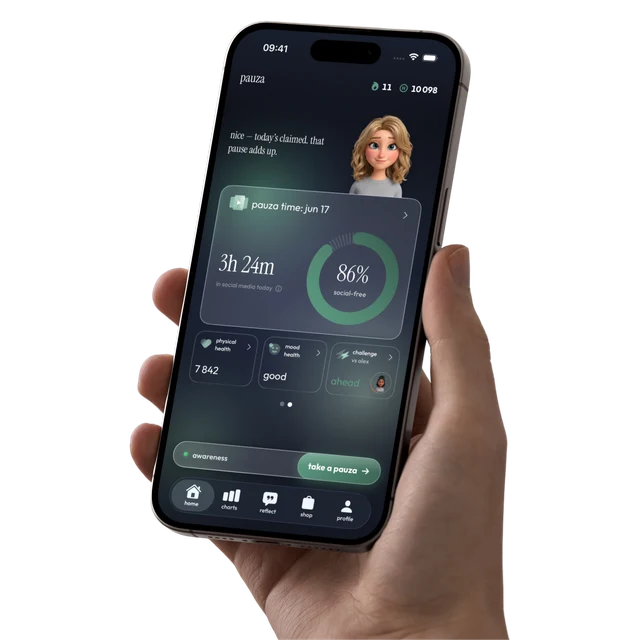
frequently asked questions
Why are so many Gen Z users quitting social media?
Many Gen Z users quit social media due to concerns about mental health, privacy, and the desire to reclaim time for offline friendships and activities. The pressure to always be connected can feel overwhelming, prompting some to step back.
What are some alternatives to social media for Gen Z?
Popular alternatives include group sports, creative hobbies, volunteering, reading, or spending more time outdoors. Some use digital wellbeing apps to track their progress and stay motivated.
How can I see how much time I spend on social media?
On iPhone, go to Settings > Screen Time to view your daily and weekly app usage. Tools like a screen time calculator can help you understand where your time goes.
Does quitting social media help with mental health?
Some studies and personal reports suggest that spending less time on social media can reduce stress and improve mood, but results vary by individual. It’s worth trying a break to see how you feel.
What’s the average screen time for social media each day?
The average internet user spends 2 hours and 21 minutes on social media daily, according to DataReportal, Digital 2025.
Are there apps that help you spend less time on your phone?
Yes, several apps help track screen time, set goals, or reward time spent offline. Pauza, for example, offers in-app tokens and friendly challenges to make it easier and more social to cut back.
free tools
- screen time calculator — see what your daily hours add up to over a year
- average screen time statistics — how your usage compares to the latest data
- phone habit test — a 2-minute check of your phone habits