free vs paid screen time apps: what you actually get

Free screen time apps like Apple's built-in Screen Time offer solid basics for tracking and limiting usage, but paid apps add deeper blocking, analytics, or unique motivation tools. For most people, starting free is best—upgrade only if you need stricter limits, social features, or unique rewards. The right choice depends on your habits, motivation style, and budget.
Free screen time apps usually offer basic tracking and self-set limits, while paid screen time apps add features like hard-to-bypass blocking, detailed analytics, and unique motivation tools such as rewards or social challenges. The best fit depends on whether you need simple awareness or more structured support to change habits.
key takeaways
- Free apps cover the basics—tracking and simple self-set limits—at no cost.
- Paid apps offer stricter blocking, advanced analytics, or creative motivation tools.
- Choose based on your motivation style: do you need hard limits, gentle reminders, or social rewards?
- Always check current App Store pricing before subscribing—prices can change.
how to think about free vs paid screen time apps
Choosing a screen time app is about more than just price. Free apps like Screen Time give you the basics: tracking, daily and weekly reports, and the ability to set your own app limits. Paid apps, on the other hand, often add deeper control, harder blocks, or creative ways to motivate change.
Consider what actually makes you use your phone less: is it hitting a wall (blocking), adding friction (delays or pauses), building awareness (analytics), or being rewarded for time away (tokens or games)? Some people stick to their goals with gentle nudges, while others need stricter tools or social accountability.
If you want to measure your current habits, a free screen time calculator or tracker is a great starting point. If you find you keep overriding your own limits, that’s when a paid app might be worth it.
the main contenders: what each app does and who it's for
Here’s how some of the most-used screen time apps compare. Each takes a different approach to helping you change your phone habits.
Prices are approximate—always check the App Store for up-to-date info.
- Apple Screen Time: Free and built into iOS—tracks usage, lets you set app and downtime limits. Best for anyone wanting a no-cost, easy starting point. Limits are easy to ignore if you’re determined.
- Opal: Focus sessions and hard-to-bypass blocking, with analytics and a polished feel. Best for those who want paywalled, strict blocking and deep data. Higher price, and friends are passive—not competitive.
- BePresent: Offers streaks and lets you stake money against your own screen time goals. Best for people motivated by self-set stakes. You’re betting against yourself, so it’s easy to go easy on slips.
- one sec: Adds a pause before opening social apps—no blocking, just friction. Best for those who want to reflect before opening apps, not force themselves to stop. Easy to bypass if you’re determined.
- Pauza: Rewards your time off social apps with tokens, and lets you bet on low screen time with friends. Best if you prefer incentives and friendly competition over rigid blocking.
- ScreenZen: Free, with open-delays and scroll interruptions—solid for basic blocking. No built-in rewards or social features.
- Forest: Gamifies focus sessions by planting virtual trees. Great if you like short focus bursts and a wholesome vibe, but less useful for all-day tracking or direct competition.

free vs paid: which is right for you?
The right choice depends on your own habits and motivation style. Here are some common fit points:
If you want to try out screen time tracking or simple limits, start with a free app like Apple Screen Time or ScreenZen. They’re low risk and easy to use.
If you need harder-to-bypass blocks, detailed analytics, or creative motivation, a paid option like Opal, BePresent, or Forest may be worth it—especially if you’ve already tried basic tools.
- Best for zero cost basics: Apple Screen Time, ScreenZen
- Best for strict blocking: Opal
- Best for gentle friction: one sec
- Best for social challenge or rewards: Pauza, BePresent
- Best for focus sessions: Forest
where Pauza fits in the landscape
Pauza takes a different approach from most paid apps. Instead of only blocking apps, it rewards you for the time you spend away from social media by turning those minutes into in-app tokens. You can also bet your tokens in friendly competitions with friends—the lowest screen time wins the pot.
Unlike blockers, Pauza tracks per app, so useful time (like work, maps, or music) doesn’t count against you. Your raw usage data stays on your device for privacy. If you’re motivated by rewards, streaks, and social games rather than strict limits or friction, Pauza is a good fit.
making your choice: steps to take
Start by measuring your current habits—your iPhone already has built-in Screen Time for this. Compare your numbers to the average screen time: the average internet user spends 2 hours and 21 minutes on social media every day (DataReportal, Digital 2025).
Try a free app first. If you find yourself overriding limits or wanting more motivation, experiment with a paid app that matches your style—whether that’s strict blocking, rewards, or social competition.
Always review the latest App Store reviews and prices before subscribing. The right app should feel supportive, not punitive.
by the numbers
- The average internet user spends 2 hours and 21 minutes on social media every day.— DataReportal, Digital 2025
Ready to try a rewarding approach? Download Pauza for iPhone and see if tokens and friendly bets help you stay off your phone.
Get Pauza on iPhone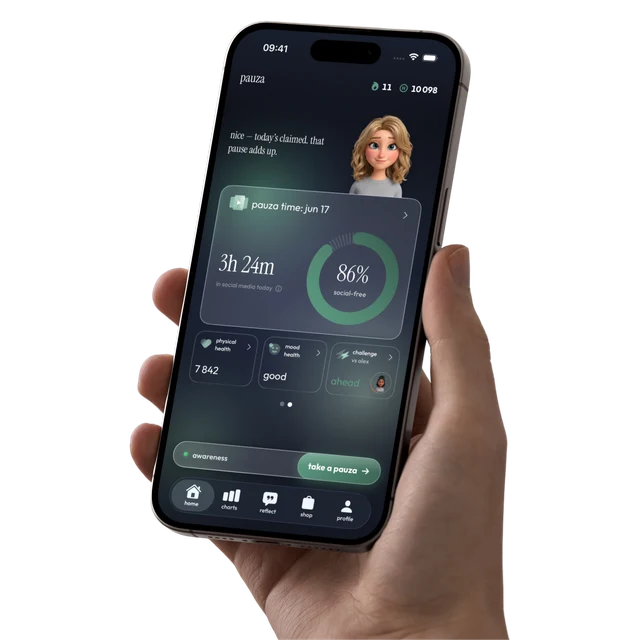
frequently asked questions
Are free screen time apps enough for most people?
For many, free apps like Apple Screen Time provide enough tracking and basic limits to raise awareness and start building better habits. If you find yourself overriding limits or needing extra motivation, a paid app might help.
What do paid screen time apps offer that free ones don’t?
Paid apps often include features like hard-to-bypass blocking, detailed analytics, unique motivation tools (like rewards or social competition), and sometimes a more polished interface. They’re helpful if you need more than self-set limits.
Is there a risk of becoming too reliant on blocking apps?
Strict blocking can help in the short term but may not address why you reach for your phone. Combining tracking, awareness, and motivation—rather than relying only on blocking—often leads to more lasting change.
Can I use more than one screen time app at once?
Yes, you can combine apps (for example, using Screen Time for baseline tracking and another app for added motivation). Just be aware of possible conflicts if two apps try to block the same activity.
How do I know if a paid app is worth it?
Try free options first. If you’re consistently overriding limits or want features like rewards, social competition, or stricter blocking, a paid app could be a worthwhile investment. Always check current prices and reviews before subscribing.
free tools
- screen time calculator — see what your daily hours add up to over a year
- average screen time statistics — how your usage compares to the latest data
- phone habit test — a 2-minute check of your phone habits
- Pauza vs Opal — a side-by-side look at two different approaches