is opal free? what you actually get without paying in 2026

Opal is not fully free: while you can download Opal and start a basic focus session without paying, most features—including deep blocking, advanced analytics, and unlimited sessions—require a paid subscription. For those seeking robust, hard-to-bypass app blocking on iPhone, Opal is a leading choice, but it comes at a price. If you want a zero-cost approach, Apple Screen Time or other free apps may be a better fit. Pauza, for example, takes a different approach by rewarding your time off-screen rather than just blocking apps.
Opal offers a limited free version, allowing basic focus sessions, but most of its core features—including strong app blocking, unlimited sessions, and detailed analytics—require a paid subscription. For full access to Opal's blocking and tracking tools, expect to pay around $99.99 per year. Always check current pricing in the App Store.
key takeaways
- Opal's most powerful blocking and analytics features require a paid subscription.
- The free version of Opal allows limited focus sessions but is restricted in scope.
- For zero-cost app blocking, Apple Screen Time or ScreenZen are better options.
- Pauza suits those who prefer rewards and friendly competition over hard blocking.
how to decide: blocking, friction, awareness, or rewards?
When choosing a screen time app, the right fit depends on what motivates you. Some people want strict app blocking, making it impossible to access distractions. Others just need a pause or a gentle reminder to consider their usage.
Awareness tools simply track and report your screen time, while reward-based apps like Pauza convert your off-screen minutes into tokens or streaks. Consider whether you prefer direct limits, subtle nudges, or motivation through progress and social competition.
Think about your goals: do you want to completely stop using certain apps, build better habits, or just understand your patterns? Your answer will shape which app works best for you.
is opal free? what you get for nothing—and where it stops
Opal lets you start focus sessions for free, giving a taste of its scheduling and blocking tools. However, the free version is limited: you’ll quickly hit restrictions on session length, number of sessions per day, and access to analytics.
Most of Opal’s standout features—like Deep Focus mode (which blocks apps with no bypass), detailed analytics, and unlimited sessions—are locked behind a paid subscription costing around $99.99 per year. This makes Opal one of the higher-priced options on the market.
For those who need only the basics, the free version may suffice. But if you want the serious, hard-to-bypass blocking that Opal is known for, you’ll need to subscribe. Always confirm the latest pricing on the App Store, as costs may change.
- Free: Start limited focus sessions, basic blocking.
- Paid: Unlimited sessions, Deep Focus, advanced analytics, no bypass.

how opal compares: other popular screen time apps
There’s no one-size-fits-all; here’s how other leading apps stack up for different needs:
Apple Screen Time is built into every iPhone, offering free app limits and Downtime, but a single tap can bypass limits—best for those who want a simple, zero-cost start.
ScreenZen offers free open-delays and per-app goals, great for basic habit-breaking without paying, but lacks rewards or social competition.
one sec adds a pause before each app opens—ideal for those who want gentle friction rather than hard stops, with plans from around $20-50/year.
BePresent introduces streaks and lets you stake real money against your own goals (around $59.99/year), but you’re only accountable to yourself.
Opal stands out for polished, hard-to-bypass blocking and deep analytics, especially for those who want a premium, hands-off experience.
For those who want a unique approach, Pauza turns your off-phone time into in-app tokens and lets you compete with friends, focusing on rewards and streaks, not just blocking.
- Best for zero-cost basics: Apple Screen Time, ScreenZen
- Best for hard blocking: Opal
- Best for gentle friction: one sec
- Best for self-stakes: BePresent
- Best for rewards and social bets: Pauza
where pauza fits: rewards, streaks, and friendly bets
Pauza takes a different approach from strict blockers like Opal. Instead of focusing on what you can’t do, Pauza rewards you for every minute spent away from social media, turning your off-phone time into tokens within the app.
You can use those tokens to build streaks or bet them with friends—lowest screen time wins. Unlike many apps, Pauza tracks per-app categories, so productive time (like maps or music) isn't penalized, and your raw data stays on your device.
This makes Pauza a strong fit for anyone motivated by positive reinforcement, streak-building, and a bit of friendly competition, rather than rigid restrictions.
choosing the right app for your goals
Start by asking what you actually want to change: are you looking for total lockout, gentle reminders, more awareness, or real-life rewards?
If cost is a concern, Apple Screen Time and ScreenZen provide free solutions, though with limited enforcement. If you want the most robust block, Opal is a premium option—but its free version is limited.
If positive reinforcement or social play motivates you, consider Pauza. For a more measured approach, a screen time calculator can help you see how your habits compare to the average screen time of 2 hours and 21 minutes per day on social media (source: DataReportal, Digital 2025).
- Decide if you need blocking, friction, awareness, or rewards.
- Try free options first to see what motivates you.
- Check current App Store pricing before subscribing.
- Match the tool to your actual goals and personality.
by the numbers
- The average internet user spends 2 hours and 21 minutes on social media every day.— DataReportal, Digital 2025
If you’re curious about a more positive, rewarding approach to screen time, try Pauza for free on your iPhone and see how it fits your goals.
Get Pauza on iPhone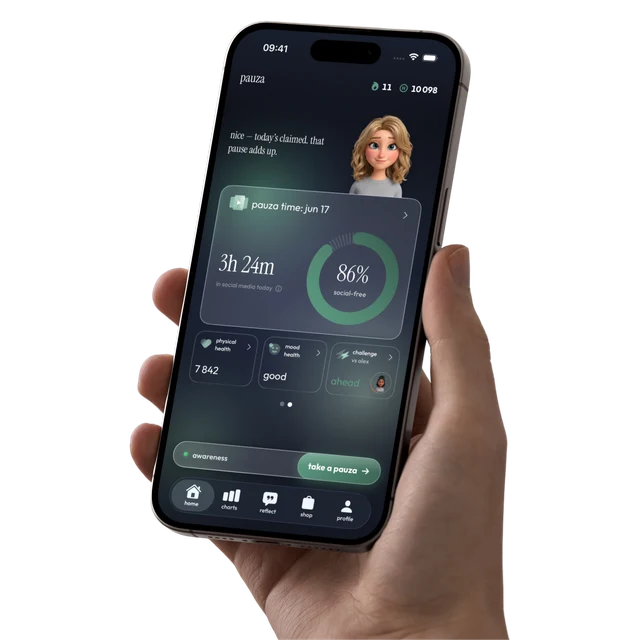
frequently asked questions
Is Opal free to use on iPhone?
Opal offers a limited free version with basic focus sessions, but most features—including strong blocking and advanced analytics—require a paid subscription.
What do you get with Opal's free version?
You can start basic focus sessions and try out app blocking, but you'll hit limits on session length, frequency, and access to detailed analytics.
How does Opal compare to Apple Screen Time?
Apple Screen Time is free and built into iOS, but its limits are easy to bypass. Opal provides stronger blocking and detailed analytics for a paid fee.
Are there any good free alternatives to Opal?
Yes. Apple Screen Time and ScreenZen both offer free blocking tools, though with fewer features and less enforcement than Opal.
Where does Pauza fit among screen time apps?
Pauza is best for people who prefer rewards and social competition for time off their phone, rather than strict blocking. It’s available for free with an optional PRO tier.
free tools
- screen time calculator — see what your daily hours add up to over a year
- average screen time statistics — how your usage compares to the latest data
- phone habit test — a 2-minute check of your phone habits
- Pauza vs Opal — a side-by-side look at two different approaches