screen time apps in 2026: how to pick the right one

Choosing the best screen time apps can feel overwhelming with so many options available in 2026. This list breaks down what really matters when deciding, from privacy to daily motivation. If you want to spend more time offline without hassle, these tips are for you.
The best screen time apps in 2026 are those that balance effective tracking, privacy protection, and practical motivation tools, helping users set boundaries and build healthier digital habits without intrusive monitoring or overcomplicated features.
key takeaways
- Choose apps that keep your personal usage data private and on-device.
- Look for features that genuinely motivate you to spend less time on your phone.
- Prioritize apps with clear, flexible controls that adapt to your real habits.
- Social or challenge features work best when they're optional and non-intrusive.
prioritize privacy and on-device data
Many screen time apps collect and store your personal usage data on their servers, which may put your privacy at risk. In 2026, look for options that keep your raw data securely on your iPhone, limiting exposure to third parties.
For example, Pauza stores your screen time stats directly on your device, so only you have access. Always review the privacy policy before you download.
To check an app’s data practices, visit its App Store page and look for the 'Data Not Collected' label or read the developer’s privacy section.
- Check the app’s privacy section in the App Store.
- Choose apps that don’t upload your detailed usage data.
look for real motivation, not just restrictions
Blocking apps or setting time limits can work short-term, but real change comes from ongoing motivation. The best screen time apps encourage you with rewards, progress tracking, or friendly competition, helping you stay consistent.
Pauza, for example, turns your time away from social media into tokens and streaks, and lets you compete with friends for the shortest screen time.
Try an app that offers positive reinforcement—like tokens or challenges—rather than only relying on hard blocks.
- Test the app’s motivation features for at least a week.
- Notice if rewards or streaks help you use your phone less.

choose flexible controls for different needs
Rigid time limits or blanket app blocks can backfire if your schedule changes. The best screen time apps in 2026 let you set custom limits for weekdays, weekends, or special occasions, and adjust quickly if needed.
iPhone’s built-in Screen Time allows you to set Downtime and App Limits by category or specific app. Third-party apps often offer even more detailed options.
Set aside five minutes to customize your app’s controls. Adjust them weekly based on what’s working for you.
- Use iPhone Settings > Screen Time > App Limits to test flexible controls.
- Adjust settings if you need more time for work or special events.
check for meaningful social features (if you want them)
Some people benefit from friendly competition or accountability, while others prefer to keep their habits private. The best screen time apps offer optional social features, like sharing streaks or competing in non-monetary challenges.
If you’re motivated by outside support, try an app that lets you invite a friend to a screen time challenge—lowest time wins, but nothing is at risk but pride.
Before joining, confirm that the app doesn’t require sharing your detailed activity or personal data with others.
review how the app visualizes your data
A clear, honest breakdown of your screen time makes it easier to spot patterns and set realistic goals. The best apps show your usage in simple charts, daily streaks, or category breakdowns instead of overwhelming you with numbers.
Aim for an app that helps you compare your habits week to week, not just day to day.
Open your app’s dashboard and check if you can quickly see your biggest time sinks. If not, consider trying an alternative.
verify that tokens and rewards are non-monetary
In 2026, digital wellbeing apps increasingly use token systems or points to reward progress. The best screen time apps make it clear that these rewards are for motivation only—they can’t be cashed out and don’t involve gambling.
Pauza, for example, uses tokens to track your streaks and friendly bets, but they have no cash value and are there only to help you build new habits.
Always read the app’s FAQ or help section to confirm that any in-app rewards are non-monetary and safe for all ages.
confirm compatibility with your device and ios version
Some screen time apps require the latest iOS updates or may only work with certain iPhone models. Before you commit, make sure your device is supported. For example, apps like Pauza require iOS 16 or later.
Check the app’s App Store listing for version requirements, and update your iPhone if needed in Settings > General > Software Update.
If your device is older, stick with built-in Screen Time or apps that still support your version.
test for minimal interruptions and battery impact
A good screen time app should quietly support your goals without draining your battery or bombarding you with notifications. Some apps run heavy background processes or send frequent alerts that add to distraction.
Install your chosen app for a few days, then check Settings > Battery to see its impact. Turn off non-essential notifications in Settings > Notifications.
If battery drain or interruptions are high, try an alternative with a lighter footprint.
match features to your daily routine
The best screen time apps fit smoothly into your life—whether you work late, study in bursts, or want to unplug on weekends. Look for features like scheduled downtime, focus modes, or gentle reminders tailored to your patterns.
Spend a week noting when you reach for your phone most. Use your chosen app to set up reminders or blocks for those specific times.
Adjust settings each Sunday to reflect any changes in your week ahead.
by the numbers
- People spend an average of 6 hours and 38 minutes online across all devices each day.— DataReportal, Digital 2025
Ready to take control of your screen habits? Try Pauza on your iPhone for a gentle, privacy-first approach to digital wellbeing.
Get Pauza on iPhone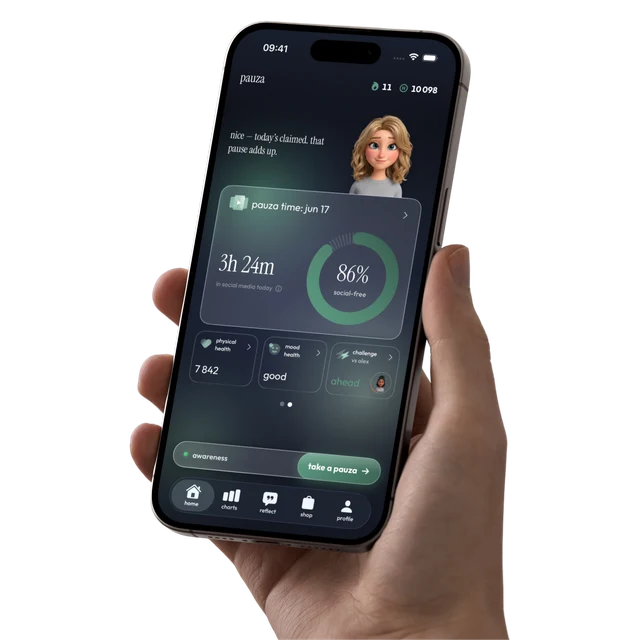
frequently asked questions
What makes a screen time app effective in 2026?
An effective screen time app offers clear privacy, meaningful motivation, flexible controls, and a design that fits your real-life habits. It should help you understand and adjust your usage without making you feel watched or restricted.
Can screen time apps really help me use my phone less?
Screen time apps provide tools and awareness, but lasting change also depends on your motivation and routine. Features like progress tracking, rewards, or friendly challenges can make it easier to build healthier habits.
Are screen time tokens or points considered gambling?
No. In reputable apps, tokens or points are non-monetary and cannot be exchanged for cash. They're designed to reward progress and encourage participation, not as a form of gambling.
Will a screen time app drain my iPhone’s battery?
Most modern screen time apps are designed to have minimal impact on battery life. You can check an app’s battery usage in Settings > Battery, and turn off unnecessary notifications to reduce drain.
Is my screen time data safe with these apps?
Look for apps that store your data on your device rather than uploading it to servers. Always read the privacy policy before installing, and use iPhone’s built-in privacy controls for extra protection.
free tools
- screen time calculator — see what your daily hours add up to over a year
- average screen time statistics — how your usage compares to the latest data
- phone habit test — a 2-minute check of your phone habits