the link between screen time and anxiety

Screen time and anxiety are linked, but the connection is complex. While some studies suggest that higher screen use—especially on social media—can increase anxiety, other factors matter too. Not everyone is affected the same way, and the quality of screen time is as important as the quantity.
Research suggests there is a link between screen time and anxiety, especially with heavy use of social media and entertainment apps. However, the relationship is influenced by factors like age, content, and personal habits, so not everyone experiences anxiety from increased screen time in the same way.
key takeaways
- Heavy screen use, especially social media, is linked to greater anxiety for some people.
- The quality and context of screen time matter as much as the quantity.
- Not everyone is equally affected—age, habits, and personality play a role.
- Small, practical changes can help manage screen time and reduce stress.
what is the link between screen time and anxiety?
The link between screen time and anxiety refers to the observed relationship where spending more hours on digital devices—especially on social media—may correlate with higher anxiety levels. This relationship has been studied most in teens and young adults. However, the nature of this connection is still debated, and not all types of screen use have the same effect.
Screen time can mean a variety of activities, from messaging friends to reading news or streaming videos. Some of these can be relaxing or social, while others may cause stress or worry. For instance, endless social feeds or constant notifications may be more likely to trigger anxiety than using your phone for navigation or reading.
Apps like Pauza have emerged to help users become more aware of their habits, letting people track and reflect on their time away from screens.
- Screen time includes all time spent on digital devices—phones, tablets, computers.
- Anxiety is a feeling of worry, nervousness, or unease.
- The link is strongest for social media and entertainment use.
how does screen time affect anxiety?
There are several ways that screen time may influence anxiety. Constant notifications, exposure to negative news, and social comparison on platforms can all heighten stress. Lack of offline downtime can also make it harder to relax and recharge.
Biologically, screens can disrupt sleep due to blue light exposure and late-night use. Poor sleep is a known driver of anxiety. Social factors, such as feeling left out or bullied online, also contribute.
However, not all screen time is harmful. Video calls with friends, educational apps, or calming games may have neutral or even positive effects.
- Notifications and interruptions can increase stress.
- Comparing yourself to others online may raise anxiety.
- Exposure to distressing news or content can worsen worry.
- Screens at night can disrupt sleep, fueling anxiety.

what does the evidence actually show?
The science on screen time and anxiety is still evolving. Many studies report a correlation between heavy social media use and higher anxiety, but it's not always clear if screen time causes anxiety or if anxious people use screens more.
For example, nearly half of U.S. teens (46%) say they are online almost constantly, according to Pew Research Center (2024). This rise in usage coincides with increasing reports of anxiety among young people, but many other factors are involved, such as school pressure and offline relationships.
Experts agree that moderation and mindful use are more important than strict time limits. Quality, context, and individual differences all matter. There is no universal 'safe' amount of screen time for anxiety.
- Correlation does not mean causation—other factors are involved.
- Social media use is most strongly linked to anxiety.
- Personal habits and life circumstances make a difference.
how to manage your screen time for better mental health
If you want to reduce anxiety related to screen time, start with small, practical changes. The goal is not necessarily zero screen time, but a healthier relationship with your devices.
Try tracking your daily use in your iPhone settings: Go to Settings > Screen Time. Set app limits for the platforms that make you feel most stressed. Use Downtime to schedule phone-free blocks—especially before bed.
Apps like Pauza can support these changes by encouraging you to spend more time off your phone and build healthier habits with friends.
- Track your screen time and notice patterns.
- Set limits on specific apps that trigger anxiety.
- Use phone-free times, especially before sleep.
- Turn off unnecessary notifications.
- Replace some screen time with offline activities you enjoy.
common misunderstandings about screen time and anxiety
A common myth is that all screen time is equally harmful. In reality, video chatting with friends or learning a new skill online does not have the same impact as doomscrolling through negative news.
Another misunderstanding is that reducing screen time alone will solve anxiety. While it can help, anxiety is influenced by many factors—social support, genetics, sleep, and more.
Finally, some believe only teens are affected. Adults can also experience anxiety linked to digital overload, though patterns may differ.
tools and next steps
To make lasting changes, use the built-in tools on your iPhone, such as Screen Time reports, app limits, and notification management. Experiment with setting boundaries and see how you feel.
You might also try wellbeing apps designed for this purpose. Pauza, for example, rewards you for time spent off your phone, lets you track streaks, and even set friendly challenges with others. It keeps your usage data on your device, supporting mindful digital habits without feeling restrictive.
Remember, small adjustments can add up. The aim is to create space for rest and connection—both online and offline.
by the numbers
- Nearly half of U.S. teens (46%) say they are online almost constantly — roughly double the share a decade ago.— Pew Research Center, 2024
Curious how your habits affect your mood? Try Pauza on your iPhone to experiment with healthier screen time and see what changes for you.
Get Pauza on iPhone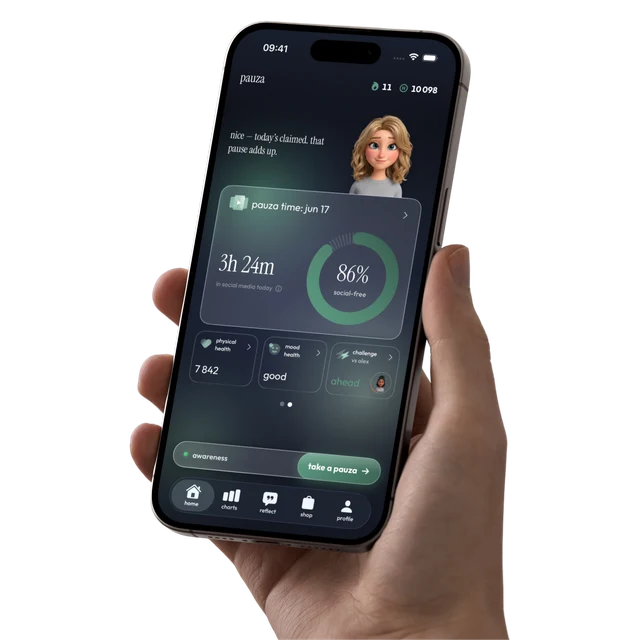
frequently asked questions
Does all screen time cause anxiety?
No, not all screen time is harmful. The content, context, and your personal habits matter. Social media and endless scrolling are more likely to increase anxiety than video calls or learning apps.
Is there a safe amount of screen time?
There is no single 'safe' number that fits everyone. Aim to notice how different types of screen use make you feel and adjust accordingly. Quality matters as much as quantity.
Can reducing screen time help with anxiety?
For some people, cutting back—especially on stressful or compulsive apps—can help reduce anxiety. However, it is only one piece of a broader approach to mental health.
How can I track or limit my screen time on iPhone?
Go to Settings > Screen Time on your iPhone to view usage reports, set app limits, and schedule Downtime. Consider using wellbeing apps for extra support.
Do adults experience anxiety from screen time too?
Yes, adults can also be affected by excessive screen time, especially if it disrupts sleep or increases stress. The patterns may look different but the principles are similar.
free tools
- screen time calculator — see what your daily hours add up to over a year
- average screen time statistics — how your usage compares to the latest data
- phone habit test — a 2-minute check of your phone habits