how to take a social media break that lasts

A lasting social media break means more than just deleting apps—it’s about changing your digital environment and habits. To make it stick, you need practical steps, honest expectations, and a plan for what comes next. Here’s how to unplug from social media in a way that truly lasts.
To take a social media break that lasts, set clear boundaries, remove or limit access to platforms on your devices, use built-in iPhone features to minimize temptation, and plan alternative activities. Consistency and self-awareness are key to breaking the cycle of habitual checking.
key takeaways
- A lasting social media break is about changing your environment, not just your intention.
- Built-in iPhone features can make it easier to avoid temptation.
- Replacing scrolling with meaningful activities helps keep you off social media.
- Tracking your progress can reinforce your decision to stay off.
why most social media breaks fail
Many people set out to take a social media break with good intentions, only to find themselves back online within days. The problem isn’t just lack of willpower—it’s that social media is designed to be habit-forming. Each platform uses notifications, infinite scroll, and algorithmic feeds to keep you coming back.
If you only delete the app without changing your environment or patterns, old habits quickly resurface. According to DataReportal, the average internet user spends 2 hours and 21 minutes on social media every day. That’s a powerful routine to break.
To succeed, you’ll need to go beyond intention and make concrete changes. This means rethinking both your digital setup and your day-to-day habits, so that temptation is minimized and new routines have space to take root.
- Social platforms trigger habitual use through design.
- Deleting apps alone rarely breaks the cycle.
- Changing your environment is essential for a lasting break.
set up your iphone for fewer temptations
Your iPhone offers several built-in tools to help reduce social media use. Start by moving all social apps into a single folder on the last Home Screen page, or better yet, remove them entirely. This extra step makes mindless tapping less automatic.
Use Screen Time (Settings > Screen Time) to set App Limits for social apps. For a stricter approach, enable Downtime and add only essential apps to the 'Always Allowed' list. Don’t forget to turn off notifications for apps you’re trying to avoid, as even a single badge can derail your efforts.
For more support, consider using an app like Pauza, which rewards you for time spent off social media and makes the process more engaging without focusing on blocking alone.
- Move all social apps to a folder or delete them.
- Go to Settings > Screen Time > App Limits and set daily limits (e.g., 10 minutes).
- Enable Downtime for evening hours in Settings > Screen Time > Downtime.
- Turn off notifications for all social apps in Settings > Notifications.

plan what you’ll do instead
One of the biggest reasons social media breaks don’t last is boredom. If you don’t have a plan for what you’ll do instead, you’ll likely slip back into scrolling when you have downtime. Before you start your break, make a short list of activities you genuinely enjoy or want to try.
These don’t need to be grand projects. Reading a few pages of a book, calling a friend, or going for a short walk can all fill the space social media once occupied. Even jotting down thoughts or doodling is a good substitute for idle scrolling.
If you tend to check social media in specific situations—like waiting in line or winding down at night—think ahead about alternatives you can access easily in those moments.
- Read or listen to an audiobook for 10 minutes.
- Cook a simple new recipe.
- Send a text or call someone you care about.
- Take a short walk or stretch break.
- Try a puzzle or brain game.
expect withdrawal—and know why it happens
It’s normal to feel restless or anxious during the first days of a social media break. Social platforms are built to create feedback loops that release dopamine, a brain chemical linked to reward. When you step away, your mind craves that lost stimulus.
Research shows nearly half of U.S. teens (46%) say they are online almost constantly—a reflection of how ingrained this habit is (Pew Research Center, 2024). Adults face similar pulls, especially when socializing, news, and entertainment are bundled into the same apps.
Recognizing that these feelings are a natural part of withdrawal can help you ride them out. Expect some discomfort, but know it will fade as your brain and habits adjust.
make your break visible and accountable
Letting others know you’re on a social media break can help reduce pressure to respond and increase your sense of accountability. You don’t have to make a big announcement—telling a few close friends or family is enough.
Some people find it helpful to set a clear goal, such as a one-week or one-month break, and mark the days on a calendar. You might also use an app like Pauza, which tracks your off-phone time and lets you challenge friends to see who can stay off social media the longest. Friendly competition or shared goals can make your break more rewarding.
If you do slip up, avoid harsh self-judgment. Instead, use it as a learning moment: What triggered the urge? How can you adjust your environment or habits to make it easier next time?
reintroduce social media mindfully—if at all
After a successful break, you might consider returning to social media in a more intentional way. Before reinstalling apps, take a moment to reflect: Did your time away improve your mood, focus, or relationships? Which platforms, if any, actually added value to your life?
If you choose to return, set clear new rules for yourself. This could mean checking platforms only on certain days, or limiting your usage to 10–15 minutes per session using Screen Time limits. You may find that some platforms are best left behind.
Remember, you can always repeat the break, or make it a regular habit. The skills and setup you used—like adjusting iPhone settings and using supportive tools—will make each future break easier.
- Reflect on what you gained from the break.
- Decide which (if any) platforms to reinstall.
- Set new Screen Time limits before logging back in.
- Review your notification settings to minimize distractions.
by the numbers
- The average internet user spends 2 hours and 21 minutes on social media every day.— DataReportal, Digital 2025
- Nearly half of U.S. teens (46%) say they are online almost constantly — roughly double the share a decade ago.— Pew Research Center, 2024
Ready to try a social media break? Download Pauza free on your iPhone to make your time away count, track your progress, and build healthier screen habits.
Get Pauza on iPhone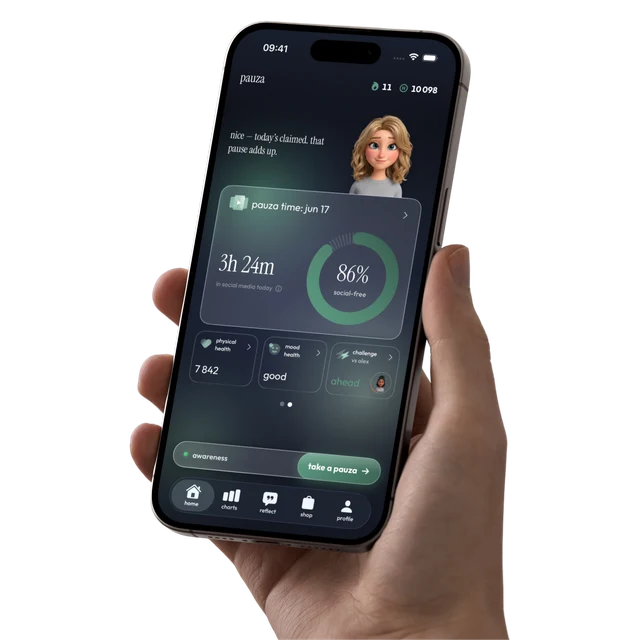
frequently asked questions
How long should a social media break be?
There’s no one-size-fits-all answer. Many people find a week or month helpful, but even a few days can reset your habits. Choose a timeframe that feels achievable and useful for you.
What if I need social media for work or school?
If you must use social media professionally, set strict boundaries on when and how you log in. Use separate devices or profiles if possible, and keep personal use to a minimum during your break.
Will I miss important updates while on a break?
You might miss some updates, but most urgent or important information will reach you through other channels like calls or texts. Let key contacts know how to reach you directly.
Are there risks to taking a break from social media?
For most people, taking a break is safe and beneficial. However, if social media is your main way to connect or access support, plan ahead for alternative ways to keep in touch.
How can I avoid replacing social media with other screen habits?
Be intentional about how you spend your freed-up time. Have a list of offline activities handy so you’re not just swapping scrolling for endless web browsing or gaming.
What if I keep slipping back into old habits?
Relapses are common. Treat each slip as information, not failure. Adjust your environment, try supportive tools, and remember that lasting change often takes multiple attempts.
free tools
- screen time calculator — see what your daily hours add up to over a year
- average screen time statistics — how your usage compares to the latest data
- phone habit test — a 2-minute check of your phone habits